
In the context of continuous upgrading of agricultural machinery operation and maintenance systems, welding and cutting tasks are gradually shifting from fixed workshops to fields and mobile repair scenarios. Agricultural equipment such as tractors, harvesters, and other machinery often develops structural cracks, metal fatigue, or component fractures after long-term high-intensity operation. These issues typically require high-temperature welding and rapid cutting for on-site repair. In this process, acetylene cylinders, with their high-temperature flame characteristics and strong mobility adaptability, have become a key energy source in agricultural machinery welding operations, providing stable support for efficient maintenance.
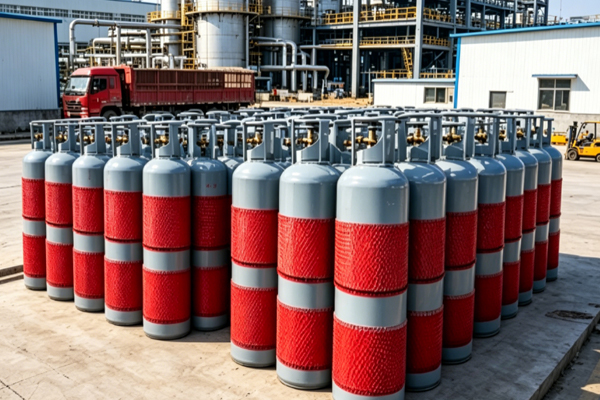
Core Role of Acetylene Cylinders in Agricultural Machinery Welding
In agricultural machinery welding applications, acetylene cylinders are mainly used to provide a high-temperature gas source. When combined with oxygen, they produce a high-temperature flame for cutting, welding, and heat treatment tasks, directly affecting repair efficiency and quality.
Providing High-Temperature Welding and Cutting Capability
Agricultural machinery structures are usually made of thick steel plates and high-strength metals, which cannot be efficiently processed with ordinary heat sources. Acetylene cylinders can generate flames reaching approximately 3100°C, making them suitable for high-intensity operations.
Common applications include:
- Welding repair of cracked agricultural machinery frames
- Cutting thick steel structures
- Reinforcement welding of load-bearing components
- Precision cutting of metal joints
These applications significantly improve on-site repair efficiency and reduce equipment downtime.
Supporting Mobile Welding in Complex Environments
Agricultural machinery maintenance often takes place in fields or remote areas, requiring high equipment mobility. Acetylene cylinders offer strong portability advantages.
Key benefits include:
- Suitable for mobile field repairs
- No fixed gas supply system required
- Quick deployment and setup
- Adaptable to various agricultural environments
Typical Application Scenarios in Agricultural Machinery Welding
Acetylene cylinders are not only used for basic welding but are also widely applied in emergency repair, structural processing, and equipment modification.
Emergency Structural Repair for Agricultural Machinery
During peak farming seasons, equipment breakdowns must be repaired quickly to avoid production delays.
Applications include:
- Rapid crack repair of harvesters
- Welding repair of tractor chassis fractures
- Reinforcement of conveyor system brackets
- Temporary structural restoration
Cutting and Disassembly Operations
During maintenance and disassembly, heavily rusted or seized components are common and difficult to remove mechanically.
Applications include:
- Thermal cutting removal of rusted bolts
- Disassembly of scrapped structural parts
- Separation of seized connections
- Cutting deformed metal structures
Agricultural Machinery Modification and Optimization
With increasingly diversified agricultural needs, machinery often requires functional upgrades and structural modifications.
Applications include:
- Structural welding adjustments
- Installation of auxiliary devices
- Reinforcement of agricultural tools
- Custom fabrication of non-standard parts
Comparative Analysis of Gas Solutions
In agricultural machinery maintenance, different gas solutions vary significantly in performance, cost, and applicability.
| Item | Acetylene Cylinder | Propane Cylinder | Electric Heating |
| Flame Temperature | ~3100°C | ~1900°C | Varies |
| Cutting Ability | Strong, suitable for thick steel | Limited | None |
| Welding Depth | Deep, structural strength | Moderate | Medium |
| Mobility | High | High | Requires power supply |
| Application Scope | Heavy-duty repair | Light heating | Fixed workshops |
This comparison shows that acetylene cylinders have a clear advantage in heavy-duty welding and cutting tasks, especially in agricultural machinery repair.
Safety Usage and Management Guidelines for Acetylene Cylinders
In agricultural machinery welding operations, acetylene cylinders are high-risk pressure equipment and must be used under strict safety standards.
Pre-Operation Safety Inspection
Before use, a full system check is required.
Inspection includes:
- Cylinder valve sealing condition
- Proper operation of pressure regulators
- Condition of gas hoses
- Tightness of all connections
Safety Control During Operation
During welding, flame and environment must be strictly controlled.
Key requirements include:
- Maintain good ventilation
- Avoid open flame interference
- Control flame intensity
- Keep safe distance during operation
Post-Operation Handling
After use, proper shutdown procedures are required.
Steps include:
- Close cylinder valve
- Release residual gas
- Check for leaks
- Store after cooling
Application Value and Industry Trends
With the continued scaling and intensification of agricultural machinery, on-site maintenance requirements are increasing, making acetylene cylinder applications more valuable.
Key advantages include:
- Improved field repair efficiency
- Reduced equipment downtime
- Enhanced emergency response capability
- Multi-scenario welding support
In the future, as agricultural service systems continue to improve, high-performance gas welding equipment will become a key component of mobile maintenance infrastructure.
As agricultural machinery welding operations continue to evolve, acetylene cylinders, with their high-temperature performance and flexible applicability, are becoming essential tools in field repair systems, providing strong support for stable agricultural production. Zhongcheng Gas Cylinde specializes in providing safe and reliable gas solutions for agricultural machinery and industrial welding applications.