
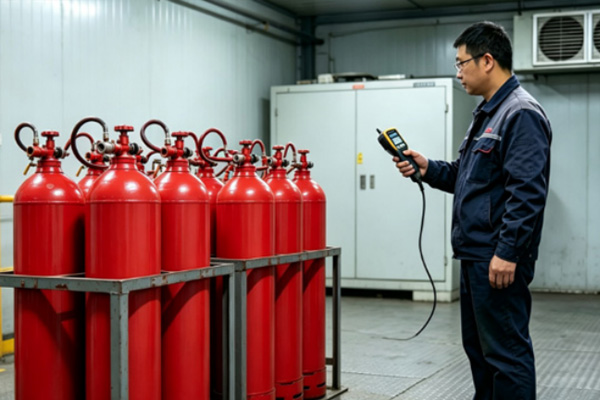
In waste recycling operations such as scrap dismantling, metal cutting, equipment recovery, and structural demolition, dependence on thermal cutting equipment is very high. Acetylene equipment, with its high flame temperature, fast cutting efficiency, and broad application range, has become an important setup in recycling yards, dismantling sites, and recycled resource processing facilities. Faced with complex working environments, frequently moving workstations, and high safety requirements, relying on traditional experience alone is no longer enough to meet practical needs. A more systematic acetylene equipment solution is helping enterprises improve cutting efficiency, reduce management risks, and promote standardized on-site operations.
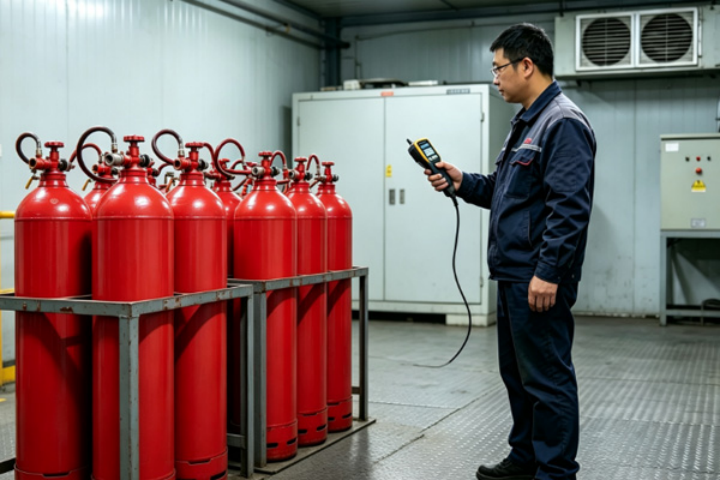
Why the Waste Recycling Industry Needs Acetylene Equipment
The role of acetylene equipment in the waste recycling industry goes far beyond providing heat; it is also closely tied to dismantling efficiency and on-site organization.
Suitable for High-Intensity Metal Cutting
Scrap steel, thick plates, steel structures, and large equipment shells often require high-temperature flames for rapid separation. Acetylene flames are concentrated, high-temperature, and release heat quickly, allowing cutting tasks to be completed in a shorter time.
- Steel structure cutting is faster, reducing the time spent on repeated heating when dealing with heavy components.
- Thick metal dismantling is less labor-intensive, significantly lowering manual operating intensity when handling large scrap materials.
- Complex component processing is more flexible, with strong adaptability to irregular parts, welded assemblies, and locally joined sections.
The high-temperature characteristics of acetylene flames give them a clear advantage in waste metal processing.
Adaptable to Mobile Work Environments
Worksites in the waste recycling industry are usually not fixed. Equipment must have strong mobility to adapt to changes in different sites, different batches, and different dismantling tasks.
- Temporary dismantling points change frequently, so equipment must be easy to transport and redeploy.
- On-site layouts are inconsistent, and different recycling locations often lack fixed work channels and standardized stations.
- Fixed gas supply networks cannot be relied upon, making mobile gas supply solutions more suitable for actual use scenarios.
This flexibility makes acetylene equipment easier to implement in the recycling industry.
Improve Waste Metal Processing Efficiency
In scrap recycling and equipment dismantling, time is cost. Cutting efficiency directly affects the processing speed of each batch of materials and the site’s turnover capacity.
- Shorten cutting preparation time so workers can enter formal operations more quickly.
- Reduce repeated manual actions and lower time loss caused by tool switching.
- Increase batch processing speed so recycling stations can complete more tasks in shorter cycles.
Efficient cutting capability often determines the overall production capacity of a recycling station.
Core Components of an Acetylene Equipment Solution
A complete acetylene equipment solution is not just a simple combination of gas cylinders and torches. It is composed of multiple functional modules that work together to ensure stable operation.
Gas Source and Supply Module
Stable gas supply is the foundation of the entire system. Any fluctuation in supply will directly affect cutting performance and operational continuity.
- Acetylene cylinders or supply devices handle the basic gas output task and determine whether the system can provide continuous gas supply.
- Pressure-reducing and stabilizing equipment controls output pressure so the flame remains within a manageable range.
- Gas pipelines and connectors handle transmission, ensuring that gas does not suffer obvious loss during delivery.
These components together determine whether gas supply is continuous and whether pressure remains stable.
Safety Protection Module
Acetylene is a high-risk flammable gas. Safety components are especially important in waste recycling environments, where conditions are complex and personnel movement is frequent. Flashback arrestors can block flame return, safety valves can release abnormal pressure in time, and anti-leak connectors help reduce gas escape at connection points. The more complete the safety module, the more stable the system operation and the easier on-site management becomes.
Operation Execution Module
The execution module directly affects cutting and welding results. It is the terminal part where acetylene equipment truly performs its function.
- Dual-purpose welding and cutting torches can meet different process requirements, allowing flexible switching between cutting and welding.
- Oxygen support systems work together with the acetylene system to determine flame intensity and cutting quality.
- Movable stands or carts make it easier to transfer equipment between different workstations, improving on-site mobility.
Proper configuration of the execution module helps improve on-site operating efficiency.
Different Configuration Plans and Site Adaptation
The scale of operations in the waste recycling industry varies greatly, so acetylene equipment solutions must be matched to the scenario in order to truly deliver value.
| Configuration Type | Suitable Scenario | Main Advantages | Main Limitations |
| Basic Mobile Type | Small recycling points | Flexible, quick to deploy | Average gas supply continuity |
| Standard Industrial Type | Medium recycling stations | Stable, practical | Moderate mobility |
| Centralized Supply Type | Large processing plants | High efficiency, centralized management | Higher initial investment |
| Modular Combination Type | Multi-station operations | Strong scalability, broad adaptability | Higher management requirements |
Small Recycling Points Value Flexibility More
Small sites usually have limited workloads, but workstation changes are frequent. Equipment must balance portability and basic safety to meet temporary task requirements.
- Equipment is easy to carry and can be quickly moved between different locations.
- Installation is simple, reducing preparation time and operational complexity on site.
- Suitable for temporary cutting tasks, handling scattered scrap and short-term dismantling needs.
Such scenarios are better suited to flexible, lightweight, and highly safe acetylene equipment configurations.
Medium and Large Sites Value Continuity More
Medium recycling stations and large processing plants place greater emphasis on stable gas supply and batch processing capacity. Equipment must not only function properly but also operate stably for long periods, reduce interruptions caused by frequent gas replacement, support continuous dismantling and centralized cutting tasks, and facilitate unified on-site management, scheduling, and inspection. These sites are better suited to industrial scenarios that balance efficiency and safety.
Multi-Scenario Operations Are Better Suited to Modular Solutions
Some enterprises handle dismantling, cutting, and recycling tasks at the same time. Equipment therefore needs stronger adaptability to switch quickly between different workstations. This configuration can be flexibly combined according to site needs, making later expansion easier while reducing duplicate purchases. It is also more economical and better suited to waste recycling scenarios with multiple tasks running in parallel.
Common Problems and Optimization Directions
In actual use, many problems are not caused by the equipment itself, but by poor management and improper configuration, which prevent the equipment’s advantages from being fully realized.
Disorganized Equipment Placement
Messy recycling sites can affect equipment safety, especially in environments with lots of metal debris and narrow passages.
- Gas cylinders are placed randomly, making them more vulnerable to impact or tipping.
- Crossed and tangled pipelines increase the risk of tripping and pulling during operation.
- Occupied work channels affect personnel movement and emergency evacuation.
This situation increases the risk of collision and leakage and also reduces on-site operating efficiency.
Insufficient Safety Awareness
Some sites do not fully recognize the dangers of acetylene equipment, leading to incomplete implementation of protective measures and long-term hidden risks.
- Protective devices are not fully installed, leaving the system without necessary safety barriers.
- Leak checks are treated as a formality, and many minor issues are not discovered in time.
- Operators receive insufficient training, making misuse and violations more likely.
When safety management is inadequate, hidden risks continue to accumulate. In environments where high temperature, sparks, and metal debris coexist, any negligence can magnify the risk of accidents.
Equipment Does Not Match the Scenario
Different sites have different equipment requirements. Improper selection affects performance and increases maintenance pressure later on.
- Unreasonable pipeline length may cause pressure loss and operational inconvenience.
- Inconsistent torch specifications can affect flame stability and cutting precision.
- Mismatch between gas supply capacity and load can lead to insufficient supply or wasted resources.
When the configuration is unsuitable, equipment efficiency drops significantly and may also cause unstable gas supply, poor operation, and increased safety risks, directly affecting overall work results.
Key Directions for Optimizing the Acetylene Equipment Solution
To make acetylene equipment truly serve the waste recycling industry, the focus should not be on a single device but on the overall solution design. Only a systematic approach can create long-term value.
- Promote standardized configurations by unifying cylinder specifications, equipping complete safety components, and establishing standard operating procedures.
- Strengthen modular design so equipment can switch quickly between different tasks, making disassembly and assembly easier and reducing transfer time.
- Build a safety management system with regular inspections, personnel training, and risk records to form a closed-loop management process.
- Improve the overall industry value so enterprises benefit simultaneously in efficiency, safety, and cost control.
Only by optimizing equipment, processes, and management together can the acetylene solution truly become a stable and efficient support for the waste recycling industry.
The core of acetylene equipment solutions for the waste recycling industry lies in finding the right balance between safety, mobility, and efficiency. Through standardized configuration, modular design, and regulated management, enterprises can complete scrap dismantling and metal cutting tasks more efficiently while reducing on-site risks and improving overall operational capability. As the recycled resources industry continues to upgrade, professional acetylene systems have become an important foundation for enhancing competitiveness. Zhongcheng Gas Tank provides professional acetylene equipment and integrated industrial gas solutions to help enterprises build a more efficient and safer operating system.