
In the daily operation of scrap recycling stations, a large amount of scrap steel, decommissioned equipment, and metal components require centralized dismantling and cutting processing. The high-frequency working environment places higher demands on the gas supply system. Traditional acetylene cylinder supply methods gradually show limitations in continuity, management efficiency, and on-site scheduling. In contrast, an acetylene gas supply system can provide more stable industrial gas support, keeping cutting operations in a continuous working state and reducing interruptions caused by frequent gas source replacement. For recycling enterprises aiming to improve processing capacity and on-site management levels, properly configuring an acetylene gas supply system has become an important part of enhancing overall operational efficiency.
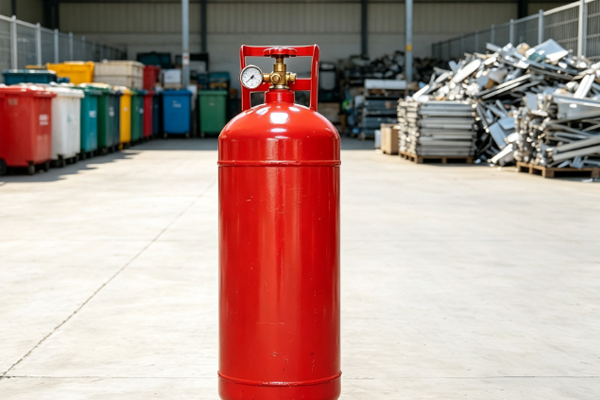
Why Scrap Recycling Stations Need an Acetylene Gas Supply System
In metal recycling and dismantling processes, cutting operations run through the entire production workflow, and gas supply stability directly affects overall efficiency and operational rhythm.
Meeting High-Intensity Cutting Operation Requirements
Scrap recycling stations handle large volumes of metal processing with frequent cutting operations, requiring high gas supply stability.
- Supports long-term continuous cutting, reduces downtime, and ensures operational continuity.
- Adapts to multi-station simultaneous operations, improving overall processing efficiency.
- Provides stable flame output, enhancing thick-material cutting efficiency and quality.
Stable gas supply ensures continuous equipment operation, allowing recycling stations to maintain stable productivity even under high-load conditions.
Optimizing On-Site Management Structure
The traditional acetylene cylinder model consumes significant manpower in transportation, storage, and replacement, while also increasing on-site management complexity. A centralized gas supply system reduces handling frequency, lowers labor intensity, and improves overall operational efficiency. A unified supply system reduces cylinder stacking, making better use of available space and creating a clearer management workflow. The working area becomes more organized and safer, reducing risks caused by scattered cylinder storage and improving overall site standardization.
Core Structure of the Acetylene Gas Supply System
A complete gas supply system consists of multiple modules working together to form a stable and reliable gas supply solution.
Main System Components
In practical engineering applications, the coordinated operation of each module is essential to ensure the long-term stable operation of the system.
| Module | Function | Key Configuration Focus |
| Gas Storage Unit | Provides basic gas supply capacity | Capacity matched to operation scale |
| Pressure Regulation Device | Ensures stable output | Controls pressure fluctuations |
| Pipeline Distribution System | Gas transmission | Optimized layout to reduce loss |
| Safety Monitoring System | Ensures operational safety | Alarm and monitoring functions |
| Maintenance Management Module | Extends equipment lifespan | Establish inspection routines |
The overall system design emphasizes both stability and safety, making the gas supply process more controllable.
Gas Storage and Supply Capacity Design
The storage unit determines continuous supply capability and emergency support level.
- Storage capacity is determined based on the number of cutting stations and operation frequency to match production rhythm and avoid gas shortages.
- Equipment selection is based on daily processing volume and peak gas consumption to meet both routine and high-intensity operation needs.
- Expansion space is reserved to accommodate future capacity growth and system upgrades.
Proper configuration avoids resource waste and ensures more economical and efficient system operation.
Function of Pressure Regulation and Buffer System
Cutting operations are sensitive to pressure fluctuations, and stable output directly affects flame quality.
- Buffer devices balance instantaneous gas demand peaks and reduce pressure fluctuations during multi-station startup.
- Pressure regulation systems continuously adjust output pressure, improving flame stability and cutting precision.
- Reduces equipment wear caused by unstable pressure, improving operational reliability.
A stable pressure environment helps improve operational quality and extend equipment lifespan.
Pipeline Network Design Key Points
The pipeline system determines gas transmission efficiency and overall safety level. It is a critical foundation of system operation. Corrosion-resistant and high-strength materials are used to extend service life, ensuring stable performance under long-term high-frequency use. Optimized routing reduces bends and unnecessary branches, lowering pressure loss and improving gas transmission efficiency. Shortened delivery distance to key working areas improves gas response speed, ensuring cutting continuity and stability. Proper layout significantly enhances overall gas supply efficiency.
Key Considerations for Acetylene System Configuration in Scrap Recycling Stations
Different scales and operation modes require different system configurations, which must be planned based on actual conditions.
Overall Planning Based on Site Scale
Site scale determines system complexity and gas supply capacity configuration.
- Small stations are suitable for basic gas supply setups, focusing on cost-effectiveness and daily cutting needs.
- Medium and large recycling stations are suitable for centralized gas supply systems, improving efficiency and reducing costs through unified management.
- High-load operations are recommended to include backup systems to handle peak demand and ensure production continuity.
Scientific planning reduces redundant investment and improves capital efficiency.
Matching Gas Supply Capacity with Equipment Quantity
The number of cutting machines directly affects gas consumption speed and system load.
- Count simultaneous working stations to determine actual gas usage structure and distribution.
- Calculate peak gas demand to ensure stable output under high-intensity operations.
- Reserve safety redundancy capacity to maintain stable supply during sudden demand increases.
Accurate matching improves system efficiency and reduces failure risks.
Strengthening Daily Maintenance and Management Mechanisms
Long-term stable operation depends on standardized management systems and continuous maintenance.
- Regularly inspect key equipment to identify and resolve potential issues early.
- Establish operation logs and inspection systems for traceable equipment status and management optimization.
- Adjust parameters promptly when pressure fluctuations or unstable supply occur to ensure operational safety.
A strong maintenance system significantly reduces failure rates and extends equipment lifespan.
Practical Value of the Acetylene Gas Supply System
This system not only solves gas supply issues but also enhances overall operational capability.
Improving Cutting and Dismantling Efficiency
Stable gas supply ensures smoother workflows and reduces interruptions and waiting time.
- Reduces downtime caused by gas replacement or insufficient supply, maintaining continuous cutting operations.
- Increases metal processing volume per unit time, significantly improving dismantling efficiency.
- Accelerates overall workflow, enabling enterprises to handle more orders and improve capacity utilization.
Efficiency improvement directly enhances market competitiveness.
Reducing Overall Operating Costs
Centralized gas supply offers clear long-term cost advantages.
- Reduces cylinder transportation and handling costs, lowering logistics and labor expenses.
- Simplifies on-site management, reducing personnel input and time costs.
- Improves gas utilization efficiency, reducing waste and optimizing resource usage.
A more optimized cost structure helps improve profitability.
Supporting Scalable Business Development
The system has strong scalability to support long-term enterprise growth.
- Supports future capacity expansion, allowing system upgrades alongside business growth.
- Adapts to additional working stations, meeting multi-area production requirements.
- Meets centralized gas supply needs for large projects, improving project handling capability.
It provides stable infrastructure support for long-term development.
As scrap recycling stations move toward higher efficiency and large-scale development, a stable and reliable acetylene gas supply system has become a key infrastructure component. Through scientific configuration and systematic management, it not only improves cutting efficiency but also optimizes site structure and reduces operating costs, making production smoother and more efficient. Zhongcheng Gas Tank specializes in industrial acetylene gas supply systems and gas supply equipment solutions, providing stable and reliable gas support for the recycling industry.