
In waste recycling stations and scrap metal processing sites, large volumes of mixed metals, steel structures, and decommissioned equipment require centralized dismantling and cutting. These operations are characterized by high frequency, heavy workload, and continuous execution, placing higher demands on acetylene gas supply systems. Traditional decentralized acetylene tank supply methods often lead to unstable gas delivery, frequent cylinder replacement, and disorganized on-site management, making them insufficient for modern recycling station production needs. The integrated acetylene tank solution provides continuous and stable energy support for cutting operations through centralized gas supply and systematic management, enabling more efficient, safer, and controllable site operations while reducing long-term operating costs.
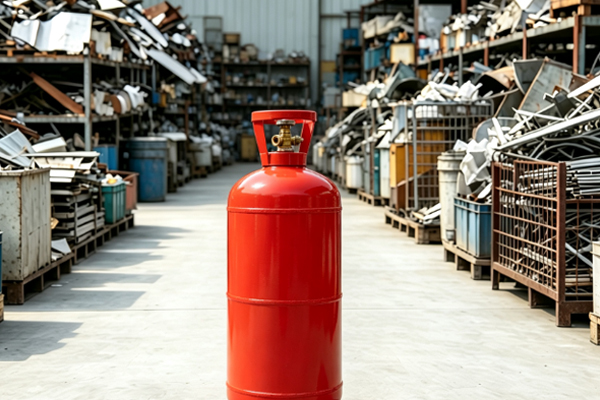
Why Waste Recycling Stations Need an Integrated Acetylene Tank Solution
In the process of scrap metal dismantling and recycling, cutting operations run through the entire production chain, and the stability of the gas supply system directly affects overall processing efficiency and operational rhythm.
Meeting High-Frequency Metal Cutting Demands
Waste recycling stations process large volumes of metal materials of various specifications every day. Cutting tasks are dense and continuous. During centralized dismantling of steel structures, decommissioned equipment, and large metal components, flame cutting continuity is highly required.
- Supports long-term continuous operation with stable gas supply and reduced downtime.
- Adapts to multi-station simultaneous cutting, improving overall processing capacity.
- Stable flame output ensures cutting depth and cut quality.
Stable gas supply enables recycling stations to maintain high output even under heavy workloads.
Adapting to Complex and Variable Working Environments
Recycling sites are usually spatially dispersed with diverse working areas. Metal storage zones, dismantling areas, and temporary cutting points are interwoven, requiring high flexibility and coverage capability of the gas supply system.
- Covers indoor and outdoor multi-area operations, ensuring stable gas delivery and reducing equipment movement frequency.
- Supports handheld cutting torches and semi-automatic cutting equipment under various working conditions.
- Enables rapid connection at temporary work points, improving on-site response speed.
The integrated system maintains efficient and stable operation even in complex environments.
Core Structure of the Acetylene Tank Integrated System
A complete acetylene tank solution consists of multiple functional modules that work together to form a standardized industrial gas supply system.
Main System Components
Each module jointly builds a stable and safe gas supply system, ensuring continuous energy support for cutting operations across the recycling station.
| Module | Function | Operating Feature |
| Storage & Supply Unit | Provides continuous gas source | Stable output |
| Pressure Regulation System | Controls gas pressure | Prevents fluctuations |
| Pipeline Distribution System | Gas transmission and distribution | Multi-station coverage |
| Safety Monitoring Device | Real-time system monitoring | Early warning protection |
| Management Control System | Operational scheduling | Efficiency improvement |
The clear system structure supports standardized management and reduces manual intervention frequency.
Gas Storage Capacity and Supply Design
Storage capacity determines the system’s continuous gas supply level during peak operations.
- Configure storage scale based on daily metal processing volume and cutting frequency.
- Design capacity according to peak gas consumption to ensure stable operation during intensive dismantling tasks.
- Reserve expansion space to meet future production growth needs.
Proper design prevents gas shortages and reduces resource waste.
Pressure Stabilization and Safety Control System
Stable pressure output is critical for cutting quality and equipment safety.
- Buffer devices absorb instantaneous gas demand shocks and reduce pressure fluctuations.
- Pressure stabilization system continuously adjusts output pressure to maintain flame stability.
- Safety devices monitor abnormal conditions in real time and trigger protection mechanisms.
The system operates more smoothly and reliably while reducing equipment wear.
Pipeline Network Layout Optimization
As the core channel for gas transmission, the pipeline system design directly affects supply efficiency and safety. A high-pressure and corrosion-resistant pipeline system is adopted, with optimized transmission routes to reduce bends and pressure loss. Key high-frequency operation areas are prioritized in layout planning, enabling critical cutting points to quickly access stable gas supply, thereby improving overall efficiency and operational safety.
Key Considerations for Configuring Acetylene Tank Systems in Recycling Stations
Recycling stations of different scales require tailored system configurations based on site conditions.
System Design Based on Site Scale
Site scale affects system structure and coverage range, requiring targeted design.
- Small stations are suitable for basic gas supply configurations to meet limited cutting stations.
- Medium stations benefit from centralized gas supply systems to improve management efficiency and operational continuity.
- Large stations require multi-area coordinated gas supply for simultaneous multi-station operation.
Proper planning reduces future modification costs and improves system adaptability.
Matching Gas Supply Capacity with Equipment Quantity
The number and usage frequency of cutting equipment directly affect gas consumption and serve as a key design factor.
- Count simultaneously operating stations to define gas demand.
- Calculate peak consumption based on daily and peak conditions to avoid insufficient supply.
- Reserve safety redundancy capacity to handle sudden high-load operations.
This ensures stable system operation under heavy workloads.
Establishing a Standardized Maintenance System
Long-term stable operation depends on a complete management and maintenance system.
- Regularly inspect system pressure, pipeline sealing, and safety device status.
- Establish inspection records for traceable operational data.
- Adjust abnormal parameters promptly to prevent fault escalation.
Standardized management reduces failure rates and extends equipment lifespan.
Practical Value of the Acetylene Tank Integrated Solution
Through unified gas supply and centralized management, operational continuity and safety are significantly improved.
Improving Cutting Efficiency
Stable gas supply ensures smoother cutting processes and reduces interruptions and waiting time.
- Significantly reduces downtime, maintaining continuous cutting operations.
- Increases metal processing capacity per unit time, enhancing overall output.
- Accelerates scrap dismantling, making recycling workflows more efficient and compact.
Overall production efficiency is significantly improved.
Reducing Long-Term Operating Costs
The centralized gas supply model offers clear economic advantages in long-term operation. It reduces labor and transportation costs associated with cylinder handling, storage, and replacement, simplifies on-site management, improves gas utilization efficiency, and minimizes waste. This results in a more optimized cost structure and more stable long-term returns.
Supporting Scalable Development Needs
The system offers strong scalability to support continuous business growth.
- Supports future capacity expansion and equipment addition.
- Adapts flexibly to new operational areas and production lines.
- Meets gas supply demands for large-scale projects and centralized dismantling tasks.
It provides a stable foundation for long-term enterprise development.
As waste recycling stations move toward higher efficiency and large-scale development, the integrated acetylene tank solution has become a critical infrastructure component. Through systematic gas supply and scientific management, it not only improves cutting efficiency but also optimizes site structure and reduces operating costs, making overall operations more stable and efficient. Zhongcheng Gas Tank specializes in industrial acetylene supply systems and integrated solutions, providing safe and reliable gas support for the recycling industry.