
Hand metalworking may not look as complicated as large-scale factory production, but it still requires reliable tools and a suitable gas supply. Metal repairs, hardware fabrication, steel cutting, welding, and equipment maintenance often require workers to handle materials directly on site. In the Hardware Industry, small workshops, repair shops, and independent metalworkers usually need equipment that is flexible and easy to manage. An acetylene cylinder can provide a suitable gas source for welding, cutting, and heating applications. During actual use, it should be paired with a compatible regulator, hose, and welding or cutting equipment, with operation carried out according to equipment instructions and local safety requirements.
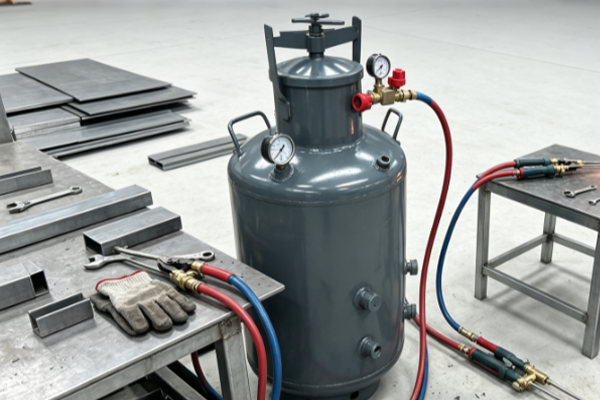
Why Do Hand Metalworkers Need Acetylene Cylinders?
One of the biggest characteristics of hand metalworking is that the jobs can vary considerably. A workshop may spend the morning repairing a metal bracket and the afternoon cutting steel plates, while an unexpected equipment repair request can come in at any time. Unlike automated production lines, this type of work relies heavily on manual skills and the ability to deal with problems on site.
A suitable acetylene cylinder can provide gas support for welding, cutting, and certain heating tasks, giving workers more flexibility when dealing with different metal components. For small businesses in the Hardware Industry, the equipment does not need to be overly complicated, but it should be practical, compatible, and easy to manage.
Suitable for Small-Batch Metalworking
Hand processing rarely involves exactly the same specifications every time. Many orders involve small quantities and different types of components, so workers often need to adjust their processing methods according to the actual workpiece.
- Cutting steel plates, steel pipes, and similar materials.
- Repairing and restoring metal components.
- Making on-site adjustments to certain structural parts.
This type of work requires flexible equipment. An acetylene cylinder can work with suitable welding and cutting equipment to handle these tasks.
Making On-Site Repairs Easier
When a metal component develops a crack, breaks, or does not fit correctly, sending it back to a large processing facility can take considerable time. For repair workshops, being able to carry out suitable welding or cutting work on site can make the job much easier.
However, it is not enough to simply ask whether the equipment can produce a flame. The cylinder, pressure, and accessories must all be compatible. Acetylene cylinders should be used with dedicated, compatible regulators and connection components rather than improvised combinations.
How Should an Acetylene Cylinder Be Configured for Hand Metalworking?
Many buyers focus mainly on the question of cylinder size. In practice, a useful gas supply setup depends on much more than capacity. The worker’s operating frequency, welding and cutting equipment, workshop space, and daily handling conditions all need to be considered. A cylinder used occasionally for repairs will have different requirements from one used every day for continuous metal cutting. Planning the cylinder, regulator, hose, and welding equipment together can prevent many unnecessary problems later.
Choose Equipment Based on Actual Workload
A small hardware workshop that only handles occasional repairs does not necessarily need to focus on the largest available cylinder. A workshop with frequent metalworking tasks should pay more attention to gas consumption and replacement arrangements.
- Occasional repairs: Focus on convenient operation and easy management.
- Daily processing: Pay attention to gas consumption and supply planning.
- Mobile repair work: Consider transportation, cylinder securing, and on-site storage conditions.
The key is selecting a configuration that matches the actual workload rather than simply choosing the largest cylinder available.
Questions Worth Asking Before Purchasing
For purchasing teams in the Hardware Industry, these practical questions are often more useful than simply comparing prices:
| Question Buyers Often Ask | What Should Be Confirmed? | Why It Matters |
| Is the regulator compatible? | Whether it is designed for acetylene and the intended equipment | Helps prevent pressure or connection problems |
| How long will one cylinder last? | Actual gas consumption and working frequency | Makes backup gas planning easier |
| Can the hose be connected directly? | Connection specifications and compatibility | Reduces the chance of buying additional parts later |
| Where should the cylinder be stored? | Storage area, ventilation, and required safety clearances | Makes daily management easier |
| Does the cylinder need frequent movement? | Cylinder weight and handling conditions | Helps determine suitable handling equipment |
These are simple questions, but they can save a lot of trouble. Confirming them before purchasing is much better than discovering after delivery that the equipment does not fit the workshop’s actual setup.
What Should Be Considered When Using Acetylene Cylinders for Hand Cutting and Welding?
The flexibility of hand metalworking is a major advantage, but familiarity with the equipment should not replace basic safety checks. Acetylene is a highly flammable gas, so cylinders, valves, regulators, and hoses all require careful handling. Spending a few minutes checking the equipment before starting work is far better than discovering a problem halfway through a job.
Check the Cylinder and Accessories Before Starting
Before use, inspect the cylinder, valve, regulator, hose, and connection points. If there is visible damage, an abnormal condition, or a suspected leak, stop using the equipment and follow appropriate professional safety procedures.
Do Not Adjust Pressure Based on Guesswork
Different welding and cutting equipment has specific operating pressure requirements. Increasing the pressure simply because a larger flame appears faster is not a safe approach. Settings should follow the equipment manufacturer’s instructions and applicable safety requirements.
Proper Workshop Storage Also Matters
Acetylene cylinders should be stored upright and secured in accordance with local regulations. They should be kept away from heat sources, sparks, and other hazardous conditions. For convenience, cylinders should never simply be placed next to an active welding area.
How Can Acetylene Cylinders Work Better for Different Hand-Metalworking Jobs?
The work handled by a hardware workshop can change from one day to the next, so equipment usage may need to change as well. For jobs performed at a fixed workstation, the main concerns are gas connections and daily operation. For mobile repair work, transportation and on-site storage become more important. Small-batch metal fabrication also requires attention to working frequency and gas consumption.
There is no need to make every setup unnecessarily complicated. Start by identifying the most common jobs and then select equipment around those needs.
For a fixed workshop, a dedicated cylinder storage area can be planned, with gas lines arranged clearly to reduce unnecessary movement. Workers who regularly travel for repairs should pay close attention to compliant transportation, securing, and on-site operating conditions. Workshops that perform cutting and welding every day can also plan backup gas supplies based on actual consumption, reducing the chance of running out of gas in the middle of an urgent order.
How Can Acetylene Cylinders Be Made More Practical for Daily Metalworking?
A useful acetylene gas supply setup does not stop being important after the equipment arrives. A simple inspection before starting work and another quick check after finishing can help identify small problems early. During use, cylinders should be protected from impacts, rolling, and excessive heat. Related accessories should also be kept clean, and acetylene equipment must not come into contact with oil or grease that is incompatible with the equipment.
For businesses involved in hand metalworking within the Hardware Industry, the value of an acetylene cylinder lies in its ability to support the actual working rhythm of the shop and provide a suitable gas source for cutting, welding, and repair tasks. Considering the cylinder size, regulator, hose, and welding equipment together makes the setup easier to use. Regular inspections and proper management also help keep daily operations running smoothly.
Hand metalworking depends heavily on skill, but the right equipment makes the job easier. Whether it is a small hardware repair shop or a workshop processing metal components every day, an acetylene cylinder can serve as an important gas source for welding and cutting equipment. Choose the right specification, use compatible accessories, and maintain proper inspection routines. With a practical setup in place, workers can spend less time dealing with equipment problems and more time getting the actual metalworking job done.