
Automotive paint booths need one thing above all: a stable fuel supply. After a vehicle is painted, heating and drying conditions can directly affect the final finish. If the propane cylinder is not properly selected, frequent cylinder changes or unstable gas supply can slow down the entire job. For auto repair shops, body shops, car detailing businesses, and automotive supplies companies, a reliable propane cylinder solution is not simply about choosing a cylinder. The cylinder, heating equipment, backup gas supply, and daily management all need to work together.
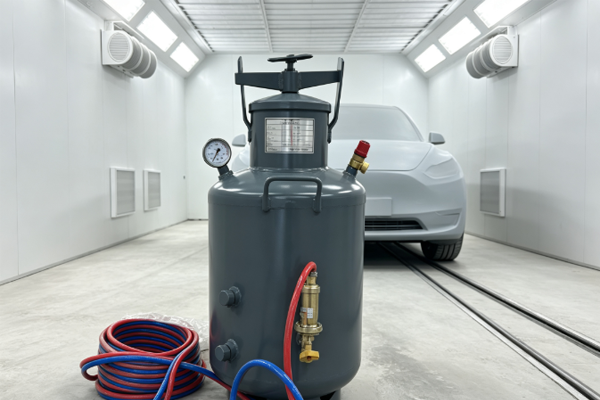
Why Do Automotive Paint Booths Need a Stable Propane Cylinder Supply?
Automotive paint booths use heating equipment to dry freshly painted vehicles. During this process, stable fuel delivery helps keep the equipment running consistently. Many repair shops have limited space and do not want to invest in complicated fixed gas systems, making propane cylinders a flexible option. This is particularly useful for small and medium-sized auto repair shops and body shops where the daily number of vehicles can change. For businesses in the automotive supplies industry, cylinder capacity, ease of use, and convenient refilling are also important considerations.
Different Paint Booths Have Different Gas Requirements
The right setup depends largely on the daily workload and operating conditions.
- Small repair shops: Flexible cylinder replacement is usually more practical for lower vehicle volumes.
- Car detailing shops: Gas demand can vary, so having backup cylinders can help avoid interruptions.
- Body shops: Longer operating hours make continuous gas supply more important.
- Large repair centers: Higher gas consumption requires careful planning for cylinder quantities and supply channels.
Even when two businesses use similar paint booths, their cylinder requirements may be very different. Matching the setup to actual workload can make daily operation much easier.
What Problems Can Unstable Propane Supply Cause?
If the fuel supply becomes unstable during a paint booth cycle, workers may need to stop the equipment and troubleshoot the system. For repair shops working on tight schedules, even a short interruption can affect efficiency.
- Drying time may be affected.
- Paint booth temperature may fluctuate.
- Workers may need to replace cylinders more frequently.
- Vehicle delivery schedules may be delayed.
That is why propane cylinder selection should focus not only on whether the cylinder can be used, but also on whether it can provide a reliable supply.
How to Choose a Propane Cylinder for an Automotive Paint Booth?
Choosing a cylinder does not have to be complicated. The key is to understand the paint booth specifications and actual propane consumption. A cylinder that is too small may require frequent replacement, while an oversized cylinder can create additional handling and storage challenges. Regulators, hoses, valves, and connectors also need to match the equipment. Confirming these details before purchasing can prevent unnecessary trouble later.
Key Factors to Check Before Purchasing
| Purchase Item | What Users Usually Care About | What to Check |
| Cylinder capacity | How long can one cylinder last? | Estimate based on daily booth operation and fuel consumption |
| Cylinder condition | Is the cylinder suitable for continued use? | Check the cylinder body, valve, and inspection status |
| Equipment compatibility | Can it work with the existing paint booth? | Confirm connection and regulator requirements |
| Backup supply | What happens when a cylinder runs out? | Prepare backup cylinders based on daily consumption |
| Handling | Is cylinder replacement easy? | Consider weight, movement, and securing methods |
| Gas supply | Can propane be replenished consistently? | Choose a reliable and compliant supplier |
| Storage location | Where can the cylinders be stored? | Use a storage area that meets local safety requirements |
Do Not Choose a Cylinder Only Because It Is Larger
Cylinder capacity should match the actual workload of the automotive repair shop.
- Shops with low daily paint volumes may not need oversized cylinders.
- Busy body shops can prepare backup cylinders to reduce downtime.
- Paint booths operating for long periods should have their fuel requirements checked carefully.
- Shops with limited space should consider both cylinder capacity and ease of handling.
Taking these factors into account before purchasing is much easier than replacing unsuitable equipment later.
Make Sure the Accessories Match
A propane cylinder does not work alone. Regulators, hoses, valves, connectors, and burners all need to meet the equipment requirements.
- Confirm the regulator specifications.
- Check whether hoses and connectors are compatible.
- Avoid mixing components with different specifications.
- Replace worn, damaged, or abnormal components promptly.
For a continuously heated paint booth, a properly matched connection system makes daily operation much smoother.
How Can Propane Cylinders Be Used More Safely in Automotive Paint Booths?
Automotive paint booths already contain heat sources, so the placement of propane cylinders deserves particular attention. Common problems often come from small details, such as unsecured cylinders, old hoses, poorly stored backup cylinders, or rushed cylinder replacement. Propane is a flammable gas, so storage and use should comply with local fuel gas, fire safety, and other applicable requirements. Operators should also receive appropriate training.
Important Rules for Cylinder Placement
- Keep cylinders stable and prevent them from tipping or being hit.
- Keep cylinders away from high-temperature areas and open flames.
- Store cylinders in a well-ventilated area that meets local requirements.
- Do not place cylinders where they can easily be hit by vehicles or equipment.
- Secure and organize backup cylinders properly as well.
These are simple steps, but good daily habits can make gas management much easier.
Perform a Quick Check Before Starting Work
A daily inspection does not need to be complicated. Workers can focus on several easy-to-check items before operating the paint booth.
- Check the cylinder body for visible damage, corrosion, or other abnormalities.
- Inspect the valve and connection points.
- Check hoses for aging, cracking, or damage.
- Make sure the cylinder is properly secured.
- Stop using the equipment and have qualified personnel handle any abnormal condition.
Once these checks become part of the daily routine, small problems are much easier to identify before work begins.
How to Manage Propane Cylinders for Automotive Paint Booths?
Buying the right cylinder is only the beginning. Long-term use depends heavily on daily management. Automotive repair shops can have frequent vehicle movement and multiple workers or shifts. Without a simple tracking system, it is easy to run short of backup cylinders or overlook equipment inspections. The process does not need to be complicated. A few simple routines can make a big difference.
Keep a Simple Propane Usage Record
- Record the number of cylinders used each day.
- Record the approximate number of vehicles painted or dried.
- Note any gas supply problems.
- Record cylinder inspections and replacements.
- Mark abnormal conditions for follow-up.
After keeping these records for a period of time, the shop can identify its normal fuel consumption pattern and make better decisions about cylinder purchases and backup supplies.
How Many Backup Cylinders Should You Prepare?
Backup cylinders should not be considered only when the last cylinder is almost empty. The number can be planned around normal fuel consumption.
- Small repair shops: Keep a small backup supply and focus on convenient replenishment.
- Medium-sized body shops: Maintain a fixed backup quantity to reduce unexpected downtime.
- High-consumption repair centers: Plan for continuous propane supply and cylinder rotation.
- Shops with multiple paint booths: Calculate the fuel requirements for each booth instead of relying on an undersized shared supply.
For automotive supplies businesses, auto repair shops, and body shops, propane cylinder selection should ultimately serve real operating needs. The right cylinder capacity, compatible heating equipment, sufficient backup supply, and proper storage and inspection routines can make paint booth operations much smoother. When purchasing, do not compare cylinders by price alone. Consider fuel consumption, equipment compatibility, replenishment convenience, and daily safety management together for a setup that works better over the long term.