
Blacksmithing may look simple from the outside, but getting the right heat takes real skill. Metal heating, forging, cutting, brazing, and repair work all require a stable flame. For craftsmen, choosing the right acetylene cylinder directly affects the daily workflow. A cylinder that is too small may run out halfway through a job, while an incompatible gas system can make flame control difficult. A practical acetylene cylinder solution should reduce these concerns and allow craftsmen to focus more on the work in their hands.
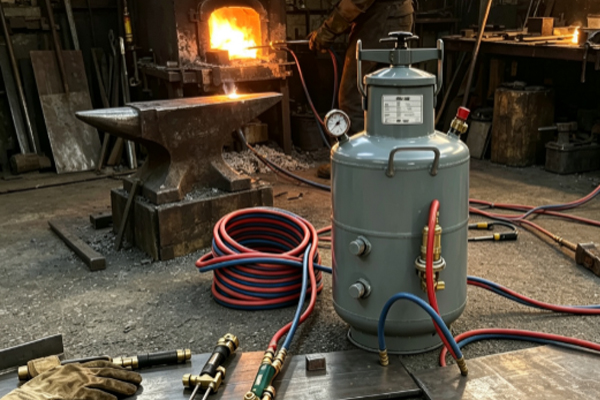
Why Do Blacksmith Shops Need a Stable Acetylene Cylinder?
Traditional blacksmithing relies heavily on high-temperature heating, while modern craftsmen use acetylene in a wider range of applications. From hand forging and metal repair to localized heating and flame cutting, reliable gas supply is essential. Small workshops may have limited staff and equipment, but their workloads can still be concentrated. Running out of gas in the middle of a job can interrupt the entire workflow.
How Does an Acetylene Cylinder Affect Craftsmanship?
Cylinder capacity, gas supply stability, and ease of handling can all affect actual operation. Since craftsmen may work different hours each day, equipment used in large factories should not simply be copied for small workshops.
- Long heating operations require a more stable gas supply.
- Frequent movement between work areas makes cylinder weight an important consideration.
- Workshops with higher daily gas consumption should prepare spare cylinders in advance.
- Small studios often need to balance cylinder capacity with operating costs.
Choosing the right cylinder can reduce unnecessary shutdowns and cylinder changes, helping craftsmen maintain a smoother workflow.
How Should You Choose the Right Acetylene Cylinder Capacity?
Craftsmen can select an appropriate cylinder capacity based on daily working hours, equipment quantity, and acetylene consumption. Workshops with shorter operating periods or frequent movement can prioritize cylinders that are easier to handle. For long periods of continuous heating or cutting, gas supply capacity and spare cylinders deserve more attention.
It is also important to confirm that the cylinder is compatible with the regulator, hoses, and torch. Capacity should not be considered separately from the entire gas supply system.
What Are the Common Acetylene Applications for Craftsmen?
Acetylene is used for much more than flame cutting in craft workshops. Different processes require different flame conditions, and cylinder consumption can vary considerably. Hand forging may require long periods of heating, while metal repair may only require acetylene occasionally. Brazing also requires precise flame adjustment.
Heating, Cutting, and Brazing Have Different Gas Requirements
Craftsmen can start by looking at the types of work they perform most often and then evaluate their actual gas consumption habits.
- Metal heating: Focus on continuous working time and gas supply stability.
- Flame cutting: Pay close attention to torch specifications and acetylene consumption.
- Metal brazing: Flame adjustment and gas-system compatibility are particularly important.
- Equipment repair: Since usage can be irregular, having a spare cylinder is more convenient.
For workshops with regular daily operations, recording cylinder replacement times over several jobs can provide a practical estimate of daily acetylene consumption.
How Should Small Workshops Configure Their Acetylene Cylinder Systems?
Small blacksmith shops have different operating conditions from large production facilities, so cylinder configuration should not simply focus on maximum capacity. A studio with only one or two craftsmen may find an oversized cylinder difficult to move, while a metal workshop with long operating hours may need to replace undersized cylinders too frequently.
Look at Working Hours Before Choosing Cylinder Capacity
When selecting an acetylene cylinder, craftsmen can consider daily working hours, torch usage frequency, equipment quantity, and the distance the cylinder needs to be moved. In practical use, two questions matter most: “How long can one cylinder last?” and “How quickly can I replace it when the gas runs out?”
| Workshop Usage | Key Factor | Practical Configuration |
| Short daily use | Daily acetylene consumption | Choose a cylinder suitable for normal consumption |
| Long continuous heating | Continuous gas supply capacity | Plan for spare cylinders in advance |
| Frequent mobile operations | Cylinder weight and dimensions | Prioritize an easy-to-move configuration |
| Multiple pieces of equipment | Simultaneous gas consumption | Increase spare cylinder inventory |
| Temporary repair work | Irregular usage frequency | Keep at least one spare cylinder available |
Regulators, Hoses, and Torches Also Need to Match
It is easy to focus only on the cylinder itself and overlook the equipment downstream. An acetylene cylinder should be used with a suitable regulator, hose, fittings, and torch. Connection specifications and equipment requirements should be confirmed before operation.
Hoses should not remain close to hot workpieces for extended periods, and fittings should be kept in good condition. If aging, damage, or abnormal connections are found, operation should be stopped and the affected component replaced.
How Can Acetylene Cylinders Be Used Safely in a Blacksmith Shop?
Blacksmith shops commonly contain furnaces, sparks, hot metal, and various processing tools, making cylinder placement particularly important. Acetylene cylinders should not simply be placed beside a furnace or in an area where they could be struck by workpieces. Even in a small workshop, cylinders should have a stable and well-ventilated storage location.
What Should Be Checked During Daily Use?
Spending a few minutes on basic checks before starting work is often much easier than dealing with problems after they occur.
- Check the cylinder for visible abnormalities.
- Inspect the valve, regulator, and connection points.
- Check hoses for aging, cracks, or other damage.
- Make sure the cylinder is stable and kept away from unnecessary heat sources.
After operation, relevant valves should be closed and the cylinder stored properly in accordance with local safety requirements. In shared workshops, all craftsmen should follow the same basic inspection routine.
How Can Craftsmen Reduce Acetylene Cylinder Changes?
One of the most frustrating situations for craftsmen is running out of gas halfway through a job. A workpiece may already have reached the required temperature, only for the operator to stop, replace the cylinder, and readjust the flame. For blacksmith shops with regular orders, preparing spare cylinders in advance is much more convenient than looking for a gas supply at the last minute.
Gas Usage Records Can Help Workshops Understand Actual Consumption
There is no need for complicated management systems. Simply record the date, working time, and general type of work whenever a cylinder is replaced. After collecting records over a period of time, the workshop can estimate how long a cylinder normally supports its daily operations.
| Management Item | Recommended Record | Problem Addressed |
| Cylinder replacement time | Date and time | Identify the actual usage cycle |
| Working time | Daily operating hours | Estimate daily consumption |
| Equipment quantity | Number of torches used simultaneously | Estimate peak gas demand |
| Spare inventory | Number of available cylinders | Prevent unexpected gas shortages |
| Abnormal conditions | Valve, hose, or connection issues | Identify equipment problems early |
Do Not Wait Until the Last Cylinder Is Empty
Craftsmen can set a simple replenishment point based on their actual consumption rate. Once inventory reaches the reserved level, new cylinders can be arranged instead of waiting until there are no spare cylinders left.
- Record the date each cylinder is replaced.
- Inspect spare cylinders regularly.
- Track overall acetylene consumption when multiple torches operate at the same time.
- Arrange cylinder replenishment in advance to prevent work from stopping halfway through an order.
For blacksmiths and craftsmen, a practical acetylene cylinder solution does not need to be complicated. Cylinder capacity should match the actual workload, regulators and hoses should be compatible with the equipment, cylinders should be positioned properly, and a reasonable spare inventory should be maintained. This can reduce unnecessary cylinder changes and help heating, cutting, brazing, and metal repair work continue at a smoother pace.