
Weed control may sound like a simple farm task, but large areas, scattered weeds, and hard-to-reach spots can make the job surprisingly time-consuming. Weeds along field edges, between orchard rows, around greenhouses, and beside farm roads often need regular treatment. Propane-powered flame weed control equipment offers a flexible option for these areas, while the propane cylinder provides the fuel needed for stable operation. For farmers, agricultural workers, and small farms, questions such as how long a cylinder can last, how easy it is to move, and how many cylinders are needed for a full day of work are all important. A practical Propane Cylinder for Agricultural Weed Control Solution should help reduce downtime and make daily weed control easier to manage.
Why Do Agricultural Weed Control Applications Need the Right Propane Cylinder?
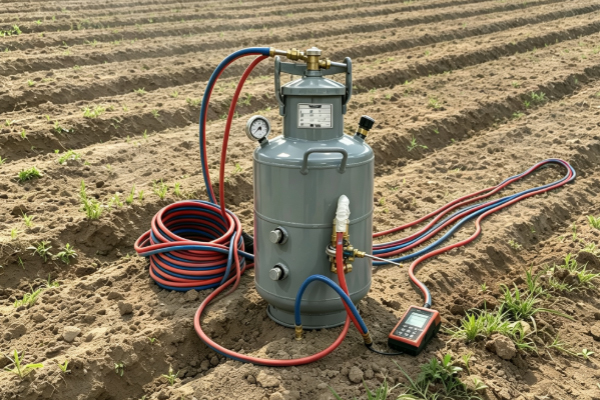
Modern agriculture requires more flexible weed control methods, and large machinery is not always suitable for every location. Areas between orchard rows, along vegetable fields, around greenhouses, and beside farm roads may require equipment that can be moved and operated more easily. Propane-powered flame weed control can be used with suitable equipment for these applications, but cylinder selection has a direct impact on the overall working experience.
Farmers usually have very practical questions: Can one cylinder last through the job? Is it easy enough to carry across a field? What happens if the gas runs out halfway through the work? These questions become even more important when weed control is part of the daily farm routine.
Different Agricultural Applications Have Different Cylinder Requirements
A small vegetable plot does not necessarily need the same cylinder configuration as a large farm. Orchard work may require frequent movement, greenhouse areas may have limited working space, while large-scale weed control places more emphasis on continuous operating time.
| Agricultural Application | Typical Working Condition | Key Selection Concern | Practical Configuration |
| Small vegetable fields | Relatively small work areas | Lightweight and easy handling | Choose an easy-to-move cylinder size |
| Orchard rows | Frequent equipment movement | Weight, dimensions, and secure placement | Balance capacity with portability |
| Large agricultural fields | Long continuous operation | Gas consumption and operating time | Prepare suitable spare cylinders |
| Greenhouse surroundings | Limited working space | Cylinder size and flexibility | Avoid oversized and heavy cylinders |
| Farm roads and open areas | Scattered working locations | Transportation and gas replacement | Use a primary cylinder with a spare |
When choosing a propane cylinder, do not focus only on capacity. The right cylinder should be easy enough to move, compatible with the equipment, and capable of supporting a normal work session without excessive cylinder changes.
Is a Larger Propane Cylinder Always Better?
Not necessarily. A larger cylinder can support longer operation between replacements, but it may also be heavier and more difficult to move around the farm. For agricultural workers who need to move equipment between orchard rows or different fields, an oversized cylinder may create extra work.
For shorter jobs, portability may be more important. For longer daily operations, continuous gas supply and spare cylinder availability deserve more attention. Recording actual propane consumption during several work sessions is a practical way to identify the most suitable cylinder size.
How to Choose a Propane Cylinder for Agricultural Weed Control?
When purchasing a propane cylinder for agricultural weed control, many users immediately ask how many kilograms they should choose. There is no single size that works for every farm because equipment consumption, daily working hours, and the size of the treatment area all affect actual propane usage.
Instead of simply choosing the largest available cylinder, it is better to look at how the equipment is actually used. Consider how many hours the equipment operates each day, how much area is treated during one session, and whether the cylinder needs to be moved frequently between work locations.
Check Equipment Gas Consumption Before Estimating Cylinder Runtime
The propane consumption rate of the weed control equipment is an important factor when estimating how long a cylinder can be used. Different torches, burners, and flame-control systems may have different consumption rates.
During normal farm operations, simple records can be useful:
- Record the time when each weed control session starts.
- Record when the work is finished.
- Note when the propane cylinder is replaced.
- Record the approximate area treated during the session.
After several work sessions, farmers can estimate how long one cylinder normally supports actual operations. This practical data is often more useful than relying only on theoretical capacity figures.
What Equipment Needs to Match the Propane Cylinder?
The cylinder is only one part of the weed control system. Regulators, valves, hoses, fittings, and flame torches also need to meet the equipment requirements. Incorrect connections or unsuitable components can create operating problems even when the cylinder itself is suitable.
Before purchasing a complete agricultural weed control system, check:
- Whether the cylinder connection matches the regulator.
- Whether the regulator specifications suit the equipment.
- Whether the hose length is suitable for field operations.
- Whether the torch and related fittings meet equipment requirements.
Checking the entire system before the busy farming season can prevent situations where the cylinder is available but cannot be properly connected to the equipment.
How Should Farmers Choose Between Lightweight and Large-Capacity Cylinders?
For agricultural workers who frequently change work locations, cylinder handling is important. If the cylinder needs to travel a long distance across an orchard or field, weight and dimensions should not be overlooked. Farms with longer continuous operating periods may place greater importance on total runtime.
In simple terms, smaller fields with frequent movement tend to favor portability, while large-scale and long-duration operations require more attention to runtime and spare cylinder inventory.
How Many Propane Cylinders Are Needed for a Day of Agricultural Weed Control?
“How many cylinders will I need in one day?” is one of the most practical questions farmers ask before purchasing. The answer cannot be determined by treatment area alone. Equipment consumption and daily operating hours also have a major impact. A farmer working for two hours a day will naturally use less propane than a team operating weed control equipment continuously for six or seven hours.
A Simple Way to Estimate Daily Propane Usage
If the equipment’s rated propane consumption is available, it can be used together with actual operating hours to estimate daily fuel demand. Real-world consumption may vary because of starting and stopping, flame adjustment, and changes in working intensity, so it is better not to keep the available cylinder inventory too close to the minimum.
A practical farm routine can include the following:
- Record the actual operating hours each day.
- Track how long one cylinder lasts in real work.
- Record propane consumption during continuous operation.
- Check spare cylinder inventory before the busy season.
With these records, future cylinder purchases can be based on actual farm usage instead of guesswork. This also helps reduce the risk of stopping work because the propane supply runs out unexpectedly.
Why Are Spare Propane Cylinders More Important During Peak Farming Seasons?
Agricultural weed control is often seasonal. During peak periods, propane consumption can increase significantly within a short time. A cylinder supply that works well during normal weeks may not be enough during intensive weed control operations.
Spare cylinder inventory can be planned around actual consumption and the time needed to obtain replacements. Farms located close to a propane supplier may need less reserve inventory, while farms operating in remote areas may benefit from keeping more spare cylinders available.
| Actual Situation | Common Problem | More Practical Arrangement |
| Short daily weed control sessions | One cylinder lasts relatively long | Keep a small spare inventory |
| Long continuous operations | More frequent cylinder replacement | Prepare additional spare cylinders |
| Peak agricultural season | Sudden increase in fuel demand | Prepare inventory before the busy period |
| Remote fields | Cylinder replacement takes longer | Keep an appropriate reserve |
| Multiple pieces of equipment | Faster overall propane consumption | Track consumption by equipment |
Keeping spare cylinders does not mean storing as many as possible. The goal is to establish a practical reserve level that supports normal operations without creating unnecessary inventory.
How Can Propane Cylinders Be Used More Safely and Efficiently in Agriculture?
Field operations are different from indoor industrial work. Ground conditions may be uneven, equipment may need to move frequently, and dry vegetation or other combustible materials may be present nearby. When using propane cylinders for agricultural weed control, operators should follow applicable local regulations and the safety requirements provided by the cylinder and equipment manufacturers.
A Few Minutes of Inspection Can Prevent Bigger Problems
A complicated inspection routine is not necessary for everyday work, but key components should be checked before each operation. Cylinders and hoses that are frequently moved deserve particular attention.
A practical pre-operation check can include:
- Check the cylinder for visible damage or unusual conditions.
- Inspect the valve and connection points.
- Check hoses for aging, cracks, or damage.
- Make sure the cylinder is stable and kept away from unnecessary heat sources.
If the cylinder, valve, hose, regulator, or connection components show signs of damage or abnormal operation, stop using the equipment and have the issue inspected or the affected component replaced by qualified personnel.
How Should Propane Cylinders Be Managed When Moving Between Fields?
When equipment is moved between orchards, fields, or other agricultural areas, cylinders should be secured and handled using appropriate methods. Avoid dragging, dropping, rolling, or exposing cylinders to unnecessary impact. Transportation and storage should also comply with applicable local propane cylinder requirements.
After weed control work is finished, close the relevant valves according to the equipment operating instructions and store the cylinder in a location that meets local requirements. During hot weather, avoid leaving cylinders for extended periods in unsuitable high-temperature environments.
Simple Daily Practices Can Reduce Downtime
Agricultural weed control can become frustrating when small problems interrupt the job. Checking the cylinder, hose, and torch before operation and preparing spare cylinders in advance can make daily work much smoother.
- Record the replacement time and operating hours for each cylinder.
- Inspect spare cylinders and connection equipment regularly.
- Check cylinder inventory before peak weed control periods.
- Track propane consumption separately when several pieces of equipment are used.
These tasks are simple, but regular records can reveal the farm’s actual propane usage pattern. Cylinder purchasing, replacement planning, and equipment checks then become much easier to organize.
A practical Propane Cylinder for Agricultural Weed Control Solution is not simply about choosing the largest cylinder available. The cylinder size should match equipment consumption, working hours, treatment area, and field handling conditions. Small vegetable fields may prioritize portability, orchard operations need a balance between mobility and runtime, while large agricultural fields may require reliable gas supply and sufficient spare inventory. When regulators, hoses, torches, cylinder storage, and routine safety checks are planned together, farmers and agricultural workers can reduce unnecessary cylinder changes and unexpected downtime, making weed control more efficient and easier to manage.