
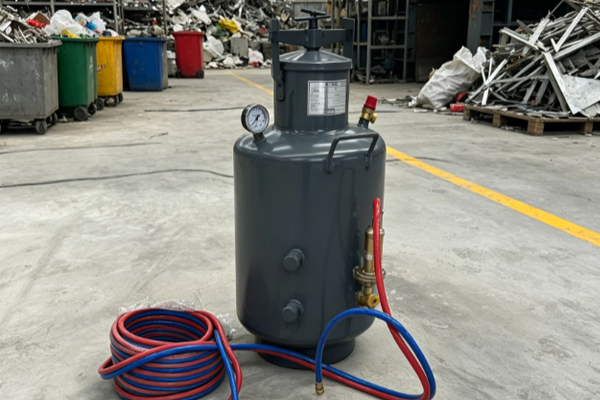
Recycling stations handle all kinds of materials every day, including scrap metal, steel structures, old equipment parts, and large metal waste that may need to be dismantled or cut. When heavy or difficult-to-separate metal materials are involved, ordinary tools may not be efficient enough. An acetylene generator used with suitable cutting equipment can provide a high-temperature flame for metal cutting and heating. However, recycling stations are more complicated than standard workshops, with combustible waste, oil residue, dust, and piles of metal materials often present nearby. A practical Acetylene Generator Safety Solution for Recycling Station should cover equipment selection, installation, gas management, work-area planning, and operator safety.
Why Do Recycling Stations Need an Acetylene Generator Safety Solution?
When processing scrap metal, recycling stations often deal with steel pipes, metal frames, old machinery, and large equipment that cannot be easily dismantled with ordinary tools. An acetylene generator can provide a gas source for flame cutting and metal heating, making difficult metal-processing jobs more manageable. At the same time, recycling stations often have changing work areas and large quantities of materials, so safety practices need to be adapted to the actual site.
Which Recycling Jobs Can Use an Acetylene Generator?
In daily operations, acetylene can be used for metal-processing jobs that require concentrated high-temperature flame. Operators usually care about two things: whether the equipment can provide a stable gas supply and whether it can be operated safely in a busy recycling environment.
- Cutting scrap steel
- Dismantling large metal frames
- Separating old machinery and equipment
- Heating metal components
For recycling stations handling large quantities of metal every day, the location of the acetylene generator is particularly important. The equipment should not be placed directly beside paper, plastic, oil-contaminated materials, or other combustible waste. At the same time, operators need sufficient space for inspection and operation.
| Recycling Station Application | Common Challenge | Key Safety Requirement | Practical Recommendation |
| Scrap steel cutting | Large and frequently moved materials | Stable equipment and organized gas lines | Establish a dedicated cutting area |
| Old machinery dismantling | Complex components and longer work periods | Continuous gas supply | Prepare an appropriate backup arrangement |
| Large metal frame processing | Wider cutting and flame-working area | Safe distance and work-zone separation | Remove combustible materials nearby |
| Small recycling station | Limited working space | Equipment footprint and ventilation | Create a dedicated operating area |
| Large recycling facility | Many workers and workstations | Clear operating zones | Establish a dedicated gas-work area |
Keeping the acetylene equipment separate from waste storage makes daily management much easier. Recycling stations with large quantities of plastic, paper, foam, or other combustible materials should never place gas equipment directly beside the waste pile just to save a few steps.
How to Choose a Safer Acetylene Generator for a Recycling Station?
Choosing an acetylene generator is not simply about looking at gas production capacity. The equipment should match the cutting workload while also fitting the installation space, ventilation conditions, operating requirements, and maintenance capabilities of the recycling station. Purchasing teams usually care about stable operation, maintenance requirements, service life, and operating costs, which are more useful considerations than simply choosing the largest available unit.
Match Equipment Capacity with Actual Workload
Different recycling stations can have very different workloads. Some mainly process small scrap steel pieces, while others regularly dismantle large machinery and metal structures. The equipment should be selected according to the actual workload.
- Small recycling stations: prioritize simple operation and easy maintenance
- Medium-sized recycling stations: focus on continuous operating capability and service convenience
- Large recycling facilities: consider the requirements of multiple cutting workstations
- High-intensity cutting areas: pay closer attention to stable gas production and equipment durability
An undersized generator may affect cutting efficiency during continuous work, while an oversized unit may create unnecessary installation and maintenance requirements. Before purchasing, it is useful to estimate daily cutting hours, the number of cutting tools, and the types of metal materials commonly processed.
Ventilation, Installation, and Maintenance Matter
The acetylene generator should be installed in a location that meets the manufacturer’s requirements and applicable safety standards, with adequate ventilation and sufficient access for inspection and maintenance. The surrounding area should not be blocked by tires, steel materials, cardboard, or other waste.
Routine maintenance should also be scheduled instead of waiting until a noticeable problem appears. Valves, gas lines, connection components, and other critical parts should be inspected according to the equipment requirements. Any abnormal condition should be handled by qualified personnel.
What Are the Daily Safety Requirements for an Acetylene Generator at a Recycling Station?
Once an acetylene generator is in operation, on-site management becomes just as important as equipment selection. Recycling stations often have vehicles, material-handling equipment, scrap piles, and workers moving around at the same time. A simple and consistent operating process can reduce problems caused by rushed or improvised operations.
Clear the Work Area Before Cutting
Metal cutting produces high temperatures and sparks. Before starting work, operators should inspect the surrounding area. Paper, plastic, oil-contaminated materials, and other combustible waste should be removed from the cutting zone, while access routes should remain clear.
- Remove combustible waste near the cutting area
- Inspect gas lines, hoses, and connection components
- Confirm that cutting equipment is connected according to requirements
- Wear appropriate protective equipment and follow proper training procedures
This may sound basic, but clutter is one of the most common challenges at recycling stations. Spending a few minutes clearing the work area is much easier than dealing with a preventable incident later.
Assign Clear Responsibilities to Operators
When a recycling station has many workers or frequent staff changes, untrained personnel should not operate or adjust acetylene equipment. Designated trained operators can be responsible for equipment operation, routine checks, and reporting abnormal conditions.
If unusual odors, pressure problems, damaged hoses, connection issues, or abnormal equipment behavior are detected, the operation should be stopped and handled according to the site’s safety procedures. Equipment showing abnormal conditions should not be kept in service simply to meet production targets.
How to Improve Acetylene Generator Storage and Safety Management?
Recycling stations usually do not have the same level of organization as a standard production workshop. Scrap materials vary widely, vehicles move frequently, and equipment can easily be blocked or hit by moving materials. Acetylene generators and related equipment should have a clearly designated location instead of being moved randomly around the site.
Build a Simple Equipment Management Routine
Daily management does not need to be complicated. The important thing is that workers can quickly identify whether equipment is ready for use, who is responsible for inspection, and who should be contacted if a problem occurs.
- Establish a fixed equipment area and minimize unnecessary movement
- Keep the surrounding area clean and prevent combustible waste from accumulating
- Record inspections, maintenance work, and abnormal conditions as required
- Provide basic safety training for new employees
For larger recycling facilities, separating the acetylene equipment area, metal cutting area, and general waste storage area can make site management much easier. It also reduces interference between vehicles, workers, and flame-cutting operations.
Using an acetylene generator at a recycling station is not simply a matter of purchasing the equipment. Equipment selection, site layout, operator training, routine inspection, and maintenance should work together as a practical safety process. With these basic measures in place, scrap metal cutting and machinery dismantling can run more smoothly while making the Acetylene Generator Safety Solution for Recycling Station more suitable for real recycling operations.