
Turning a few steel plates and pipes into a finished metal sculpture often involves cutting, bending, positioning, welding, and detailed finishing. When the workshop gets busy, the last thing a craftsman wants is an unreliable gas supply getting in the way. Small studios need flexible equipment, while large sculpture projects may require more movement and longer working periods. For Craftsmen, a practical gas supply setup should support the creative process rather than constantly interrupting the work.
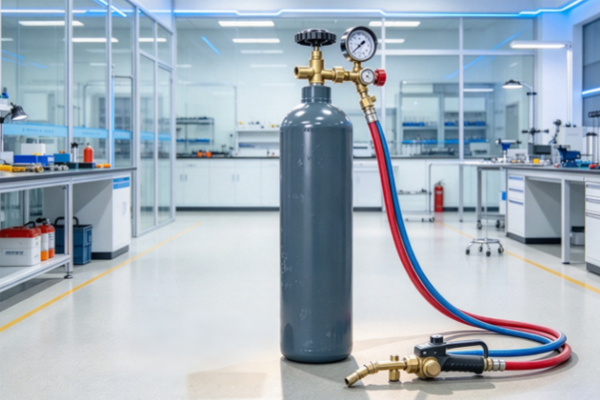
Where Are Acetylene Cylinders Used in Metal Sculpture Production
Sculpture welding is not simply about joining two pieces of metal. Large artistic sculptures often require material preparation, localized heating, structural joining, and later adjustments. With complex shapes, welding positions can change frequently, so the gas supply equipment needs to fit the craftsman’s working rhythm. For Craftsmen, the key question is whether the cylinder can support the workflow, rather than focusing on a single specification.
Gas Supply Needs Change from Material Preparation to Finishing
Different production stages can involve different working times and equipment requirements. Before purchasing an acetylene cylinder, it helps to consider where it will actually be used in the studio.
| Sculpture Process | Common Operations | Gas Supply Considerations |
| Material preparation | Cutting and adjusting metal components | Potentially frequent use |
| Structural assembly | Positioning and welding pipes or plates | Compatibility with welding equipment |
| Shape adjustment | Local heating and metal shaping | Frequent changes in working position |
| Weld finishing | Local repairs and detail work | Easy and flexible operation |
| On-site installation | Assembly and adjustment of large sculptures | Cylinder movement and secure placement |
Working habits can change from one stage to another. Looking at the cylinder as part of the entire production process is more practical than simply asking whether the capacity is large enough.
How Do Small and Large Sculptures Differ in Gas Use?
Small sculptures are usually made around a fixed workbench, so the cylinder may not need to move very often. Large sculptures may be produced in spacious workshops or outdoors, with welding positions changing repeatedly. Small-scale work usually places more emphasis on saving space, while large projects require a more practical equipment movement plan.
What Should Craftsmen Consider When Buying an Acetylene Cylinder for a Sculpture Studio?
For Craftsmen, the practical questions are usually straightforward: Where will the cylinder go? Will it provide enough gas? Is it easy to move? Can it work with the equipment already in the studio? These simple questions directly affect everyday productivity. Space is particularly valuable in smaller studios, so equipment should be selected according to actual working conditions rather than theoretical maximum demand.
Bigger Is Not Always Better
If a studio mainly produces small metal sculptures, working time may be relatively short, and an oversized cylinder can take up valuable workspace. On the other hand, large outdoor sculptures may require longer welding periods, making it more important to plan an appropriate gas reserve.
| Actual Working Situation | What Matters More | Less Suitable Approach |
| Small sculpture studio | Space, handling, convenience | Choosing an oversized cylinder without need |
| Medium-sized workshop | Daily gas use and storage space | Looking only at purchase price |
| Large sculpture project | Continuous work and backup planning | Waiting until the gas runs out |
| Outdoor construction | Handling, securing, site conditions | Placing the cylinder casually |
| Occasional projects | Actual frequency of use | Buying for a consistently high workload |
Think about the types of projects you normally take on and how long you actually weld. The right equipment should fit the working rhythm instead of leaving you with the feeling that it is either unnecessarily large or simply not enough.
Supporting Equipment Should Be Checked at the Same Time
An acetylene cylinder needs to work with suitable regulators, hoses, welding equipment, or cutting equipment. Listing the specifications of the equipment already in use and checking the connection requirements before purchasing can save considerable trouble later.
How Can Acetylene Cylinders Be Managed on a Large Sculpture Site?
Large sculpture production feels very different from working on a small piece in a studio. Semi-finished structures may be placed on the floor, while pipes, steel plates, scaffolding, and tools can occupy a large area. Craftsmen may also need to change positions repeatedly. If the cylinder is placed poorly, it can interfere with movement and make hose routing unnecessarily messy. A little planning can make welding much easier.
Plan the Working Route Before Choosing the Equipment Location
The cylinder should be positioned in a location that meets applicable vehicle, workplace, and safety requirements and should remain securely supported. Access routes, welding areas, and material storage areas should be separated where practical.
For large sculptures, the craftsman may need to move around the entire structure. Keeping the cylinder in a suitable fixed position also makes hose management easier and reduces the need to rearrange the setup every time the welding position changes.
Outdoor Projects Need More Preparation Than Studio Work
Outdoor conditions can change quickly. Equipment may be exposed to rain, uneven ground, vehicle movement, or people working nearby. Before starting the job, plan the cylinder storage location, equipment connections, and working area together.
Before work begins, check:
- The cylinder shows no obvious damage or abnormal condition.
- The securing method meets equipment and site requirements.
- Connection components are in suitable condition.
- The working area is clear of unnecessary obstacles.
Starting work after these checks is much easier than stopping halfway through welding to deal with equipment issues. When several people are working on the same project, assigning someone to manage the gas equipment can also prevent confusion over responsibility.
How Can Sculpture Welding Projects Prepare Their Gas Supply in Advance?
Sculpture projects often change during production. Dimensions may be adjusted, new components may be added, or certain sections may need to be repaired and rewelded. A project originally planned for two days can easily require another day after design changes. If the gas supply is planned too tightly, work may have to stop halfway through. For Craftsmen, understanding gas usage before the project begins is much easier than dealing with shortages at the last minute.
Make a Simple Gas Supply Estimate After Taking the Order
There is no need to make the calculation overly complicated. Start with previous projects of a similar type. Check how long they took, then consider whether the new sculpture is larger, requires more welding, or will be built at a different location.
A simple record can include:
- Sculpture type: Small artwork, metal installation, large outdoor sculpture, and so on.
- Estimated project duration: Continuous welding or work completed in stages.
- Welding frequency: Approximate operating time per day.
- Backup planning: Whether an additional gas supply arrangement is needed for a longer project.
The benefit becomes clear when a similar order comes in later. Instead of estimating everything from scratch, Craftsmen can refer to previous project records and get a more realistic idea of their usual gas consumption.
Do Not Forget Cylinder Management After the Project
After completing a project, record the usage date and equipment condition while the information is still fresh. If an acetylene cylinder has been unused for a long period, it should be inspected according to the manufacturer’s instructions and applicable local safety requirements before being returned to service. Filling, inspection, and other regulated cylinder work should be handled by qualified professionals.
Successful sculpture welding depends on more than welding skills. The equipment also needs to keep up with the pace of the creative work. Acetylene cylinders can support material preparation, structural welding, detail work, and large on-site sculpture projects when properly matched to the application. Craftsmen can consider the sculpture type, project duration, available workspace, and equipment compatibility before planning the site setup and gas supply. With a practical configuration, different sculpture projects can be completed with fewer interruptions and a smoother welding workflow.