
Dismantling a scrap car may look like a simple job of removing parts, but workers often run into seized bolts, stuck metal components, and difficult body structures. Regular tools can handle many tasks, but when certain areas require heating or cutting, a suitable gas supply system can make the work much easier. For auto recycling yards, end-of-life vehicle dismantling plants, and businesses working with Automotive Supplies, an acetylene generator is not simply a gas source. It can also affect dismantling speed, equipment compatibility, and daily workflow. With the right setup, workers spend less time dealing with equipment problems and more time getting vehicles apart.
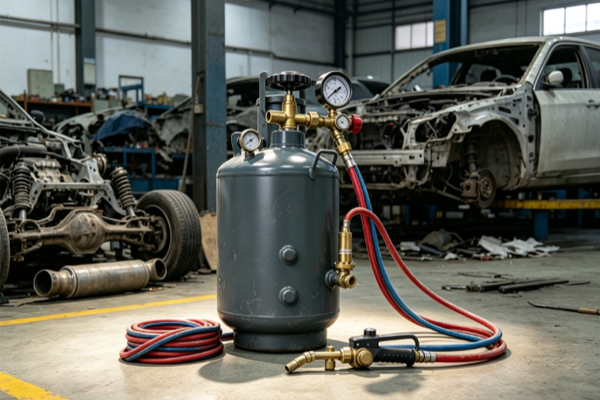
Why Is an Acetylene Generator Used for Car Dismantling?
Car dismantling involves body panels, chassis components, exhaust pipes, brackets, and many different metal connections. The longer a vehicle has been on the road, the more likely some metal parts are to suffer from corrosion or become difficult to remove. When localized heating or metal cutting is required, an acetylene generator can provide the gas supply for suitable operations. For dismantling facilities that receive vehicles every day, easy operation, stable gas supply, and the ability to support repeated work can be more important than simply looking at the purchase price.
Which Car Dismantling Operations Need a Gas Supply?
Different dismantling stations handle different tasks. Some vehicles can be stripped down quickly, while older vehicles may require much more time to deal with corroded components. Identifying where the gas supply will actually be used makes equipment selection much easier.
| Car Dismantling Application | Typical Work | Main User Concern |
| Vehicle body dismantling | Separating metal structures and localized cutting | Easy cutting operation |
| Chassis dismantling | Handling corroded connections and metal parts | Suitability for continuous work |
| Exhaust system removal | Processing pipes, brackets, and other metal parts | Convenient heating and cutting |
| Engine-area dismantling | Handling brackets and difficult metal components | Gas and tool compatibility |
| High-volume vehicle dismantling | Processing multiple vehicles continuously | Gas supply stability and maintenance efficiency |
Two dismantling sites may have completely different gas consumption even when they perform similar work. A small recycling yard does not necessarily need the same configuration as a large end-of-life vehicle dismantling plant. Matching the equipment to the actual working rhythm is usually much more practical.
What Are the Advantages of an Acetylene Generator for Car Dismantling?
Efficiency matters on a car dismantling site. Equipment should be practical enough for workers to operate without constantly stopping to adjust the setup. In suitable applications, an acetylene generator can help workers handle certain metal components that are difficult to process with conventional tools alone.
- Flexible gas supply: It can be used with suitable welding and cutting equipment for different dismantling stations.
- Useful for difficult-to-remove metal parts.
- Can reduce the time spent relying only on mechanical tools when dealing with corroded components.
- For sites dismantling vehicles continuously, a properly planned setup makes daily work easier to organize.
The real value of the equipment comes down to everyday use. If it helps reduce unnecessary waiting and works smoothly with existing tools, dismantling workers can feel the difference during every shift.
How Do You Choose an Acetylene Generator for Car Dismantling?
Vehicle conditions vary from one dismantling job to another, and equipment workload changes with them. A small recycling yard may process only a few vehicles a day, while a larger dismantling plant may handle dozens or more. Businesses connected with Automotive Supplies also need to consider site size, usage frequency, the number of operators, and existing equipment. Sharing these details with a supplier makes it easier to work out a suitable configuration rather than choosing equipment based on a single specification.
Small Recycling Yards and Large Dismantling Plants Need Different Setups
Bigger equipment is not automatically the right choice. A small site using a large system at low workload may waste valuable space and investment, while an undersized setup can become a bottleneck at a busy dismantling plant.
| Dismantling Business Type | What to Check Before Buying | Typical Usage Focus |
| Small vehicle recycling yard | Footprint and ease of operation | Occasional difficult-part removal |
| Medium dismantling plant | Gas supply and maintenance | Maintaining a regular daily workload |
| Large end-of-life vehicle facility | Continuous operation and backup planning | Multiple dismantling stations |
| Temporary dismantling project | Mobility and site adaptability | Irregular operating periods |
| Automotive Supplies-related factory | Equipment compatibility and gas management | Integration with existing production equipment |
If the number of vehicles processed each day is relatively stable, keeping a simple record of equipment usage for several weeks can reveal the site’s real gas consumption pattern.
Do Not Miss These Details When Buying
An acetylene generator is not a “connect the hose and forget about it” type of purchase. Regulators, hoses, welding or cutting tools, and site installation conditions should all be discussed before the equipment arrives.
- Check the connection and interface requirements with existing equipment.
- Regulators and related fittings should meet the equipment’s operating requirements.
- The work area needs enough room for operation, and the equipment should not block vehicle access routes.
- If the system will run continuously, maintenance and backup arrangements should be considered in advance.
Providing the supplier with equipment photos, connection information, and actual working conditions can make communication much faster. It also reduces the chance of discovering after delivery that the equipment does not fit the existing setup.
How Can an Acetylene Generator Be Used More Conveniently on a Car Dismantling Site?
A dismantling yard is different from a standard repair workshop. Scrap vehicles, tires, engines, and metal parts are constantly moving in and out, while oil, dirt, and metal debris can accumulate on the floor. If the gas equipment is placed randomly beside a walkway, it can easily interfere with workers. On sites where several people work at the same time, planning the equipment position and gas lines in advance can make everyday operation much smoother.
Do Not Put the Equipment Wherever There Happens to Be Space
An acetylene generator should be installed, operated, and secured in line with the manufacturer’s instructions and applicable local safety requirements. It should also be kept away from materials or locations unsuitable for exposure to ignition sources. Since vehicle positions can change throughout the day, the gas equipment is better placed in a stable and manageable location.
If workers regularly move between several dismantling stations, the gas supply route and working areas can be planned ahead. After another vehicle is moved into position, there is less need to reorganize the entire setup, keeping the site cleaner and easier to work in.
What Should Be Checked Before Starting Work?
Car dismantling is highly repetitive, and equipment may be used every day. A quick inspection takes little time but can help prevent unexpected interruptions in the middle of a job.
- Check hoses and connections; do not continue using components with obvious damage.
- Keep the area around the equipment clean and free from piles of scrap parts.
- Inspect valves, regulators, and connection components.
- Maintain suitable ventilation and follow applicable site safety requirements.
These checks may seem basic, but they are useful in a busy dismantling plant. When several workers share the same equipment, assigning clear responsibility for equipment inspection is more reliable than assuming someone else has already checked it.
How Can Car Dismantling Companies Plan Their Acetylene Gas Supply in Advance?
Vehicle recycling businesses can experience significant changes in workload. Sometimes a large number of vehicles arrive at once, and daily dismantling volume suddenly increases. If an acetylene generator is planned only for normal workload, extended operating hours and more frequent maintenance may become a problem during busy periods. Automotive Supplies-related businesses with a stable vehicle supply can record daily dismantling volume, equipment operating time, and unusual equipment conditions. These records can make future equipment purchases and capacity expansion much easier to plan.
Keep a Simple Record of Vehicle Volume and Working Hours
There is no need to turn the process into complicated paperwork. A few useful records are enough to show how the equipment is actually being used.
- Daily vehicle volume: Record how many vehicles are processed each day to see workload changes over time.
- Operating time per vehicle: Some older vehicles can take much longer to dismantle, making this useful information to keep.
- Peak-period gas use: When many vehicles arrive together, how long does the equipment operate continuously?
- Maintenance records: Which components tend to require attention, and how often should they be inspected?
After several months, these records can provide a much clearer picture than simply estimating usage from memory. When the company adds dismantling stations or increases its recycling volume, it becomes easier to decide whether the existing gas supply configuration needs adjustment.
Do Not Delay Maintenance After Using the Equipment
An acetylene generator should be inspected and maintained according to the manufacturer’s instructions after extended use. If abnormal conditions are found, the equipment should not be forced to continue operating. Repairs, inspections, or other professional work should be handled by qualified personnel.
For companies that dismantle vehicles continuously, keeping a basic maintenance log can also help. Record when the equipment was inspected, what issue was found, and when it was resolved. It is simple, but over time it makes equipment management much clearer.
Car dismantling involves different vehicle models, ages, conditions, and metal components rather than one standard type of work. In suitable heating and cutting applications, an acetylene generator can help workers deal with difficult metal parts and keep the dismantling process moving. When selecting equipment, companies can consider daily vehicle volume, working hours, equipment compatibility, available space, and backup arrangements together. For auto recycling yards, end-of-life vehicle dismantling plants, and Automotive Supplies-related businesses, the most practical gas supply setup is one that can keep up with the actual pace of daily work.