
Steel cutting, metal welding, pipe processing, and repair work on construction sites often depend on a stable gas supply. This becomes even more important on long-term projects with a large amount of metal processing, where an interrupted gas supply can slow down daily work. An acetylene generator can provide an acetylene gas supply for the construction industry and support applications such as structural steelwork, pipe installation, metal cutting, and maintenance. For construction teams that use gas continuously, generator capacity, supply stability, and supporting equipment all deserve careful planning.
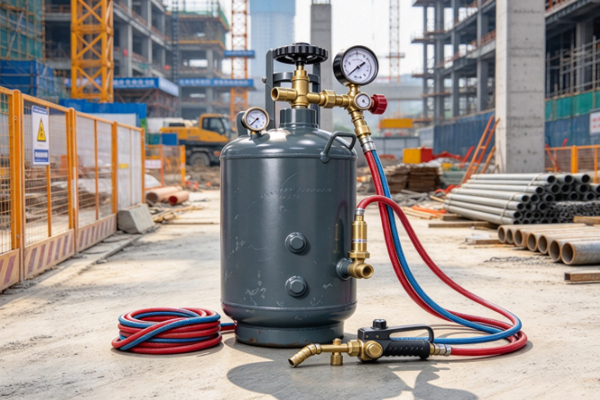
Why Does the Construction Industry Need an Acetylene Generator Supply Solution?
Construction environments can vary considerably. Some projects process steel inside fixed workshops, while others require metal cutting and repair work directly on outdoor construction sites. Steel plates, pipes, profiles, and other metal materials all create practical gas requirements during cutting and welding operations. Focusing only on the generator itself without considering daily gas consumption and working schedules can lead to insufficient supply during busy construction periods.
An acetylene generator supply solution is suitable for construction applications that require continuous gas use. It can be integrated with compatible cutting equipment, welding equipment, and gas delivery systems, making daily site operations easier to organize.
What Construction Work Uses Acetylene Generators?
Acetylene is commonly used with compatible gas welding and gas cutting equipment for metal processing. Different construction projects have different workloads, so actual gas consumption can vary significantly.
| Construction Application | Typical Work | Key Requirement |
| Structural Steelwork | Steel cutting, component processing | Continuous gas supply |
| Pipe Installation | Pipe processing, welding support | Equipment compatibility |
| Construction Maintenance | Metal cutting, on-site repair | Flexible gas supply |
| Metal Processing Area | Steel plate and profile cutting | Gas supply capacity |
| Large Construction Projects | Long-duration metal processing | Backup gas supply |
For construction crews, the real concern is often not simply whether acetylene is available, but whether the gas supply can remain stable halfway through a job. Projects with heavier workloads need a closer look at daily consumption, working hours, and equipment configuration.
How Should an Acetylene Generator Be Configured for a Construction Site?
Site conditions matter when using an acetylene generator in construction. A fixed construction base and a temporary jobsite may have very different requirements. Equipment location, gas delivery distance, piping, connections, and operator working habits can all affect how convenient the system is in daily use. On large construction projects, work areas may also be spread across different locations. If the gas supply equipment is too far from the working area, moving and using the equipment can become inconvenient.
A practical configuration can start with the expected daily working hours and the actual gas consumption of the cutting equipment. This usually makes more sense than simply choosing the largest available generator.
How Do Gas Supply Needs Differ Between Construction Projects?
Even within the construction industry, gas consumption can vary greatly between structural steel fabrication and on-site maintenance. Working hours, materials, and the number of gas-operated machines can all affect acetylene demand.
| Project Type | Typical Gas Use | Supply Priority |
| Small Repair Project | Intermittent use | Flexible supply |
| Standard Construction Site | Daily continuous use | Stable supply |
| Structural Steel Project | Heavy metal processing | Supply capacity |
| Large Engineering Project | Multiple machines operating | Continuous and backup supply |
If a site only uses gas for a few hours each day, an oversized system may not be necessary. When several machines need to operate for extended periods, sufficient supply capacity becomes much more important. The final configuration should reflect the actual number of machines and real gas consumption.
What Equipment Should Be Used with an Acetylene Generator?
An acetylene generator does not operate as a standalone piece of equipment. It needs to work with suitable gas delivery and application equipment. Construction sites often require equipment to be moved between work areas, so proper equipment matching can make a noticeable difference in daily operation.
- Cutting equipment: Should be compatible with the acetylene supply system and other required fuel gases.
- Welding equipment: For compatible gas welding applications, connection specifications should match the equipment requirements.
- Piping and connectors: Specifications should meet the equipment requirements rather than being improvised.
- Pressure regulation and control equipment: Should provide the working pressure required by the connected equipment.
With the supporting equipment properly arranged, workers spend less time dealing with connection and supply issues, making site operations easier to manage.
What Are the Practical Advantages of Using Acetylene Generators in Construction?
For construction work, stable gas supply is often more useful than simply increasing the number of gas units. Steel cutting is frequently a continuous task, especially in structural steelwork, pipe installation, and metal component processing. An unexpected interruption can disrupt the work schedule. An acetylene generator supply solution can be configured around the project size and actual workload, helping the gas supply fit the site’s working rhythm.
How Can Stable Gas Supply Help Construction Work?
Construction tasks are often performed continuously. Once one batch of steel is cut, the next batch may be ready immediately. Frequent gas interruptions mean workers have to stop and deal with equipment problems, which can affect the progress of the job.
- Reduces waiting time caused by insufficient gas supply during construction.
- Suitable for continuous steel cutting and metal processing work.
- Makes daily gas supply planning easier for construction teams.
For projects working under tight schedules, a stable gas supply can make cutting, repair, and other suitable metalworking tasks easier to carry out according to the site plan.
What Should Be Considered for Long-Term Acetylene Generator Supply in Construction?
Gas supply planning is relatively simple for a short repair project. Large construction projects, however, can continue for several months or longer, with acetylene generators facing longer operating periods and more frequent use. Equipment maintenance, backup supply, and daily operating management should all be included in the site plan.
Why Is Backup Gas Supply Important for Long Construction Projects?
Construction projects rarely follow a perfectly predictable schedule. Extra work, accelerated construction periods, or equipment maintenance can all change gas consumption. Having a suitable backup arrangement gives the site more flexibility when actual demand increases.
- Prepare additional backup supply during peak construction periods to avoid gas shortages when workloads suddenly increase.
- Inspect the generator and connection components regularly and stop using equipment if abnormal conditions are found.
- Follow the manufacturer’s requirements for installation, operation, and maintenance, along with applicable local gas, fire, and occupational safety regulations.
- Position equipment appropriately so it does not interfere with workers, access routes, or other construction machinery.
These tasks may seem small, but construction sites are busy every day. Keeping the gas supply equipment in good working condition allows workers to spend more time on the actual construction work instead of dealing with avoidable equipment interruptions.
The construction industry’s demand for acetylene is closely connected to steel cutting, metal processing, pipe installation, and on-site repair work. An acetylene generator supply solution can be planned around project size, equipment quantity, and working hours, allowing gas capacity to better match actual construction needs. For long-term projects, stable supply, practical configuration, and proper operation are all important. A suitable acetylene generator and supporting system can make gas supply easier to manage and help reduce unnecessary interruptions during daily metalworking operations.