
Auto repair shops often handle exhaust pipes, steel brackets, and corroded metal components. Some jobs require specialized gas welding or cutting equipment, making acetylene cylinders an important part of the gas supply setup. Choosing the right cylinder helps match gas availability to everyday repair work. For workshops working with a limited budget, price is only one consideration. Product specifications, connection compatibility, gas replenishment, and long-term maintenance also matter. If you are buying or replacing an acetylene cylinder for your workshop, choosing one that suits your actual operating needs is more practical than simply opting for the lowest price.
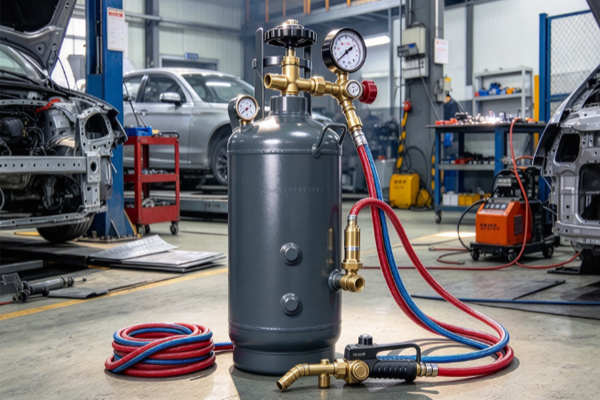
Why Do Auto Repair Shops Need Acetylene Cylinders? Which Repair Jobs Use Acetylene?
Automotive repair covers a wide range of services. Acetylene cylinders are primarily used for suitable gas welding and cutting applications, but not every repair job requires them. Workshops that regularly handle steel components, exhaust system parts, or metal brackets may need a reliable and compatible gas supply for specific tasks. Identifying the intended applications before buying helps you select an appropriate cylinder and avoid compatibility issues with existing equipment.
What Are the Common Uses of Acetylene Cylinders in Auto Repair Shops?
Reviewing typical repair jobs can help determine whether an acetylene cylinder is suitable for your workshop’s services.
- Steel exhaust component repairs: Specialized gas-cutting equipment may be required to remove or cut certain metal components.
- Chassis brackets and connectors: Steel components suitable for gas welding or cutting may require an acetylene supply.
- Automotive metal parts: Repairing or replacing certain steel brackets and metal accessories may involve heating or cutting.
Tire servicing, oil changes, and automotive electronics repairs generally do not require acetylene cylinders. Once the intended applications are clear, you can compare cylinder specifications and equipment requirements to narrow down suitable products.
Acetylene Cylinder Applications and Buying Requirements for Auto Repair Shops
Different repair services have different gas consumption patterns. When comparing cylinders, consider the equipment and product information relevant to each type of work.
| Auto Repair Service | Potential Applications | What to Check When Buying an Acetylene Cylinder |
| Exhaust system repairs | Cutting or removing certain steel components | Cylinder specifications and compatible cutting equipment |
| Chassis metal repairs | Working on steel brackets and connectors | Equipment compatibility and actual gas demand |
| Steel automotive parts repairs | Suitable metal cutting and welding tasks | Product specifications and operating conditions |
| General auto repair | Occasional metal repair work | Usage frequency, gas replenishment, and storage conditions |
| Dedicated metal repair workshops | Frequent metal fabrication and repair | Total gas demand and replenishment arrangements |
Once the intended applications are clear, you can compare suitable acetylene cylinder models. If you are unsure which specifications your existing equipment requires, prepare its model numbers and technical requirements before contacting the sales team.
How to Choose an Acetylene Cylinder for an Auto Repair Shop: Specifications, Price, and Long-Term Costs
A cost-effective acetylene cylinder is not necessarily the cheapest product. It is one that has suitable specifications, works with compatible equipment, and offers manageable long-term operating costs. A small repair shop may use acetylene only for occasional jobs, while a larger workshop may need to replenish its gas supply more frequently. Before purchasing, check the product nameplate and technical documentation, confirm the intended operating conditions, and account for transportation, gas replenishment, and maintenance in your budget.
Which Acetylene Cylinder Specifications Should You Compare?
The following information can help you evaluate different models and determine which products may suit your workshop.
| Product Comparison Item | Information to Confirm | Why It Matters |
| Cylinder specifications | Capacity, model, and nameplate details | Helps determine suitability for everyday use |
| Technical parameters | Manufacturer-rated specifications and operating conditions | Confirms compatibility with intended applications |
| Valves and connections | Connection specifications and equipment requirements | Helps prevent installation and compatibility problems |
| Product documentation | Applicable inspection records, certifications, and technical documents | Helps verify compliance with relevant requirements |
| Supply arrangements | Dispatch time, transportation, and gas replenishment options | Helps plan gas availability and inventory |
| Maintenance support | Inspection requirements, maintenance instructions, and spare parts availability | Helps estimate ongoing costs |
Cylinder specifications, technical requirements, and prices vary by model and product conditions. Confirm the final details through product documentation and an actual quotation. When requesting a quote, provide your required specifications, intended applications, and existing equipment details to receive more relevant product recommendations.
What Acetylene Cylinder Size Is Suitable for a Small Auto Repair Shop?
If acetylene is used only for occasional metal repairs, selection should focus on actual usage frequency, storage conditions, and the availability of gas replenishment. Workshops that carry out metalworking more regularly should have qualified professionals calculate the total gas demand of their connected equipment rather than estimating requirements solely from the number of repair bays.
Before requesting a quote, prepare these three details:
- The types of gas welding or cutting jobs performed and how frequently they occur.
- The models, connection requirements, and technical specifications of existing equipment.
- The planned cylinder storage location, transportation conditions, and gas replenishment arrangements.
Having this information ready makes product comparisons more efficient and reduces the risk of choosing an unsuitable model. If any technical requirements are unclear, ask a qualified professional to verify them.
What Equipment Is Needed with an Acetylene Cylinder? Matching Regulators, Hoses, and Torches
When purchasing an acetylene cylinder, the cylinder itself is only part of the setup. Actual use may also require a suitable regulator, hoses, connectors, and compatible gas welding or cutting equipment. Every component must meet the system design and manufacturer requirements. For auto repair shops, checking compatibility before ordering is much easier than discovering after delivery that the equipment cannot be connected properly.
What Accessories Should You Check Before Buying an Acetylene Cylinder?
Before requesting a quote or replacing a cylinder, gather the technical information for your existing equipment and check the following items:
- Regulator: Confirm that its specifications and operating pressure requirements are suitable.
- Hoses and connectors: Verify that they are designed for acetylene service and check for aging or damage.
- Gas welding and cutting equipment: Confirm that the equipment is suitable for the intended metalworking process.
If your existing equipment is old or its connection specifications are unclear, have qualified personnel verify compatibility before use. Selecting a suitable cylinder and ensuring that the supporting equipment is installed correctly helps meet actual workshop requirements.
What to Check Before Buying an Acetylene Cylinder: Reducing Future Operating Problems
Transportation, storage, and maintenance should be planned before an acetylene cylinder arrives. Auto repair shops should confirm that the product documentation is complete, check the applicable storage and inspection requirements, and arrange a compliant gas replenishment channel in advance. For workshops with limited budgets, clear product information and a practical supply plan can help reduce unexpected downtime and unnecessary expenses.
Before placing an order, check each of the following:
- Whether the model, size, and technical specifications meet your requirements.
- Whether the supporting equipment and connection requirements have been verified.
- Whether transportation, storage, and gas replenishment arrangements are practical.
- Whether the necessary product inspection, maintenance, and documentation requirements are covered.
Acetylene is a flammable gas. Cylinders must be transported, stored, and used in accordance with the manufacturer’s instructions and applicable local regulations. If a cylinder or any associated component shows signs of damage or abnormal conditions, stop using it and arrange an inspection by qualified personnel.
Choosing a cost-effective acetylene cylinder for an auto repair shop comes down to finding a product with suitable specifications, clear technical documentation, and compatible equipment requirements. Whether you operate a small repair shop or a workshop that frequently handles steel components, start with your actual gas demand, compare product specifications, and request details on suitable models and pricing. Confirming specifications, compatibility, and supply arrangements in advance makes the buying process more efficient and helps control long-term operating costs.