
Metal fabrication in automotive repair often involves cutting brackets, modifying exhaust pipes, and working on structural metal components. For workshops that use oxy-acetylene equipment, choosing the right acetylene cylinder affects equipment compatibility, cylinder replacement frequency, and daily workflow. A cylinder with insufficient capacity may interrupt work, while incompatible connections can create installation problems. When selecting an acetylene cylinder for automotive metal fabrication, it is important to consider product specifications, actual gas consumption, compatible equipment, and on-site safety conditions. The right solution helps workshops maintain a more consistent fuel supply and keep repair jobs moving.
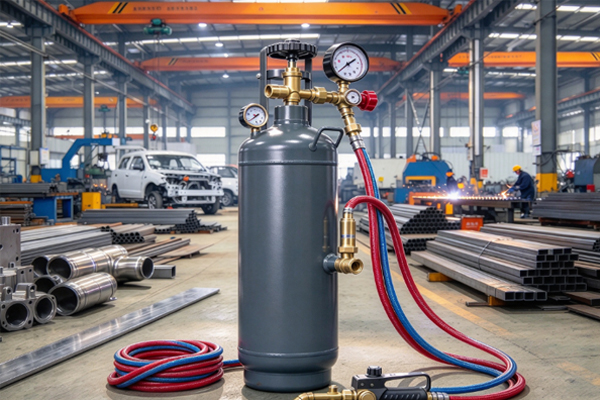
Why Are Acetylene Cylinders Used in Automotive Metal Fabrication?
Automotive metal fabrication includes body repairs, exhaust system maintenance, metal bracket fabrication, and component cutting. Some tasks require concentrated heat or flame cutting, and acetylene is commonly used with compatible oxy-acetylene welding and cutting equipment. Different materials have different heat input requirements, so technicians should confirm that the process is suitable before selecting a cylinder and related equipment.
What Are Acetylene Cylinders Used For?
Acetylene cylinders supply fuel for compatible oxy-acetylene equipment. Common applications include:
- Exhaust pipe repairs: Some metal components require heating or cutting as part of the repair process.
- Metal bracket fabrication: Suitable for metalworking tasks that support oxy-acetylene processes.
- Automotive component cutting: Used when both the material and equipment are suitable for oxy-acetylene cutting.
- Metalwork in repair shops: Supports selected maintenance tasks that require flame heating.
Vehicles use different metal materials and structural designs. High-strength steel, aluminum alloys, and thin body panels may have specific heat input requirements, so an acetylene flame is not suitable for every automotive component. Always check material properties and vehicle repair procedures before starting work.
Why Is a Reliable Gas Supply Important for Automotive Repairs?
During continuous cutting or metal fabrication, the gas supply must meet the equipment’s operating requirements. An unsuitable cylinder size may lead to more frequent replacements, while incompatible equipment can interfere with normal operation. For workshops that handle metal repairs every day, tracking gas consumption in advance is more convenient than arranging an unplanned cylinder replacement during a job.
How to Choose an Acetylene Cylinder for Automotive Repair?
Gas consumption in an automotive repair shop depends on the type of work, equipment specifications, and operating time. A workshop that occasionally repairs metal components has different cylinder capacity and replacement needs from one that performs cutting work every day. When choosing an acetylene cylinder, start with equipment consumption and actual working schedules rather than comparing cylinder appearance or price alone.
How Do You Choose the Right Acetylene Cylinder Capacity?
Cylinder capacity should match equipment requirements and actual gas consumption. The table below highlights key considerations for common automotive metal fabrication applications.
| Automotive Application | Typical Gas Usage | Key Selection Considerations |
| General metal repairs | Operating time varies | Cylinder specifications and storage conditions |
| Exhaust pipe fabrication | Some tasks require heating or cutting | Equipment consumption and job duration |
| Metal bracket repairs | May involve continuous work | Gas demand and replacement frequency |
| Automotive component cutting | Depends on material and torch specifications | Equipment requirements and cylinder configuration |
| Multi-bay repair workshop | Several tools may operate simultaneously | Total gas demand and backup planning |
When selecting a cylinder, check the rated gas consumption of the welding or cutting torch and record typical operating hours to estimate replacement intervals. The actual cylinder capacity and gas supply configuration must also comply with the equipment manufacturer’s requirements; the application alone is not enough to determine the correct size.
How Do You Match Acetylene Cylinder Connections?
An acetylene cylinder must be used with suitable regulators, hoses, fittings, and welding or cutting equipment. Connection specifications and operating requirements can vary, and similar-looking fittings are not necessarily interchangeable.
- Check that the cylinder valve and regulator have compatible specifications.
- Use hoses designed for acetylene service and the intended equipment.
- Inspect fittings for damage, wear, or other abnormalities.
A compatible gas supply setup supports more reliable operation. Never modify connections yourself or continue using damaged or unsuitable accessories.
How to Use Acetylene Cylinders Safely in Automotive Metal Fabrication?
Automotive repair areas may contain welding sparks, oil residue, fuel, batteries, and other combustible materials. Cylinder placement and hot-work procedures require particular care. Proper cylinder securing, adequate ventilation, and equipment inspections help reduce operating risks. A busy workshop should never skip essential safety steps to save time.
What Should You Check Before Using an Acetylene Cylinder?
Before each use, inspect the cylinder and related equipment in accordance with the product instructions and site safety requirements.
- Cylinder and valve: Look for visible damage or unusual conditions.
- Hoses and fittings: Check for cracks, wear, damage, or incorrect connections.
- Work area: Remove or control combustible materials and follow ventilation and hot-work protection requirements.
- Cylinder positioning: Keep the cylinder upright and secured against tipping as required.
If a leak is suspected, stop work and follow the site’s emergency procedures. Never use an open flame to check for leaks or attempt to dismantle or repair the cylinder valve yourself.
How Should Acetylene Cylinders Be Stored?
Store cylinders in a well-ventilated location that complies with local regulations, away from heat sources and ignition hazards as required by applicable safety rules. Secure the cylinders against tipping and protect them from impacts involving vehicles, metal components, or other equipment. Cylinder handling, connection, and replacement should be carried out by appropriately trained personnel following established procedures.
How to Reduce Acetylene Cylinder Changes During Automotive Repairs?
For repair workshops that handle metal components every day, discovering that an acetylene cylinder is nearly empty in the middle of a job can disrupt the entire schedule. Recording gas consumption, tracking replacement intervals, and planning a suitable reserve supply make cylinder replenishment more predictable.
How Do You Estimate Acetylene Cylinder Replacement Intervals?
Keeping basic usage records helps workshops estimate how long their cylinders typically last.
| Record Item | Information to Track | Practical Benefit |
| Cylinder replacement date | Date and time of each change | Tracks replacement frequency |
| Operating hours | Actual daily equipment usage time | Helps estimate routine gas demand |
| Equipment usage | Torches used and types of work performed | Identifies differences in consumption between tasks |
| Backup inventory | Number of available spare cylinders | Supports advance replenishment planning |
After keeping records for a while, a workshop can identify its regular gas consumption patterns more clearly. Businesses with higher gas demand can schedule replenishment in advance instead of allowing cylinder shortages to interrupt repair work.
How Do You Choose the Right Acetylene Cylinder Product?
Choosing an acetylene cylinder for automotive metal fabrication involves more than selecting a suitable capacity. The cylinder must also match the equipment configuration and the conditions in which it will be used. Pay attention to the following points:
- Cylinder specifications: Confirm that the cylinder meets the requirements of the welding and cutting equipment.
- Accessory compatibility: Check that regulators, hoses, and fittings are suitable for the application.
- Usage frequency: Determine whether spare cylinders should be planned in advance.
- Storage conditions: Make sure the workshop has an appropriate storage area that complies with applicable requirements.
If you are looking for acetylene cylinders for exhaust pipe fabrication, metal bracket repairs, or general automotive workshop applications, explore our product models and specifications to compare cylinder dimensions, capacities, and compatible configurations.Contact us for product details, specifications, and a quotation. Find an acetylene cylinder solution that meets your automotive metal fabrication requirements and helps keep repair and fabrication work running smoothly.