
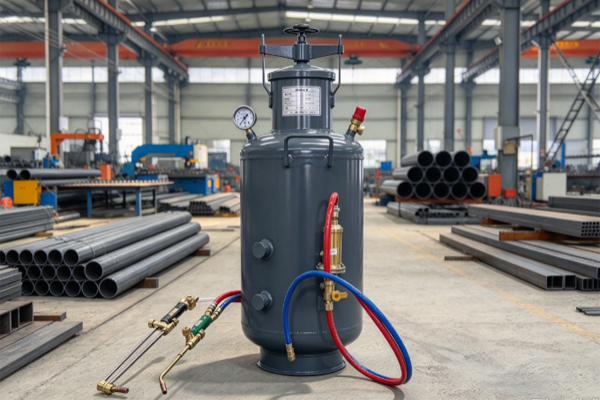
The biggest challenge in metal pipe cutting is not simply cutting a little slower. Uneven cut edges, pipe deformation, or discovering halfway through a job that the equipment is unsuitable can force workers to redo the work. Construction steel pipe fabrication, industrial pipeline modifications, and the removal of steel fittings all present different challenges. An acetylene generator tank can form part of a compatible acetylene equipment system, supplying fuel for flame-cutting processes that meet the required conditions. However, pipe material, wall thickness, cutting position, and operating time vary, so equipment configurations cannot be used interchangeably. Clearly identifying the actual cutting requirements and matching them with suitable equipment and a gas supply solution can help reduce downtime and unnecessary rework.
What Equipment Is Used for Metal Pipe Cutting? Which Steel Pipes Are Suitable for Oxy-Acetylene Cutting?
Metal pipes include thin-wall tubes, thick-wall steel pipes, large-diameter pipes, and various shaped fittings. Each type presents different cutting challenges. Batch fabrication focuses on consistent cut quality, while old pipe removal requires careful attention to site conditions. Thick-wall pipe cutting also demands equipment with sufficient rated capability. Oxy-acetylene cutting is suitable for certain carbon steel pipes when the material and process meet the required conditions, but it is not a universal solution for every metal.
What Is the Difference Between Cutting Thin-Wall and Thick-Wall Steel Pipes?
When cutting thin-wall pipes, operators need to control cut quality and heat input to avoid unnecessary deformation. Thick-wall steel pipes require greater attention to cutting equipment capacity, pipe support, and process requirements. For large-diameter pipes, the cutting position and available working space also matter. Wall thickness alone is not enough to determine the right method.
- Thin-wall steel pipes: Pay attention to clean cut edges and avoid unnecessary heat-related distortion.
- Thick-wall steel pipes: Confirm that the cutting equipment is rated for the job. Increasing pressure arbitrarily cannot compensate for insufficient equipment capacity.
- Large-diameter pipes: Plan suitable supports, secure the pipe, and provide enough space for operators.
- Removal of old steel pipes: Check the pipe contents, residual substances, and hot-work conditions before cutting.
For batch fabrication, testing the process on representative pipe material in advance can help confirm its suitability. If pipes carry flammable gases, oil, or chemical substances, qualified personnel must complete the required isolation, cleaning, testing, and work-permit procedures. Never cut a pipeline that has not been made safe.
Should You Choose Oxy-Acetylene or Plasma Cutting for Metal Pipes?
If the main materials are carbon steel pipes suitable for oxy-fuel cutting, oxy-acetylene equipment may be worth considering. For stainless steel, aluminum alloys, and other conductive metals, alternative processes may be more appropriate. Cutting accuracy, material thickness, equipment costs, and on-site power availability should all be considered rather than comparing cutting speed alone.
How Can You Reduce Uneven Pipe Cuts and Rework?
Cut quality directly affects subsequent pipe fitting, welding, and installation. Angled cuts, edge defects, or localized overheating can increase finishing time. For workshops handling batch pipe fabrication, establishing a reliable pipe-support method, cutting reference, and machining allowance in advance is often more efficient than correcting every cut afterward. An acetylene generator tank supports the fuel requirements of a compatible equipment system, but cut quality also depends on the cutting equipment, process, and operator skills.
How Should You Prepare Steel Pipes Before Cutting?
The longer and larger the pipe, the more important proper support and securing become. Before cutting, confirm the dimensions, mark the cutting line, and check that the work area is safe.
- Measure the pipe and clearly mark the intended cutting position.
- Use suitable supports and clamps to prevent the pipe from rolling or shifting during cutting.
- Check that the cutting torch, oxygen system, and related pipelines meet the equipment requirements.
- Remove unnecessary combustible materials from the work area and prepare the required fire-protection equipment.
After preparing the pipe, make sure the cut sections can be placed safely without rolling or falling. Inspecting the cut face and dimensions after cutting also helps identify process problems early and reduces rework during assembly.
Why Does Steel Pipe Cutting Sometimes Stop Halfway Through?
Interrupted cutting may result from an unsuitable nozzle, abnormal equipment conditions, an inadequate gas supply, or incorrect operating methods. If cutting becomes difficult, stop the operation and inspect the equipment in accordance with the manufacturer’s instructions. Do not modify the equipment or operate it beyond its rated parameters. If the material is unsuitable for oxy-fuel cutting, select a more appropriate process.
How Should an Acetylene Generator Tank Work with Pipe-Cutting Equipment?
One practical issue is often overlooked when purchasing an acetylene generator tank: the tank itself is not a complete cutting system. Different products may be acetylene-generation equipment, storage units, or other auxiliary equipment, and their functions are not interchangeable. Confirm the product category first, then check its connection requirements, rated parameters, and installation conditions against the cutting equipment.
What Information Should You Check Before Buying an Acetylene Generator Tank?
| Actual Fabrication Requirement | Information to Provide When Requesting a Quote | What to Verify |
| Routine steel pipe cutting | Pipe material, common wall thickness, and operating hours | Process suitability |
| Thick-wall pipe fabrication | Pipe specifications and existing cutting equipment model | Rated equipment capability |
| Multiple workstations | Number of machines operating simultaneously and expected gas demand | System compatibility |
| On-site pipeline repairs | Working environment, installation conditions, and transportation requirements | Site safety and application suitability |
This information helps technical personnel assess whether a product meets the actual requirements. For acetylene-generation equipment, check the rated gas-generation capacity, operating conditions, and applicable safety requirements. For other types of tanks, confirm the specifications according to their intended design and use.
Is a Larger Acetylene Generator Tank Always Better?
Not necessarily. Equipment specifications should match the actual process and system requirements. Simply increasing capacity will not necessarily solve poor cutting performance or equipment incompatibility. Before choosing a model, organize information about daily cutting tasks, operating hours, and existing equipment, then review the product specifications. Any equipment modification, system connection, or parameter adjustment should be handled by appropriately qualified personnel.
How Should You Plan Gas Supply and Safe Operations at a Pipe-Cutting Site?
Fixed fabrication workshops and construction sites have very different working conditions. A workshop can plan equipment placement, pipe supports, and work routes in advance. On-site repairs require additional consideration of ventilation, nearby personnel, combustible materials, and equipment transportation. Acetylene equipment must be installed and operated in accordance with the product instructions and applicable local regulations. Convenience and efficiency should never come at the expense of safety.
How Can You Reduce Downtime During Long Cutting Jobs?
Before extended operations, check equipment condition, expected gas consumption, and replenishment arrangements. For workshops with multiple workstations, confirm that the system is designed to meet simultaneous gas demand. The specifications of a single machine cannot automatically establish the capability of the entire system.
- Plan the day’s cutting tasks and estimate the number of pipes to be processed.
- Inspect equipment and accessories according to the manufacturer’s instructions.
- Schedule compliant gas replenishment and equipment maintenance.
- Keep records of abnormal conditions to support future troubleshooting.
What Should You Know About Routine Maintenance of Pipe-Cutting Equipment?
Maintenance tasks and intervals should follow the equipment manual. If a leak is suspected, unusual noises occur, components are damaged, or operating conditions become abnormal, stop work and follow the required procedures. Acetylene equipment must be operated by trained personnel, and open flames must never be used to check for leaks. Work on in-service pipelines or pipes containing hazardous substances also requires a professional risk assessment and the appropriate hot-work permit.
For metal pipe fabrication businesses, an effective acetylene generator tank solution involves more than selecting a tank. The product’s intended use, cutting process, and compatible equipment must work together. If you are looking for an acetylene generator tank for metal pipe cutting, contact us for product types, specifications, accessory requirements, and pricing. Providing details about your common pipe materials and existing equipment will help us assess suitable configurations and reduce the time and costs associated with choosing incompatible equipment.