
A car exhaust pipe may look like a simple metal tube, but repairing or replacing it is not always straightforward. Exhaust pipes are constantly exposed to high temperatures, moisture, and corrosive exhaust gases. Over time, they can develop rust, leaks, loose connections, and cracked welds. When an exhaust pipe is too damaged to repair, technicians need to cut away the old section before installing a replacement pipe or connector.For auto repair shops, exhaust pipe processing workshops, and automotive parts manufacturers, acetylene is an important gas used in metal cutting operations. When cutting jobs are performed every day, relying on purchased acetylene cylinders can increase operating expenses and create additional transportation and replacement work. A mobile acetylene generator provides another option by producing gas on-site, making it suitable for businesses with regular gas consumption.
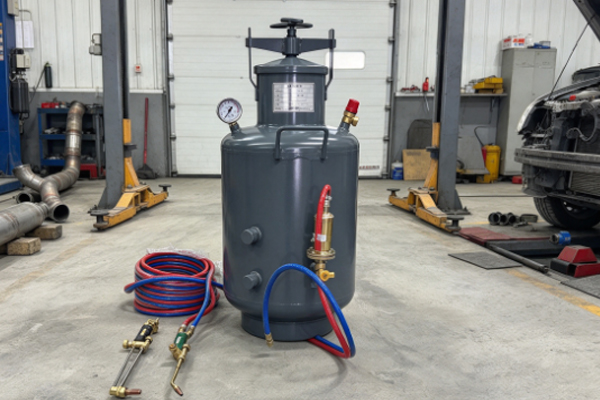
Why Is an Acetylene Generator Needed for Automotive Exhaust Pipe Cutting?
Automotive exhaust pipes are commonly made from stainless steel, carbon steel, and other metal materials. Different vehicle models also have different pipe diameters, bends, and installation positions. During repairs, technicians often need to remove old pipe sections, cut damaged connections, or adjust pipe lengths to fit the exhaust system.
Cutting Rusty Automotive Exhaust Pipes
After years of driving, exhaust pipes are exposed to moisture, road dirt, and high temperatures. Rust often develops around joints and welded sections. When the damaged pipe can no longer be used, the affected section needs to be cut off before replacement.
Exhaust Pipe Modification and Size Adjustment
When modifying an automotive exhaust system, technicians may need to change pipe lengths, connection positions, or branch structures. Cutting equipment helps remove excess metal and prepare pipes for further processing.
Continuous Gas Demand in Exhaust Pipe Workshops
- Cutting metal pipes into different lengths for production.
- Processing exhaust pipe joints and connecting components.
- Removing old pipe sections during vehicle repairs.
For workshops handling these jobs every day, acetylene cylinders can be consumed quickly. Maintaining a reliable gas supply also becomes an ongoing operating expense.
What Are the Advantages of a Mobile Acetylene Generator Over Acetylene Cylinders?
For automotive repair businesses, acetylene cylinders have one obvious advantage: they are readily available and can be connected directly to cutting equipment. However, when metal pipes need to be cut every day, repeatedly purchasing and transporting cylinders increases operating costs. A mobile acetylene generator produces acetylene on-site through a chemical reaction between calcium carbide and water, reducing dependence on pre-filled gas cylinders.
On-Site Gas Production Without Frequent Cylinder Replacement
Traditional acetylene cylinders must be purchased in advance. Once empty, they need to be transported to a filling station for refilling. A mobile acetylene generator produces gas on-site by adding the required raw materials and water according to the equipment instructions. It is particularly useful for repair workshops without convenient access to gas filling stations.
Lower Long-Term Gas Supply Costs
The actual cost of purchasing acetylene cylinders usually includes gas purchase prices, filling charges, acetone losses, cylinder depreciation, periodic inspections, and transportation.
| Cost Item | Acetylene Cylinders | Mobile Acetylene Generator |
| Gas supply | Purchased pre-filled gas | On-site gas production |
| Transportation | Repeated empty and full cylinder deliveries | Mainly equipment and raw material transportation |
| Daily expenses | Filling and delivery costs | Calcium carbide and equipment maintenance |
| Long-term use | Ongoing cylinder circulation expenses | Reduced cylinder-related costs |
For automotive processing workshops with continuous gas consumption, a mobile acetylene generator may reduce overall operating costs by 40%–60%. Actual savings depend on local raw material prices and gas consumption.
Automatic Gas Production Adjustment with Less Manual Work
The equipment uses a water-displacement operating principle. When internal acetylene pressure increases, water moves into a separate storage tank, stopping the chemical reaction. As gas is consumed and pressure decreases, water returns to the reaction area and gas production resumes. This automatic adjustment reduces the need for frequent manual starting and stopping.
What Accessories and Features Does an Acetylene Generator Offer for Exhaust Pipe Processing?
When purchasing equipment, automotive repair shops and processing businesses usually want to know whether the accessories are complete, whether pressure protection is reliable, and whether maintenance is convenient. This mobile acetylene generator comes with commonly used welding and cutting tools, helping reduce the need for additional accessory purchases.
What Accessories Are Included?
The standard equipment package includes:
- 1 welding torch and 1 cutting torch.
- 10 meters of dual-color hose for connecting operating tools.
- 1 filter for gas treatment.
- 1 pressure gauge for monitoring operating pressure.
- 1 annealed fusible plug and 1 safety pressure relief valve.
How Does the Automatic Pressure Relief Function Work?
The equipment is fitted with pressure monitoring and an automatic pressure relief structure. When the specified protection conditions are reached, the system can automatically release excess pressure. The actual pressure settings and operating limits should follow the equipment nameplate and official technical documentation.
What Are the Service Life and Warranty?
The equipment comes with a 2-year warranty. Under specified operating and maintenance conditions, its designed service life can reach 6–8 years. For businesses involved in long-term automotive exhaust pipe processing, a longer service life helps spread the initial equipment investment over more years of operation.
Should Automotive Repair Shops Choose an Acetylene Generator or Acetylene Cylinders?
If an automotive repair shop only handles a few exhaust pipe cutting jobs each day and has convenient access to an acetylene filling station, purchasing gas cylinders may be more practical. There is no need to invest in additional gas generation equipment. However, businesses that regularly process exhaust pipes and automotive metal tubing, with stable daily gas consumption, should consider a mobile acetylene generator. Industrial calcium carbide has a reference gas yield of approximately 285–300 liters per kilogram, although actual output depends on raw material quality and equipment operating conditions. For workshops with high gas demand and limited access to filling stations, on-site gas production can reduce cylinder purchasing, transportation, and circulation expenses. For short-term projects or occasional cutting jobs, acetylene cylinders may still be the more suitable option.
Looking for an acetylene generator for automotive exhaust pipe cutting? Contact us for a quotation. We can recommend a suitable model based on your daily gas consumption, working environment, and expected order quantity. Simply provide your destination country, destination port, and planned purchase quantity, and we will calculate the equipment price and shipping costs to help you find a gas supply solution that fits your production and repair needs.