
Hardware valve manufacturing is a typical metalworking industry. During the production of valve bodies, bonnets, flanges, fittings, and connectors, factories may need gas for cutting, welding, localized heating, and equipment maintenance. For manufacturers with daily production tasks, acetylene supply cannot always depend on last-minute arrangements. If there is no nearby acetylene filling station, purchasing cylinders, waiting for deliveries, and returning empty cylinders can increase operating expenses. A mobile acetylene generator can produce acetylene on-site using calcium carbide and water, reducing reliance on external filling services. For companies in the Hardware Industry with high gas consumption and long production cycles, this is a practical supply solution worth considering.
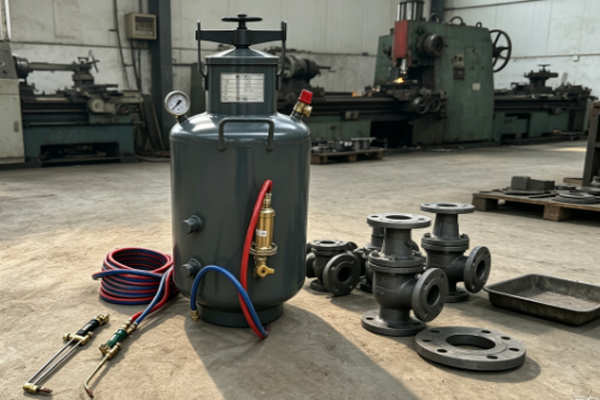
Is Acetylene Used in Hardware Valve Manufacturing? What Are Its Common Applications?
Hardware valve parts are manufactured through various processes. Turning, milling, and drilling mainly rely on machine tools, while certain metal cutting, welding, and maintenance operations may require acetylene. Acetylene is commonly used with oxygen in suitable gas welding and cutting applications. Whether it is appropriate depends on the metal material, workpiece thickness, and specific production requirements.
Which Hardware Valve Manufacturing Processes Use Acetylene?
- Valve body cutting: Some carbon steel valve blanks require cutting, edge trimming, or the removal of excess metal.
- Flange welding: Certain suitable metal joining processes may use an acetylene flame.
- Valve maintenance: Removing old valves, replacing metal components, and repairing equipment may involve gas cutting.
- Localized heating: Some metal parts require localized heating, depending on the manufacturing process.
- Tooling maintenance: Repairing fixtures, metal brackets, and production equipment may also require acetylene.
How Much Acetylene Does a Hardware Factory Need Each Day?
When purchasing equipment, factories should not estimate gas consumption based only on the number of employees or machines. Actual acetylene consumption is closely related to operating hours and how frequently welding torches and cutting torches are used. It is helpful to record production data in advance:
- The actual number of hours acetylene is used each day.
- The number of welding and cutting torches operating at the same time.
- The number of parts that need cutting or welding daily.
- Whether the factory has night shifts, overtime, or periods of concentrated production.
These figures help determine the required gas output capacity and reduce the risk of purchasing equipment that produces too little or more gas than the factory needs.
What Is the Difference Between a Mobile Acetylene Generator and an Acetylene Cylinder?
Many Hardware Industry companies are accustomed to purchasing prefilled acetylene cylinders, but this method depends on nearby filling stations. If a factory has convenient and reliable access to cylinder refilling, cylinders are practical for short-term or low-volume use. However, when acetylene is needed every day and the nearest filling station is far away, cylinder delivery and replacement can become an ongoing burden. A mobile acetylene generator produces gas on-site, reducing the need to repeatedly purchase and transport prefilled cylinders.
Acetylene Cylinders vs. On-Site Acetylene Generators
| Comparison | Acetylene Cylinders | Mobile Acetylene Generator |
| Gas source | Prefilled at a filling station | Produced on-site |
| Daily replenishment | Cylinders must be replaced or refilled | Calcium carbide and water are supplied as required |
| Transportation | Full and empty cylinders need to be transported | Reduces repeated trips to filling stations |
| Initial investment | Requires cylinders and spare cylinders | Requires purchasing generator equipment |
| Daily management | Cylinder inspection, storage, and rotation | Equipment operation, raw material management, and maintenance |
| Suitable applications | Short-term and occasional use | Long-term, continuous, high-volume use |
How Does a Mobile Acetylene Generator Work?
The equipment produces acetylene through a chemical reaction between industrial calcium carbide and water. The generated gas is then delivered through designated piping to compatible welding or cutting torches.
The generator uses a water-displacement operating principle. When the internal gas pressure rises, water moves into a separate storage tank, separating it from the reaction material and stopping gas production. When gas is consumed and the pressure drops, water returns according to the equipment’s design, contacts the reaction material again, and allows gas production to resume.
This operating method can reduce the need for frequent manual intervention and is suitable for locations with ongoing gas demand. However, the equipment must be operated with the specified raw materials and conditions stated in its technical documentation. Users must not add unauthorized gas outlets or change operating parameters.
How Much Does a Mobile Acetylene Generator Cost, and How Much Can It Save Over Time?
The purchase price of an acetylene generator is generally affected by its gas output capacity, design, included accessories, and transportation requirements. Factories should also calculate ongoing raw material and maintenance expenses. Traditional cylinders do not require the purchase of a generator, but every refill comes with a cost. Long-term expenses may also include cylinder inspections, acetone loss, depreciation, and transportation. These costs are particularly important for factories located far from filling stations.
What Are the Main Costs of a Mobile Acetylene Generator?
- Equipment purchase: Depends on the equipment specifications, gas output capacity, and included components.
- Calcium carbide: Raw material quality, local prices, and transportation distance all affect operating costs.
- Routine maintenance: Includes equipment inspections and maintenance carried out according to the operating manual.
- Labor and management: Trained personnel are required for operation and routine management.
- Transportation: Shipping, packaging, and delivery to the destination affect the final landed cost.
How Much Acetylene Can One Ton of Calcium Carbide Produce?
The reference gas yield of industrial calcium carbide is approximately 285–300 L/kg. Based on this theoretical figure, one metric ton of calcium carbide can produce around 280–300 m³ of acetylene. Actual output depends on raw material quality, equipment efficiency, and operating conditions.
| Calculation Item | Reference Data |
| Industrial calcium carbide gas yield | Approximately 285–300 L/kg |
| Theoretical output from 1 metric ton | Approximately 280–300 m³ |
| Main raw materials | Industrial calcium carbide and water that meet equipment requirements |
| Factors affecting actual costs | Calcium carbide prices, transportation, equipment efficiency, and gas consumption |
Which Businesses Benefit Most from Using an Acetylene Generator?
On-site gas production can offer significant value when a factory has regular welding and cutting work but lacks convenient access to an acetylene filling station. Under suitable conditions, long-term projects may reduce total operating costs by approximately 40%–60%. However, actual savings must be calculated using the factory’s own operating data.
- Valve manufacturers: Long production cycles and consistent daily gas demand.
- Hardware parts manufacturers: Ongoing metal cutting and welding operations.
- Remote industrial facilities: Long cylinder delivery distances and high transportation costs.
- Large infrastructure projects: High gas consumption and frequent cylinder replacement requirements.
If a factory only has short-term projects, uses acetylene occasionally, or has several filling stations nearby, traditional cylinders may be more practical. They avoid the initial investment and management requirements of generator equipment.
What Equipment Configuration and Standard Accessories Does a Hardware Factory Need?
When purchasing a mobile acetylene generator, factories should look beyond the equipment price. It is important to confirm whether the gas output capacity meets daily production needs and which accessories are included in the package. A standard set may include one welding torch, one cutting torch, 10 meters of dual-color hose, one annealed fusible plug, one filter, one pressure gauge, and one safety relief valve. Actual specifications and quantities should be confirmed against the final supply list.
What Equipment Information Should Be Provided Before Purchasing?
- Estimated daily acetylene consumption.
- Planned operating hours per day.
- Whether multiple gas-consuming tools need to operate simultaneously.
- Factory delivery address, destination country, and destination port.
- Planned purchase quantity and whether additional units may be needed later.
What Are the Operating Environment Requirements?
Acetylene is highly flammable, so the equipment must be operated by trained personnel and placed in a suitably ventilated area away from ignition sources and unsuitable working environments. Pipes, pressure gauges, and safety protection devices should be inspected regularly. Working pressure and pressure-relief settings must follow the equipment nameplate and technical documentation. Safety devices must never be adjusted without authorization.
The equipment comes with a two-year warranty. Under the specified operating and maintenance conditions, its designed service life can reach 6–8 years.
For hardware valve manufacturers with long-term production schedules, the gas supply method affects both operating costs and production planning. If the factory is located far from an acetylene filling station or consumes large quantities of acetylene for metalworking every day, a mobile acetylene generator can help reduce cylinder turnover and long-distance delivery expenses. Contact us with your destination country, destination port, planned purchase quantity, estimated daily gas consumption, and operating hours. We can help calculate the suitable equipment capacity, product price, and shipping costs.