
For artisans working in metal fabrication, equipment maintenance, and handcrafting, repair jobs often come up unexpectedly. Metal brackets may need cutting, steel parts may require heating, or equipment connections may need adjustment. These tasks may call for suitable gas equipment. Acetylene cylinders supply fuel for compatible oxy-acetylene equipment and can be used for metal cutting, heating, and repair work when the process and equipment are appropriate. When choosing a cylinder, many users want to know whether its capacity is sufficient, whether it will work with their existing tools, and whether transportation and routine inspections are manageable. Understanding these requirements in advance helps artisans choose an acetylene cylinder that better suits their actual work.
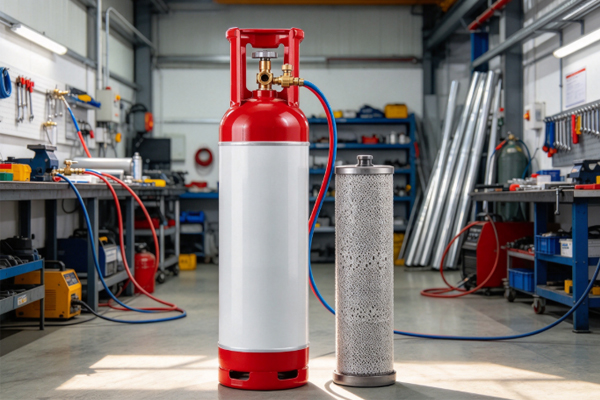
Which Acetylene Cylinder Is Suitable for Artisan Repairs?
Artisan repair work takes place in different settings, from metalworking workshops to maintenance stations where steel brackets and metal frames need attention. Gas consumption, equipment configurations, and operating frequency can vary significantly between jobs. When choosing an acetylene cylinder, it is important to look beyond appearance and price. The cylinder specifications must meet the equipment requirements, and the worksite must provide suitable conditions for safe operation.
What Repair Jobs Can Use Acetylene Cylinders?
Acetylene is commonly used with compatible oxy-acetylene equipment. Whether it is suitable for a particular repair depends on the material, processing method, and worksite conditions.
- Metal component repairs: Suitable for heating or cutting certain steel components when the process requirements are met.
- Removing and finishing steel brackets and connecting parts.
- Repairing metalworking tools and related equipment.
Aluminum alloys, stainless steel, and specially heat-treated components may require different processing methods. For load-bearing parts or safety-critical structures, follow the manufacturer’s repair instructions rather than cutting components simply for convenience.
How Do You Choose the Right Acetylene Cylinder Capacity?
Cylinder capacity should match actual gas consumption and equipment requirements. Occasional, short repair jobs have different gas supply needs from daily metalworking operations. Before purchasing, consider how frequently the equipment will be used and how much gas the tools consume to help identify a suitable cylinder size.
| Repair Frequency | What to Consider | Gas Supply Recommendation |
| Occasional repairs on small steel parts | Equipment requirements and job duration | Check compliant cylinder specifications and compatibility |
| Frequent metal cutting or heating | Tool gas consumption and daily operating hours | Estimate supply needs based on actual usage |
| Heavy repair workloads | Working hours and ease of gas replenishment | Plan cylinder replacement or replenishment in advance |
| Repairs at different locations | Transportation and worksite conditions | Choose a configuration that can be transported and secured safely |
Actual cylinder operating time depends on equipment consumption, working hours, and operating conditions. Capacity alone is not enough to determine how long a cylinder will last. Providing the existing tool model and expected usage frequency makes it easier to confirm suitable specifications.
How Do You Connect an Acetylene Cylinder to Repair Equipment?
An acetylene cylinder must be used with compatible pressure regulators, hoses, and flame-processing tools. When purchasing a cylinder, artisans sometimes overlook connection types, rated parameters, and accessory compatibility, only to discover that the equipment cannot be installed as expected after delivery. Checking the requirements of existing tools in advance can help reduce unnecessary accessory purchases and installation problems.
What Equipment Is Needed for an Acetylene Cylinder?
The required configuration depends on the processing method and equipment instructions. Common accessories and related equipment may include:
- A compatible pressure regulator and connection fittings.
- Suitable acetylene hoses and flame-processing tools.
- An oxygen supply when required by the process.
- Personal protective equipment and fire protection equipment appropriate for the worksite.
Connection types and operating parameters vary between equipment models. Components should never be connected simply because their fittings look similar. All parts must meet the manufacturer’s requirements, and installation and inspection should be carried out by trained personnel.
What Gas Supply Setup Is Needed for Different Repair Jobs?
Different repair tasks require different tools and gas supply arrangements. Before purchasing equipment, compare the planned work with the information that needs to be verified.
| Repair Application | Equipment Requirements to Check | Information to Prepare |
| Cutting steel components | Cutting tool specifications and gas requirements | Material type and thickness range |
| Heating metal parts | Heating equipment and compatible accessories | Process requirements and equipment instructions |
| Routine workshop repairs | Usage frequency and gas replenishment arrangements | Estimated daily operating hours |
| Mobile repair work | Transportation, securing, and site protection requirements | Confirmation that the worksite meets safety requirements |
This checklist helps artisans organize their purchasing requirements more efficiently. If compatibility is uncertain, review the product’s technical specifications before selecting the cylinder model and accessories.
What Should You Do if Acetylene Gas Supply Is Unstable?
An abnormal flame or an interruption in gas supply does not necessarily mean the cylinder capacity is insufficient. Equipment compatibility, connection conditions, and operating procedures can all affect performance.
Stop work and inspect the connections, pressure regulator, and related accessories according to the equipment instructions. If you notice a suspected leak, damaged components, or other abnormalities, do not continue using the equipment or increase the pressure to improve the flame. If the cause cannot be identified safely, contact a qualified repair professional.
How Can Artisans Use Acetylene Cylinders Safely During Mobile Repairs?
Some artisans work at different stations or travel to repair sites, making cylinder transportation, placement, and worksite protection especially important. Acetylene is a flammable gas, so applicable transportation, storage, and hot-work requirements must be followed. Even when a repair is urgent, cutting or heating should not begin if the site does not meet the necessary safety conditions.
Can You Take an Acetylene Cylinder to an On-Site Repair Job?
Whether a cylinder can be used at a repair site depends on transportation requirements, site conditions, and the type of work being performed. The following preparations are essential:
- Transport the cylinder according to applicable requirements and secure it properly to prevent impact or tipping.
- Place it in a suitable, well-ventilated location.
- Remove nearby oil, dry grass, and other combustible materials, and implement the required hot-work precautions.
- Confirm that appropriate fire protection equipment and emergency arrangements are available.
After the repair, shut down the equipment and inspect the worksite according to the product instructions and applicable requirements. Handle the cylinder properly, and never use acetylene equipment in a space that does not meet the necessary safety conditions.
What Should You Check During Routine Acetylene Cylinder Inspections?
Before each use, inspect the cylinder exterior, valves, and connecting components for visible damage. Also confirm that the associated equipment is in proper condition. Cylinders must be handled by trained personnel and must not be modified or fitted with incompatible accessories. If a leak is suspected, stop work and follow the required emergency procedures. Never use an open flame to check for leaks.
For artisans who regularly carry out metal repairs, the right acetylene cylinder should meet the demands of the job and be compatible with existing equipment and working conditions. If you are looking for an acetylene cylinder for artisan repairs, contact us for product specifications, capacity options, and compatibility requirements. Share your repair application and equipment details so we can help identify suitable models and provide a quotation tailored to your needs.