
Welding work on construction sites is rarely limited to one fixed workstation. One day, workers may be welding steel structures, and the next they may need to repair metal pipes, brackets, or construction equipment. Many metalworking jobs cannot simply be sent back to a processing plant, especially when on-site adjustment or repair is needed. A suitable acetylene cylinder can provide a gas source for compatible welding, cutting, and heating equipment, giving workers more flexibility when handling metalwork on site. For the construction industry, small contractors, steel structure companies, and equipment maintenance teams often care about gas supply stability and whether the equipment is practical to move. Since acetylene is highly flammable, cylinder selection, transportation, storage, and operation must comply with local regulations and safety requirements.
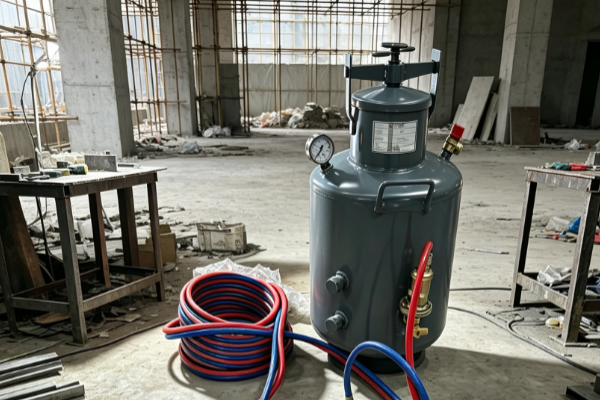
Why Do Construction Sites Need Acetylene Cylinders for Welding?
Construction sites change quickly, and welding jobs are often spread across different work areas. When metal brackets, connectors, or steel components need repair or adjustment, having a suitable gas supply nearby can save a lot of time. For the construction industry, an acetylene cylinder can support suitable welding and cutting equipment and make certain on-site metalworking jobs more convenient. This is especially useful for steel structure installation, metal frame fabrication, pipe work, and construction equipment maintenance.
Suitable for On-Site Metal Welding
Welding requirements on construction sites are often unpredictable. A metal component may need to be repaired during installation, or a bracket may need to be adjusted before the next construction step can continue.
- Welding and repairing steel structure components.
- Processing metal brackets and connectors.
- Repairing pipes and suitable metal components.
- Handling damaged metal parts on construction equipment.
The acetylene cylinder should be used together with a compatible regulator, hose, and welding or cutting equipment. Accessories should never be substituted simply for convenience.
The biggest advantage of on-site work is simple: when the job needs to be done, workers can handle suitable tasks without repeatedly waiting for equipment to be transported elsewhere.
How Should Construction Sites Choose Acetylene Cylinders?
Choosing an acetylene cylinder for a construction site is not just about capacity or price. Contractors need to consider daily gas consumption, how frequently the cylinders need to be moved, where they can be stored, and how filling and inspection will be handled later. On larger construction projects, welding teams may work in different areas at the same time. If the cylinder supply is poorly planned, transportation and replacement can become a real headache. Once the actual workload and site conditions are clear, choosing the right setup becomes much easier.
Plan the Number of Cylinders Around the Workload
Gas consumption varies considerably between projects. A steel structure installation project may require frequent welding and cutting, while a general building repair project may only use gas occasionally.
- Frequent welding: Prepare backup gas supplies to reduce interruptions.
- Regular maintenance: Consider actual usage frequency and cylinder replacement convenience.
- Temporary projects: Pay more attention to transportation, securing, and on-site storage.
There is no need to automatically choose the largest cylinder. What matters more is whether the configuration can keep up with the site’s actual work schedule.
What Should Buyers Confirm Before Purchasing?
For construction industry purchasing teams, these questions are often more useful than simply asking for a price:
| Question Buyers Care About | What to Confirm | What It Affects |
| What cylinder size is suitable? | Actual gas consumption and working frequency | Replacement frequency and backup planning |
| Can the cylinder be refilled? | Compliance with local regulations and inspection requirements | Whether it can enter an authorized filling process |
| What regulator should be used? | Compatibility with acetylene and the intended equipment | Proper operation of the gas supply system |
| Where can it be stored? | Securing, ventilation, and distance from heat sources | Daily safety management |
| Does it need frequent transportation? | Weight, handling method, and transportation requirements | Ease of use on site |
| How often does it need inspection? | Inspection intervals required by local regulations | Continued compliant use |
This list can also be used as a simple purchasing checklist. In particular, filling, inspection, and transportation requirements should be clarified before the cylinders arrive at the construction site.
How Should Acetylene Cylinders Be Stored and Used on Construction Sites?
Construction sites are rarely as organized as permanent workshops. Materials, vehicles, scaffolding, welding equipment, and other machinery may all be operating in the same area. If cylinders are simply left wherever it is convenient, they can obstruct access routes or be exposed to impact. Acetylene cylinders should be stored and operated in accordance with local safety regulations, with trained personnel responsible for their use.
Plan the Storage Location in Advance
Cylinders should be kept upright and securely fixed. The storage area should have suitable ventilation and be away from flames, heat sources, and areas where sparks may be generated.
- Do not place cylinders where welding sparks can easily reach them.
- Do not store them directly in routes used frequently by vehicles or construction machinery.
- Keep the storage area accessible for inspection and protected from unnecessary impact or other site hazards.
Construction sites often have limited space, so planning the storage location in advance makes daily handling much easier.
Inspect the Equipment Before Work Starts
Before welding each day, workers should check the cylinder, valve, regulator, hose, and connection points. If there is visible damage or a suspected leak, stop using the equipment and follow the site’s safety procedures.
Operating pressure should never be adjusted based purely on guesswork. The correct pressure should follow the requirements of the welding equipment manufacturer. Increasing pressure simply to produce a larger flame is not a safe practice.
What Are the Practical Acetylene Cylinder Needs on Construction Sites?
Different construction projects have very different working conditions. Steel structure projects may focus on continuous welding, equipment maintenance areas may need occasional cutting and repair, while small construction teams may care more about portability and simple cylinder management. Taking these practical differences into account can prevent a situation where the cylinders are purchased but prove inconvenient to use.
Steel Structure Construction
Steel beams, brackets, connectors, and other components may require welding and metal processing during installation. The gas supply should be accessible to qualified workers in an appropriate work area.
Pipe and Metal Component Repair
When pipes or metal components need repair during construction, professional workers may need suitable welding or cutting equipment to complete the required work on site.
Construction Equipment Maintenance
Construction machinery operates for long periods, and some metal components may eventually become worn or damaged. Where compliant repair facilities and qualified personnel are available, acetylene cylinders can be part of the gas supply setup for suitable welding and cutting equipment.
Each project has different requirements. Planning cylinder quantities around the actual construction schedule and gas consumption is much more practical than preparing a large number of cylinders simply to make the equipment list look complete.
How Can Acetylene Cylinders Be Easier to Manage on Construction Sites?
Equipment problems can quickly become construction delays. An empty cylinder, damaged hose, or incompatible regulator can leave workers waiting in the middle of a job. A practical approach is to prepare the cylinders, compatible accessories, and backup supply plan before the project begins, while keeping a simple record of gas consumption.
A few basic habits can make daily management easier:
- Inspect cylinders and connection components before every use.
- Set the operating pressure according to the equipment requirements.
- Check the valve and equipment condition after finishing work.
- Regularly confirm that cylinders remain within their required inspection period.
If cylinders need to be moved frequently around the site, transportation and handling should follow local requirements. Cylinders should never be dragged along the ground or moved using unsuitable methods.
For the construction industry, the purpose of an acetylene cylinder is straightforward: it provides a gas supply for suitable welding, cutting, and metal repair work. A useful setup does not mean having as many cylinders as possible. The cylinder specification should match the workload, accessories should be compatible, storage should be properly arranged, and filling and inspection should be managed continuously. When equipment causes fewer problems, workers can spend more time getting the actual construction work done.
Welding tasks on construction sites are closely connected to the project schedule. Steel structures, metal brackets, pipes, and construction equipment may all require gas-supported work at different stages. Choosing suitable acetylene cylinders and matching them with the correct regulators, hoses, and welding or cutting equipment can make qualified on-site work more flexible. Just as important, acetylene cylinder transportation, storage, filling, inspection, and operation must follow applicable local safety requirements. With these basics properly managed, acetylene cylinders can become a practical tool for construction work rather than an extra management burden.