
The truck chassis is one of the most important load-bearing structures of a vehicle, constantly subjected to cargo weight, road impacts, and stress caused by demanding operating conditions. When cracks, deformation, fractures, or localized damage occur, welding repair becomes one of the most effective restoration methods. Oxy-acetylene welding systems, which combine acetylene cylinders with oxygen equipment, are widely used for truck chassis repair, reinforcement, and modification due to their high flame temperature, mobility, and suitability for on-site operations. For repair workshops, fleet maintenance centers, and heavy equipment service facilities, properly configured acetylene cylinder systems can improve welding efficiency, ensure repair quality, and meet a wide range of chassis restoration requirements.
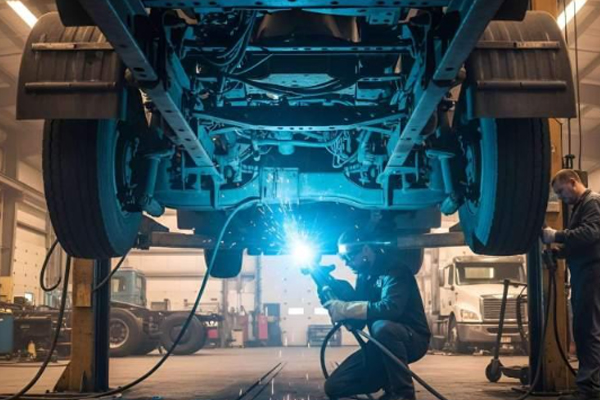
Working Principle of Acetylene Cylinders and Truck Chassis Welding Requirements
Acetylene cylinders are designed to store and deliver acetylene gas. During welding operations, acetylene is mixed with oxygen and ignited to generate a high-temperature flame. Oxy-acetylene flames can reach temperatures exceeding 3,000°C, rapidly heating metal materials and creating a molten weld pool for welding, cutting, and localized heating applications.
Truck chassis structures are typically manufactured from high-strength steel. Repair operations require substantial heat input to achieve strong and reliable welds. Tasks such as chassis crack repair, frame rail reinforcement, and crossmember connections demand a stable and consistent heat source. Acetylene cylinders provide a dependable fuel supply that supports uninterrupted welding operations.
Components of an Oxy-Acetylene Welding System
A complete truck chassis welding setup generally includes the following equipment:
- Acetylene cylinder
- Oxygen cylinder
- Pressure regulator
- Flashback arrestor
- Gas hose
- Welding torch
- Cutting torch
Together, these components form a stable gas supply system that delivers a continuous heat source for truck chassis repair and maintenance.
The Value of Acetylene Cylinders in Truck Chassis Repair
The truck repair industry places a strong emphasis on repair efficiency and workmanship quality. The faster a chassis can be repaired, the less downtime a vehicle experiences, reducing operational losses for fleet operators.
| Comparison Item | Acetylene Cylinder Welding | Conventional Electric Heating Assistance |
| Heating Speed | Fast | Slower |
| Flame Temperature | High | Limited |
| On-Site Adaptability | Excellent | Moderate |
| Mobility | High | Lower |
| Repair Efficiency | Higher | Average |
| Suitable Applications | Welding, Cutting, Heating | Heating Only |
With oxy-acetylene welding equipment, technicians can quickly repair chassis cracks and structural damage, minimizing vehicle downtime and improving workshop productivity.
How Acetylene Cylinders Improve Chassis Repair Efficiency
Acetylene cylinders play a vital role in daily truck maintenance and repair operations.
- Rapid preheating of cracked areas
- Improved weld fusion quality
- Support for continuous repair operations
- Reduced overall repair time
- Lower risk of repeat repairs
- Suitable for heavy-duty vehicle maintenance
- Increased workshop productivity
For fleet maintenance departments and large repair facilities, a reliable acetylene gas source helps ensure that repair projects are completed efficiently and on schedule.
Core Advantages of Using Acetylene Cylinders for Truck Chassis Welding
As the number of commercial vehicles on the road continues to grow, demand for chassis repair services remains strong. Acetylene cylinders continue to be widely used because of their proven performance and versatility.
Construction Benefits of High-Temperature Flames
Oxy-acetylene welding supports a variety of truck chassis repair applications.
- High-temperature flames suitable for thick steel components
- Excellent weld penetration performance
- Ideal for mobile repair operations
- Combines cutting and welding functions in one system
- Concentrated heat allows precise control
- Suitable for localized chassis straightening
- Supports complex structural repair projects
Truck chassis repair often requires heating, cutting, and welding to be performed during the same job. Oxy-acetylene systems can handle all of these tasks using a single equipment setup, improving operational flexibility on-site.
Welding Quality and Equipment Management Benefits
Modern acetylene cylinders are manufactured according to standardized safety requirements. When used together with pressure regulators and flashback arrestors, they provide a stable and dependable gas supply environment. Proper equipment operation minimizes pressure fluctuations that could affect weld quality, resulting in more uniform and consistent weld seams. Standardized equipment management also helps improve workshop efficiency and overall safety performance.
Application Scenarios and Operating Methods for Truck Chassis Welding Acetylene Cylinders
Acetylene cylinders are widely used not only in truck repair facilities but also in construction equipment maintenance, steel structure fabrication, and metal processing industries.
Common Application Scenarios
Typical applications include:
- Truck repair centers
- Fleet maintenance facilities
- Construction vehicle service stations
- Commercial vehicle modification workshops
- Metal fabrication shops
- Steel structure construction sites
- Heavy equipment maintenance workshops
Businesses can select appropriate cylinder sizes and specifications based on repair volume and daily gas consumption requirements.
Recommended Operating Practices for Acetylene Cylinders
Before use, technicians should inspect the cylinder exterior, valve condition, and gas hose connections to ensure proper operation. After installing the pressure regulator, gas pressure should be adjusted according to operating requirements to maintain a stable supply. Work areas should be well ventilated and kept away from combustible or explosive materials. After welding is completed, cylinder valves should be closed promptly, and routine equipment inspections should be performed to maintain long-term operational reliability.
As transportation and logistics industries continue to expand, truck chassis repair services require increasingly reliable welding solutions. Acetylene cylinders have become an important gas source for chassis repair due to their stable fuel supply, high-temperature flame output, and operational flexibility. By properly configuring acetylene cylinders, oxygen cylinders, and supporting accessories, repair facilities can improve welding efficiency, ensure repair quality, and provide dependable support for vehicle safety and long-term operation.