
Tractors, harvesters, and seeders often operate in demanding environments, where brackets, connectors, and steel structural parts may eventually need to be removed or replaced. When dealing with heavily rusted components or cutting steel to specific dimensions, repair technicians care about more than cutting speed. They also need to know whether the equipment is suitable, whether the gas supply will last, and whether repairs can be completed on time. Acetylene cylinders are commonly used as a fuel source for compatible oxy-acetylene cutting equipment, but cutting performance depends on more than the cylinder itself. Torch specifications, oxygen supply, metal type, and operating methods all affect the results. Choosing the right acetylene cylinder and compatible equipment helps make metal cutting during agricultural machinery repairs more reliable.
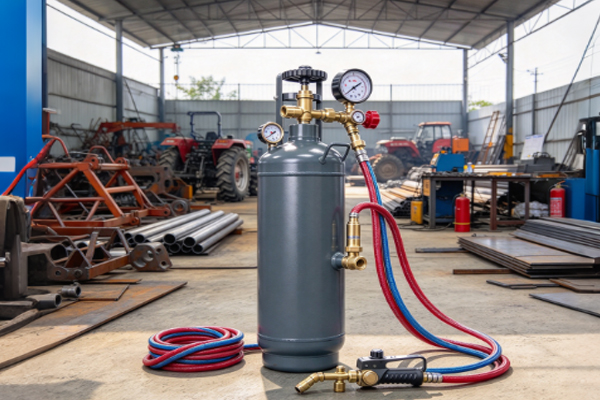
Which Gas Cylinder Is Suitable for Cutting Agricultural Machinery Parts?
Agricultural machinery repairs often involve steel brackets, connecting plates, and old metal components. After years of use, some parts may become severely rusted and difficult to remove, making cutting necessary. Acetylene cylinders can supply fuel for suitable oxy-acetylene cutting torches, but not every agricultural machinery component is suitable for flame cutting. The material, part structure, and repair requirements should be checked before work begins.
Which Agricultural Machinery Parts Can Be Cut with an Acetylene Cylinder?
Compatible oxy-acetylene equipment is commonly used to cut certain types of carbon steel. Whether it is suitable for a specific component depends on the material and the required cutting process.
- Steel tractor brackets: Suitable for structural parts that have been assessed and approved for flame cutting.
- Steel connecting plates and support components on certain harvesters.
- Old steel parts that need to be removed during agricultural machinery repairs.
Aluminum alloys, cast iron, high-strength steel, and components with special heat-treatment requirements cannot automatically be cut using standard steel-cutting methods. Load-bearing parts and safety-critical structures require particular care. Repair technicians should follow the manufacturer’s repair instructions to avoid changing material properties or weakening structural strength through cutting.
What Is the Difference Between Oxy-Acetylene Cutting and Plasma Cutting?
Acetylene is not the only option for agricultural machinery repairs. The most suitable equipment depends on the material, thickness, work location, and availability of electrical power.
| Comparison | Oxy-Acetylene Cutting | Plasma Cutting |
| Main materials | Suitable for steel that meets oxy-fuel cutting requirements | Can cut various conductive metals, depending on the equipment |
| Equipment requirements | Requires acetylene, oxygen, and compatible cutting equipment | Usually requires a plasma cutter and a power source |
| Outdoor repairs | Can be used when gas supply and hot-work safety conditions are suitable | Requires consideration of power availability and equipment mobility |
| Material compatibility | Not suitable for every type of metal | Can cut certain conductive materials, including some aluminum alloys and stainless steels |
| Key selection factor | Whether the material is suitable for oxy-acetylene cutting | Cutter capacity, material thickness, and power supply |
If a repair location lacks convenient electrical power but meets the requirements for safe cylinder storage and hot work, oxy-acetylene equipment may be suitable for certain tasks. For frequent work on aluminum or stainless steel, other processes, such as plasma cutting, may be worth considering. These two methods should not be compared on cutting speed alone.
What Size Acetylene Cylinder Is Needed for Cutting Thick Steel Plates on Agricultural Machinery?
As steel plate thickness increases, cutting equipment requirements generally become more demanding. Repair technicians may focus on cylinder size while overlooking torch specifications, oxygen supply, and the equipment’s rated gas consumption. A practical selection process starts by confirming the material and thickness range, checking the equipment requirements, and then estimating acetylene consumption during the planned work.
How Do You Determine the Right Acetylene Cylinder Capacity?
Different cutting tasks consume different amounts of gas. The table below can help organize typical workshop requirements.
| Cutting Task | Factors Affecting Gas Consumption | Key Selection Considerations |
| Occasional cutting of small steel parts | Short actual cutting time | Required cylinder specifications and ease of replacement |
| Cutting thicker steel structural components | Torch specifications, cutting conditions, and working time | Rated gas consumption and supply requirements |
| Concentrated repairs during the farming season | Longer daily operating hours | Actual daily consumption and replenishment schedule |
| Operating multiple cutting stations simultaneously | Number of machines in use at the same time | Total gas demand and a compliant supply setup |
Cylinder operating time should be estimated using the equipment’s gas consumption rate and actual working time. It cannot be reliably determined from the cylinder’s appearance or steel thickness alone. Cylinder specifications, working pressure, and compatible equipment must meet the manufacturer’s requirements. Never increase the pressure beyond the equipment’s rated limits to try to improve cutting speed.
Why Does Acetylene Cutting Sometimes Fail to Cut All the Way Through?
Poor cutting results do not necessarily mean that the acetylene cylinder is too small. Equipment compatibility, metal surface conditions, and operating settings can all affect performance.
- The cutting torch or nozzle is unsuitable for the material thickness.
- Heavy rust, oil, or coatings on the metal interfere with the cutting process.
- The oxygen supply or equipment condition does not meet the cutting requirements.
If cutting becomes difficult, stop the operation and check the equipment in accordance with the manufacturer’s instructions. Do not adjust the pressure beyond the specified operating range. Materials that are unsuitable for oxy-acetylene cutting should be processed using an appropriate alternative method.
How Should Acetylene Cylinders Be Prepared for Field Repairs of Agricultural Machinery?
Agricultural machinery can break down in fields or remote farming areas. Repair technicians must consider not only the cutting equipment but also cylinder transportation, securing methods, and the conditions at the worksite. Compared with a fixed repair workshop, mobile operations require more preparation. Technicians need to confirm that cylinders can be transported safely, that hot work is permitted at the location, and that oxygen and acetylene equipment can be used together as required.
Are Acetylene Cylinders Suitable for Mobile Agricultural Machinery Repairs?
Acetylene cylinders can be used for mobile repair work when permitted by applicable requirements. Suitable transportation and securing arrangements are essential, and all relevant cylinder handling, storage, and operating rules must be followed.
- Secure cylinders properly during transportation to prevent impact, movement, or tipping.
- Once on site, check that the ground is stable and ventilation is adequate.
- Assess nearby fuel, dry grass, lubricating oil, and other combustible materials before starting work.
Cutting should not begin if the site lacks safe hot-work conditions. Repairs involving fuel systems, hydraulic systems, batteries, or load-bearing structures also require a specific risk assessment before work proceeds.
What Equipment Is Needed for Cutting Work in the Field?
In addition to an acetylene cylinder, repair technicians should check that the complete equipment setup and site protection measures are ready. These include a suitable oxygen supply, regulators, hoses, a cutting torch, personal protective equipment, and appropriate fire protection equipment. Cylinders and accessories should be handled by suitably trained personnel. If a leak is suspected, stop work immediately and follow the relevant emergency procedures. Never use an open flame to check for leaks.
For workshops that regularly repair agricultural machinery, confirming the cutting process, equipment setup, and cylinder requirements in advance is easier than trying to obtain missing equipment at the worksite. If you need an acetylene cylinder for cutting agricultural machinery parts, explore our available models and specifications to compare cylinder dimensions, capacity, and compatible configurations. Contact us for product details, specifications, and a quotation to find a suitable acetylene cylinder for agricultural machinery repairs and steel component cutting.