
Agricultural machinery operates in outdoor environments for long periods, and equipment components are often affected by wear, impact, and environmental conditions. Repair workshops need to handle various tasks such as dismantling, cutting, welding, and metal processing every day. For agricultural machinery repair craftsmen, a properly planned gas equipment configuration not only affects repair efficiency but also improves daily workflow convenience. Acetylene gas cylinders are widely used in agricultural machinery repair for welding, cutting, and heating applications due to their high-temperature flame performance and suitability for metal processing. A well-designed acetylene gas cylinder configuration solution can help craftsmen reduce waiting time, improve repair efficiency, and keep workshop operations running smoothly.
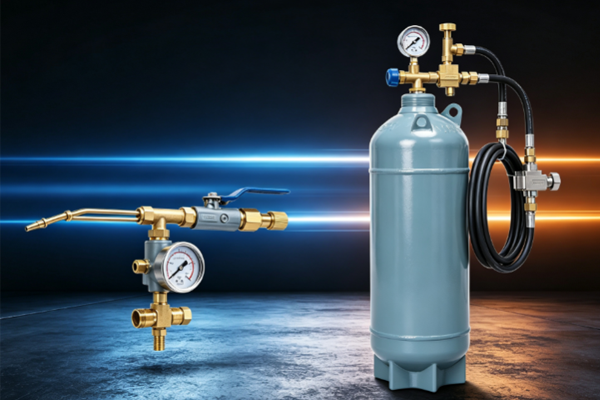
Why Agricultural Machinery Repair Workshops Need Proper Acetylene Gas Cylinder Configuration?
With the continuous development of agricultural machinery, equipment such as tractors, harvesters, and seeders has become more complex. Repair work now involves more metal processing requirements than before. Traditional maintenance methods are often unable to meet the needs of modern agricultural machinery repair workshops. For craftsmen who handle equipment failures every day, acetylene gas cylinders are not only an important gas source for welding and cutting but also a key part of improving repair efficiency.
A proper acetylene gas cylinder configuration should be planned based on workshop size, repair workload, and equipment types, ensuring that the gas supply meets daily operation requirements while remaining easy to manage and maintain.
Meeting Welding and Cutting Requirements for Agricultural Machinery Parts
During agricultural machinery repair, craftsmen often need to deal with damaged parts, deformed components, and worn connections. In many cases, ordinary tools cannot quickly complete repair tasks, while acetylene gas cylinders provide a stable high-temperature flame to support more types of metal processing work.
- Used for cutting and removing metal components
- Supporting equipment part welding repairs
- Assisting with heating and removing rusted components
The application of acetylene gas cylinders allows craftsmen to handle repair problems more flexibly and improve the overall efficiency of agricultural machinery repair workshops.
Improving Overall Workshop Repair Efficiency
Agricultural machinery repair workshops handle different types of equipment problems every day. Some repairs require quick solutions, while others require more detailed processing. If gas equipment is insufficient, it may cause delays and repeated preparation work, affecting repair progress.
- Reducing equipment preparation time
- Ensuring continuous repair operations
- Improving cooperation between multiple workstations
- Meeting peak-season repair demands
Proper acetylene gas cylinder configuration makes repair processes smoother and allows craftsmen to handle different agricultural machinery maintenance tasks more efficiently.
Making Daily Workshop Management Easier
For repair workshops that use acetylene gas cylinders regularly, equipment placement, operation management, and supply planning are very important. Proper storage and organization can reduce inconvenience during daily operations.
- Optimizing gas cylinder storage space
- Making regular inspections easier
- Reducing equipment management difficulty
Good management methods not only improve equipment usability but also help craftsmen maintain a more stable repair workflow.
Key Factors to Consider When Configuring Acetylene Gas Cylinders in Agricultural Machinery Repair Workshops
Different agricultural machinery repair workshops have different requirements for acetylene gas cylinders. Small repair shops may mainly handle routine equipment maintenance, while larger repair centers may need to service multiple agricultural machines at the same time and require more stable gas supply. When selecting an acetylene gas cylinder configuration solution, craftsmen should consider repair frequency, working environment, and specific tasks to avoid insufficient supply or unnecessary equipment investment.
Selecting the Right Configuration Based on Workshop Size
The number of acetylene gas cylinders required is not simply a matter of choosing more equipment. The configuration should match actual repair needs to maximize value.
- Small repair workshops focus on flexible use
- Medium-sized workshops need reliable daily supply
- Large repair centers require continuous operation capability
Choosing an appropriate acetylene gas cylinder configuration based on workshop conditions allows craftsmen to receive stable support during repair work and improves overall efficiency.
Acetylene Gas Cylinder Applications in Different Repair Scenarios
When planning equipment for an agricultural machinery repair workshop, craftsmen usually want to know which repair tasks acetylene gas cylinders are suitable for and how to configure them to meet actual needs. Different agricultural machines require different maintenance methods, and gas supply requirements may also vary. The following table summarizes common repair scenarios to help users better understand the practical value of acetylene gas cylinders in workshops.
| Repair Application Scenario | Common Repair Tasks | Main Concerns of Craftsmen | Value of Acetylene Gas Cylinder Configuration |
| Tractor repair area | Bracket repair and component cutting | Whether problems can be solved quickly | Improving repair response speed |
| Harvester repair station | Component removal and welding work | Whether continuous repair is supported | Providing stable gas supply |
| Agricultural machinery modification area | Metal adjustment and structural processing | Whether it supports different tasks | Increasing processing flexibility |
| Comprehensive repair workshop | Multiple equipment maintenance | Whether management is convenient | Optimizing workshop workflow |
These different repair scenarios show that acetylene gas cylinders are not limited to simple welding tasks. They can also support various metal processing requirements in agricultural machinery repair workshops, providing craftsmen with more efficient repair support.
Focusing on Gas Cylinder Management and Maintenance
During long-term use, acetylene gas cylinders require proper management and maintenance. For agricultural machinery repair workshops, equipment condition directly affects repair efficiency, making daily maintenance an important part of workshop management.
- Regularly checking gas cylinder conditions
- Keeping usage records
- Maintaining proper storage areas
Proper maintenance can extend the service life of acetylene gas cylinders and help repair workshops maintain stable operation.
How to Improve Acetylene Gas Cylinder Efficiency in Agricultural Machinery Repair Workshops?
Besides choosing the right equipment configuration, actual usage methods also affect repair results. Agricultural machinery repair work often involves unexpected situations, including emergency breakdowns and large-scale maintenance during busy farming seasons. Planning equipment usage procedures in advance can help craftsmen reduce unnecessary waiting time and improve workflow efficiency.
Preparing Before Repair Operations
Before starting welding or cutting tasks, proper equipment checks can help reduce problems during operation.
- Confirm gas connections
- Check that related tools are complete
- Arrange equipment according to repair tasks
Adequate preparation helps craftsmen start work faster and improve repair efficiency.
Organizing Different Repair Tasks Properly
Agricultural machinery repair workshops often handle multiple equipment issues at the same time. Without proper scheduling, overall progress may be affected.
- Arrange tasks based on repair difficulty
- Prioritize problems that affect equipment operation
- Allocate equipment usage time properly
A well-organized repair process allows acetylene gas cylinders to provide greater value and improves overall workshop capability.
Building Long-Term Maintenance Habits
Stable equipment operation depends on good maintenance practices. For craftsmen who frequently use acetylene gas cylinders, proper management can reduce problems during daily operations.
- Regularly checking equipment performance
- Carrying out routine maintenance
- Handling abnormal situations promptly
Good maintenance practices help ensure that acetylene gas cylinders continue to provide stable support and make agricultural machinery repair work more efficient.
As the agricultural machinery repair industry continues to demand higher efficiency and equipment reliability, a well-designed acetylene gas cylinder configuration solution for agricultural machinery repair workshops can help craftsmen improve welding, cutting, and metal processing efficiency. From routine equipment maintenance to large-scale agricultural machinery repairs, scientific gas equipment planning can make workshop operations smoother and provide reliable support for high-quality repair work.