
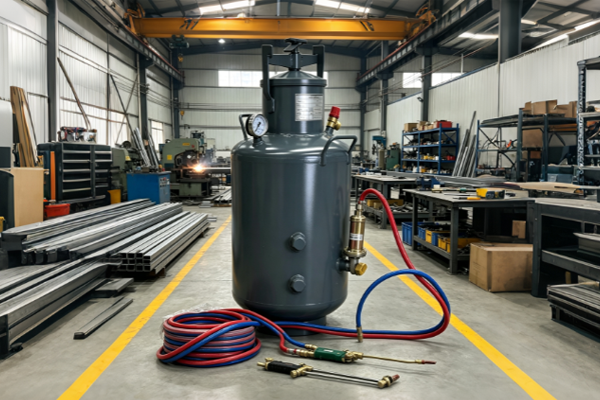
Hardware processing involves a lot of cutting, trimming, dismantling, heating, and repair work. Steel pipes, metal sheets, frames, and various hardware components often need fast and flexible cutting, especially when dealing with thick materials, irregular parts, or on-site repairs. An acetylene generator can provide a reliable gas source for gas cutting equipment and is useful in many Hardware Industry applications. For buyers, the real concern is not simply whether the equipment can work, but whether the gas supply is stable, cutting is smooth, gas consumption is reasonable, and daily operation remains safe.
Why Does the Hardware Industry Need an Acetylene Generator Cutting Solution?
Hardware processing covers a wide range of jobs. A small hardware workshop may cut steel pipes, metal sheets, and spare parts every day, while a larger factory may handle metal structures, equipment maintenance, and continuous cutting operations. When purchasing an acetylene generator, customers usually care about stable gas supply, cutting efficiency, equipment mobility, and maintenance. Non-standard metal parts are also common in the Hardware Industry, making flexible on-site gas cutting particularly useful.
What Hardware Cutting Applications Use Acetylene?
Different workpieces have different cutting requirements, so equipment should not simply be selected based on size.
| Hardware Application | Typical Cutting Work | What Buyers Care About | Practical Configuration |
| Steel pipe cutting | Cutting to required lengths and resizing | Cutting speed and continuous gas supply | Match equipment with daily workload |
| Metal sheet cutting | Materials with different thicknesses | Flame stability | Check gas supply capacity |
| Metal frame fabrication | Longer cutting operations | Continuous operation | Prepare a backup gas supply |
| Hardware equipment repair | Temporary cutting and dismantling | Easy movement | Choose mobile and convenient equipment |
| Small hardware workshops | Occasional cutting jobs | Footprint and simple operation | Balance size with actual gas demand |
In real production, workpiece sizes can change frequently. The equipment needs to meet cutting requirements without becoming difficult for workers to move or operate. That is what makes a configuration genuinely practical.
How to Choose an Acetylene Generator for Hardware Cutting?
When purchasing an acetylene generator, price is important, but it is not the only cost to consider. Gas stability, compatible equipment, maintenance frequency, and backup supply can all affect the actual operating cost. If a low-cost unit provides unstable gas after installation or does not match the existing cutting torch and piping system, the initial saving can quickly turn into extra trouble. For Hardware Industry customers, equipment selection should start with actual cutting volume rather than simply choosing the largest available unit.
Choose Equipment Based on Daily Cutting Volume
The required equipment size can be estimated from the workshop’s actual working schedule. A repair shop that performs occasional cutting has very different needs from a factory that cuts metal continuously throughout the day.
- Occasional cutting: For short daily cutting jobs, prioritize easy operation, convenient maintenance, and simple handling.
- Continuous cutting: For long working hours, pay close attention to gas supply stability and equipment operating performance.
- Peak production: Gas consumption can rise sharply during busy periods, so backup equipment or spare gas supply should be prepared in advance.
- Multiple workstations: When several operators use gas at the same time, the total gas supply capacity needs to be reassessed.
Before purchasing, answer three simple questions: How much material is cut each day? How long does each cutting session last? How many workstations use the gas supply? These details are much more useful than looking at equipment price alone.
Check Equipment Connections and Accessories
An acetylene generator does not work alone. Cutting torches, pressure control equipment, hoses, piping, and safety components all need to work together. Checking the existing cutting equipment’s connections, working pressure, and connection method before purchasing can prevent compatibility problems later.
How Can Hardware Factories Control Acetylene Consumption?
One common problem in hardware workshops is seeing gas disappear quickly without knowing where it is being consumed. Even with the same equipment, actual consumption can vary with the cutting torch, material thickness, cutting speed, and operator habits. For the Hardware Industry, keeping a simple daily record of cutting work is often more useful than simply checking how much gas remains.
A Simple Way to Track Gas Consumption
There is no need to create a complicated management system at the beginning. A basic record can help the workshop identify its actual consumption pattern.
| Item to Track | Suggested Record | Main Purpose |
| Cutting material | Steel pipe, sheet, frame, etc. | Identify major gas-use applications |
| Working time | Actual daily operating hours | Track consumption trends |
| Material thickness | Common thickness range | Estimate cutting load |
| Gas supply changes | Daily or weekly replacement frequency | Check whether supply is sufficient |
| Abnormal conditions | Unstable flame, shutdowns, etc. | Help identify equipment problems |
After one or two weeks of records, the factory can usually see its normal gas-use pattern. This makes future purchasing, inventory planning, and equipment adjustments much easier.
How to Use an Acetylene Generator More Safely for Hardware Cutting?
Hardware workshops often contain metal dust, oil, packaging materials, machinery, and other equipment. Gas cutting also involves high-temperature flames, so a poorly managed work area can create unnecessary risks. Once an acetylene generator is put into service, safety should not depend only on whether operators know how to use it. Equipment inspection, work area preparation, piping checks, and shutdown procedures should become routine.
What Should Be Checked Before Cutting?
- Check connection points: Make sure hoses, fittings, and valves are properly connected and show no obvious abnormalities.
- Clear the work area: Remove cardboard, oily cloths, packaging, and other combustible materials from the cutting zone.
- Check ventilation: Maintain adequate airflow indoors to prevent gas from accumulating.
- Inspect equipment condition: Check the generator and related components before starting work.
Keep Daily Equipment Management Simple
Hardware factories do not need an overly complicated management system. It is more practical to assign responsible operators, establish routine inspections, and keep the equipment in a fixed storage location. After each operation, shut down the equipment and carry out a basic inspection. If an abnormal condition appears, do not keep running the equipment just to finish the job. Aging or damaged hoses, fittings, and other components should also be handled promptly.
For hardware workshops that regularly perform metal cutting, a practical acetylene generator cutting solution is about more than simply supplying gas. The equipment should keep up with production while making operation, maintenance, and daily management easier for workers. When selecting equipment, consider actual cutting volume, equipment compatibility, gas consumption records, and safety requirements together. This makes the entire cutting process more reliable and much easier to manage.