
Waste recycling stations handle all kinds of scrap every day, including old steel, discarded machinery, automotive parts, and metal frames. When large or complicated metal waste needs to be dismantled, manual tools can be slow and inefficient. An acetylene generator is often used with cutting equipment to handle metal cutting and dismantling work. An acetylene generator solution for scrap material dismantling focuses on equipment selection, gas supply, on-site use, and daily management, helping recycling stations handle scrap more smoothly and reduce unexpected downtime during dismantling.
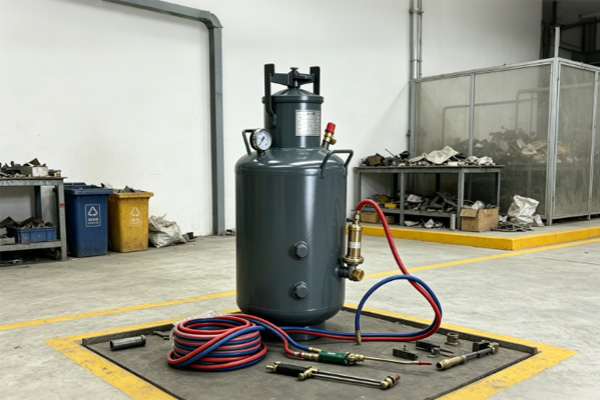
What Scrap Materials Need an Acetylene Generator at Waste Recycling Stations?
Metal scrap at waste recycling stations rarely comes in standard sizes. One batch may contain steel plates, steel pipes, equipment housings, and large metal structures. When quick separation or cutting is needed, an acetylene generator can work with suitable cutting equipment to complete the job. For waste recycling stations, the key concerns are the type of scrap being handled, the amount of cutting required, and whether the equipment fits the actual working environment.
Dismantling Scrap Steel
- Cut long steel sections into sizes that are easier to move.
- Divide large steel plates before sorting.
- Adjust the length of scrap steel pipes for transportation.
- Cut large sections, metal supports, and other oversized scrap.
How Should Discarded Machinery and Equipment Be Handled?
Discarded machinery can be more difficult than ordinary scrap steel because it may contain frames, bases, metal housings, and different structural connections.
- Cutting large equipment housings
- Separating metal frames
- Processing old machinery bases
- Cutting metal structures that are difficult to dismantle manually
- Pre-cutting oversized scrap before further processing
Automotive Scrap May Also Require Cutting
When old vehicles enter a recycling station, some metal structures may need further cutting. Once divided into smaller pieces, the materials are easier to sort, compress, and transport.
| Scrap Type | Common Processing Need | Main Concern |
| Scrap steel plates | Cutting and sorting | Cutting efficiency |
| Scrap steel pipes | Length adjustment | Easy operation |
| Discarded machinery | Structural dismantling | Continuous operation |
| Automotive metal parts | Localized cutting | Tool compatibility |
| Large metal frames | Size reduction | Available workspace |
Different types of scrap require different working rhythms. Recycling stations do not necessarily need to copy a fixed equipment setup. Actual incoming scrap volume and dismantling workload are more useful references.
How Do You Choose an Acetylene Generator for Scrap Dismantling?
When buying equipment, many users focus on specifications and price first. Once dismantling work starts, however, gas supply capacity, cutting equipment compatibility, mobility, and maintenance requirements all affect daily use. Workloads at waste recycling stations can change from day to day, so the equipment should not be clearly undersized, while oversized equipment may also be unnecessary.
Check How Long the Equipment Is Used Each Day
It is useful to keep simple records of actual usage:
- Approximate cutting hours per day.
- Number of scrap batches processed each day.
- Continuous working time during periods of heavy scrap intake.
- Daily or weekly peak gas-use periods.
These records make equipment selection more practical instead of relying only on assumptions.
What Equipment Should Match the Acetylene Generator?
- The regulator should suit the actual operating conditions.
- Gas hoses and connection components need to be compatible.
- Cutting tools should meet the equipment requirements.
- Supporting components should be easy to inspect and replace.
Even good equipment will not perform properly if the components do not match. Connection parts deserve extra attention when the cutting equipment is frequently moved around the recycling site.
Is a Larger Equipment Setup Always Better?
Not necessarily.
- A small site may have limited space for large equipment.
- Low scrap volume can leave oversized equipment underused.
- Frequent relocation can make large equipment harder to handle.
- Long dismantling jobs still require enough gas supply for continuous work.
A practical setup should match the equipment capacity with the actual workload, while leaving reasonable capacity for periods of heavier dismantling.
How Should an Acetylene Generator Be Arranged at a Waste Recycling Station?
One common problem at waste recycling stations is simply having too much going on in one area. Scrap piles, forklifts, transport vehicles, dismantling equipment, and workers may all be moving around at the same time. If the acetylene generator is placed wherever there happens to be space, it can interfere with operations later. A fixed equipment location and a clearly planned cutting area make daily work easier to organize.
Where Should the Equipment Be Placed?
- Keep the area dry, stable, and well ventilated.
- Keep it away from obvious heat sources.
- Avoid areas where sparks are frequently generated.
- Do not place it beside busy vehicle routes.
- Leave enough room for inspection and operation.
Once the equipment has a fixed location, workers do not have to search for a suitable spot every day, and routine management becomes much easier.
What Should Be Checked Before Dismantling Starts?
A simple pre-work check can include:
- Check the equipment exterior for obvious abnormalities.
- Make sure connection points are secure.
- Inspect hoses and related components.
- Check the condition of the cutting tools.
- Remove scrap and other items that may interfere with the work area.
These few minutes are especially important when equipment has been unused for some time. It should not be put directly into operation without checking its condition.
How Should the Site Be Divided for Large Scrap Cutting?
The work area can be divided into several simple zones:
Incoming Scrap Area → Cutting Area → Processed Scrap Area → Equipment Storage Area
Try to keep workers, forklifts, and transport vehicles from crossing the active cutting area unnecessarily. The larger the scrap volume, the more useful clear zoning becomes. Otherwise, freshly cut materials may quickly block the equipment or transportation route.
How Should an Acetylene Generator Be Managed Daily?
Long-term equipment use requires regular inspection, cleaning, and maintenance. Waste recycling stations may also have different workers or shifts using the same equipment. Without basic records, it can become difficult to know who used the equipment, when it was inspected, or when maintenance was last completed.
What Should a Recycling Station Record?
| Record Item | What to Record | Practical Use |
| Usage date | Date of equipment use | Track usage frequency |
| Scrap type | Steel, machinery, automotive scrap | Identify common dismantling tasks |
| Working time | Approximate daily operating time | Monitor equipment workload |
| Abnormal conditions | Equipment or connection issues | Support follow-up inspections |
| Cleaning and maintenance | Maintenance date and work completed | Prevent long maintenance gaps |
| Operator | Person responsible for use | Track equipment usage |
What Should Be Prepared Before a Large Scrap Intake?
- Check the equipment condition in advance.
- Inspect common cutting tools and connection components.
- Clear a fixed operating area for the equipment.
- Remove scrap that has accumulated around the work area.
- Arrange the gas supply based on the expected dismantling workload.
If a large quantity of scrap steel or discarded machinery is expected, these preparations should be completed before the materials fill the working area.
What If Several Teams Share the Same Equipment?
One person can be assigned to handle:
- Daily equipment inspections.
- Usage records.
- Equipment location management.
- Cleaning and maintenance reminders.
Other workers can return the equipment to its designated location after use and report any abnormal conditions. This prevents a situation where everyone uses the equipment but no one is responsible for it.
When Is a Backup Plan More Important?
Equipment usage may increase suddenly when large quantities of scrap arrive. Extra planning is useful when:
- Large batches of scrap steel arrive at the same time.
- Discarded machinery needs to be dismantled in large quantities.
- Large metal structures require continuous cutting.
- A temporary dismantling project is added to the schedule.
The purpose of backup planning is not to overcrowd the site with equipment, but to reduce the risk of unexpected interruptions during continuous dismantling work.
An acetylene generator solution for scrap material dismantling is mainly about making daily work easier at waste recycling stations when processing scrap steel, discarded machinery, and automotive metal parts. Equipment selection, gas supply, cutting areas, and routine inspections should match the actual workload to reduce unexpected downtime. When these details are planned in advance, workers can operate more efficiently while scrap sorting, handling, and transportation can connect more smoothly.