
Steel fabrication on construction sites often needs to keep pace with tight project schedules. Steel beams, plates, metal brackets, and connecting components may need to be cut or trimmed to match drawings before installation. For construction teams and metal fabrication workshops that use oxy-fuel cutting, an acetylene generator can be one option for supplying acetylene to a compatible cutting system. Choosing the right equipment helps support site operations. Instead of comparing prices alone, buyers should check gas generation capacity, operating parameters, compatible equipment, and site conditions to find a solution suited to their steel-cutting requirements.
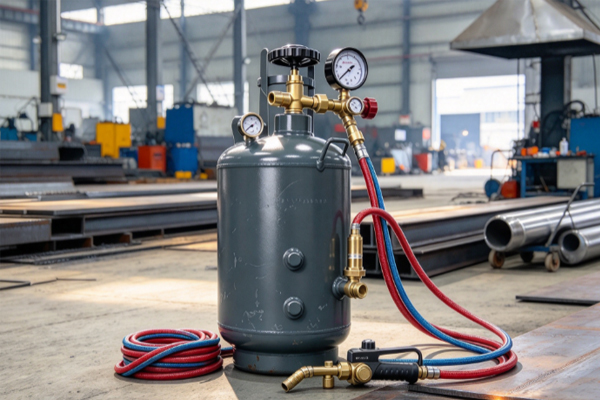
Why Use an Acetylene Generator for Steel Cutting?
In the construction industry, steel processing is common in structural steel projects, industrial building construction, building reinforcement, and metal component fabrication. Some steel parts are cut in a fabrication workshop before being transported to the installation site, while other trimming and repair tasks take place on site under suitable safety conditions. An acetylene generator may meet certain acetylene production needs, but it must be used with compatible cutting equipment and operated according to the manufacturer’s instructions.
What Steel-Cutting Applications Can an Acetylene Generator Support?
Different steel thicknesses, cutting methods, and working environments have different gas supply and torch requirements. The following common applications can help construction teams identify their equipment needs.
- Structural steel fabrication: Cutting and trimming steel plates, sections, and selected metal components requires checking material specifications and cutting torch requirements.
- Metal support fabrication: Producing brackets, supports, and connecting components calls for attention to work frequency and gas demand.
- On-site repairs: For frequent metal trimming and repair work, confirm that the installation location is suitable for the equipment.
Once the cutting tasks are clearly defined, checking the generator’s technical specifications makes it easier to select equipment that fits actual construction requirements.
What Is the Difference Between an Acetylene Generator and a Standard Gas Cylinder?
An acetylene generator produces acetylene, while an acetylene cylinder stores and supplies acetylene that has already been filled into the cylinder. They are different types of equipment. Construction teams should select a suitable solution based on their gas supply method, site conditions, and applicable regulations. An acetylene generator should not be treated as an ordinary gas cylinder.
How to Choose an Acetylene Generator for Steel Cutting: Capacity and Working Pressure
Construction workloads can be concentrated within short periods, and equipment may need to support extended cutting operations. Steel specifications and gas requirements also vary from one project to another. When selecting an acetylene generator, carefully check its rated gas generation capacity, specified working pressure, dimensions, and configuration. Matching these parameters to the application helps reduce the risk of unsuitable equipment, missing accessories, or installation problems.
Which Specifications Should You Check Before Buying an Acetylene Generator?
Before requesting a quotation, prepare the information listed below. Always refer to the technical documentation for the specific model, as specifications should not be assumed to be interchangeable between different units.
| Selection Item | Information to Confirm | Why It Matters |
| Rated gas generation capacity | Stated output and corresponding test conditions | Helps determine whether the unit meets actual gas demand |
| Working pressure | Manufacturer-specified pressure range | Helps verify compatibility with the gas delivery system and connected equipment |
| Equipment dimensions | Overall size, weight, and installation space | Supports transportation and placement planning |
| Equipment configuration | Standard components, optional accessories, and supply scope | Helps prevent missing required components |
| Technical documentation | Operating instructions, maintenance requirements, and applicable certification documents | Supports equipment inspection and ongoing maintenance |
If you are unsure which model to choose, provide details about the steel-cutting tasks, expected gas demand, and existing equipment. The sales team can then help identify suitable specifications.
Does Steel Thickness Affect Acetylene Generator Selection?
Steel thickness affects cutting torch selection, the cutting process, and gas consumption, but plate thickness alone is not enough to determine the correct generator model. Cutting equipment specifications, working pressure requirements, operating duration, and other system requirements must also be checked. For thick steel plates or extended cutting operations, make sure the equipment specifications match the requirements of the intended process.
What Equipment Is Needed Alongside an Acetylene Generator for Steel Cutting?
An acetylene generator cannot cut steel on its own. Actual cutting operations also require a compatible cutting torch, suitable gas delivery and control components, and any additional gases or accessories required by the cutting process. Incompatible equipment can affect cutting performance and increase safety risks.
How Can You Check Compatibility Before Buying?
If your construction team already has oxy-fuel cutting equipment, provide the model numbers and technical documentation when requesting a quotation. This helps confirm whether the proposed equipment is compatible.
- Cutting torch and nozzles: Confirm the approved fuel gas, applicable material thickness range, and equipment requirements.
- Pressure regulation and gas delivery components: Check the specified working pressure, connection specifications, and operating conditions.
- Additional gases and accessories: Determine whether the cutting process requires another gas supply or additional components.
- Maintenance and inspection documentation: Ask whether operating instructions, routine inspection guidance, and after-sales support are available.
Confirming these requirements in advance makes it easier to review the supply list and quotation. It also reduces the risk of discovering that the equipment cannot be used as intended after delivery.
How Much Does an Acetylene Generator for Steel Cutting Cost? Requesting a Quotation
The price of an acetylene generator can vary depending on the model, rated gas generation capacity, configuration, and delivery requirements. Comparing total prices alone may hide important differences in specifications and included components. For construction projects and steel fabrication facilities, providing clear application details when requesting a quotation makes it easier to obtain relevant product information.
What Information Should You Prepare for a Quotation?
You do not need an extensive set of documents to start an inquiry. A few basic details are enough to help the sales team understand your requirements.
- Intended application: Describe whether the equipment is for structural steel fabrication, steel plate cutting, or trimming metal components used in construction.
- Expected gas demand and equipment specifications: Share the anticipated gas requirements, cutting equipment model, and relevant technical information.
- Order and delivery details: Confirm the required quantity, delivery location, and expected arrival date.
This information helps the sales team review suitable models, equipment configurations, and quotation details. If you have not selected a model yet, you can start by requesting technical specifications and clarify the requirements before making a decision.
What Safety Requirements Apply to Acetylene Generators on Construction Sites?
Acetylene is a flammable gas. An acetylene generator must be installed, operated, and maintained in accordance with the manufacturer’s instructions and local regulations. Construction sites must also meet applicable ventilation, fire prevention, gas leak emergency response, and work-area management requirements. Only trained personnel should operate the equipment. It must not be placed in an unsuitable area or modified without authorization.
If you are looking for an acetylene generator for structural steel fabrication or steel-cutting work, provide your intended application, expected gas demand, existing cutting torch model, and delivery location to inquire about suitable models, technical specifications, and pricing. Confirming equipment and process requirements in advance helps align the configuration with your construction schedule and makes it easier to plan for compatible accessories and future maintenance.