
One of the biggest challenges in dismantling scrap machinery is cutting large metal components. Scrapped machines, old steel frames, discarded pipes, and metal housings often need to be cut before they can be separated, transported, and sorted for recycling. If a waste recycling station handles dismantling work every day, its acetylene consumption can be quite high. When there is no nearby acetylene filling station or gas cylinders must be transported over long distances, frequent cylinder replacement can delay operations and increase costs. A mobile acetylene generator produces gas on-site, making it a practical option for dismantling facilities with long-term and continuous gas requirements.
Why Is an Acetylene Generator Needed for Scrap Machinery Dismantling?
Scrap machinery often has a complicated structure. Different machines contain metal components of various sizes, materials, and connection types. Large steel frames, metal housings, and discarded pipes may need to be cut before they can be separated and transported. Acetylene gas can be used for compatible oxy-fuel cutting applications, helping workers handle certain metal dismantling tasks.
Cutting Large Machinery
Large machines are difficult to transport and sort without dismantling. Cutting them into manageable sections can reduce their size and make subsequent recycling work easier. Common tasks include:
- Steel frame dismantling: Separating large metal support structures.
- Housing removal: Cutting through old equipment housings.
- Pipe separation: Removing unwanted metal pipes.
- Component recovery: Sorting different metal parts for recycling.
Continuous Gas Demand at Waste Recycling Stations
Waste recycling stations handle different types of scrap every day, including discarded machinery, metal equipment, and large dismantled components. When workloads increase, acetylene cylinders may run out more quickly. If workers have to wait for refilling and delivery, dismantling operations can be interrupted. For facilities that perform cutting work daily, maintaining a reliable gas supply is essential.
Gas Supply Challenges at Remote Dismantling Sites
Some machinery dismantling sites are far from urban areas and have no acetylene filling stations nearby. Purchasing gas requires additional transportation arrangements, which can increase operating expenses, particularly for long-term projects.
- Filling stations are far away.
- Cylinder transportation is inconvenient.
- Daily gas consumption is high.
- Projects run for extended periods.
What Are the Advantages of a Mobile Acetylene Generator?
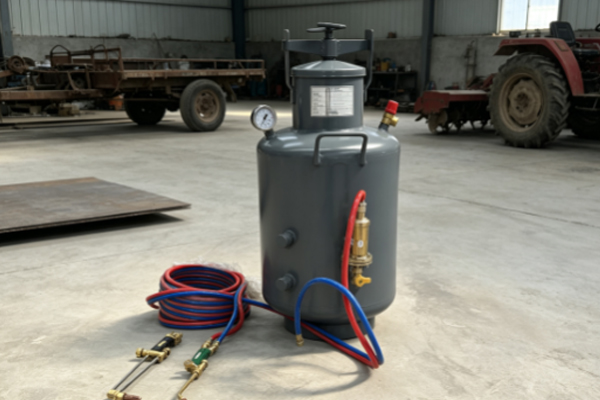
A mobile acetylene generator produces acetylene on-site through a chemical reaction between calcium carbide and water. This reduces the need to keep large quantities of prefilled gas cylinders in stock. The equipment uses a water-displacement operating principle, adjusting the water level according to internal pressure changes to control the reaction.
When gas consumption causes the pressure to drop, the equipment resumes gas production under its designed operating conditions. This helps reduce frequent manual intervention. For facilities that regularly dismantle metal machinery, this supply method can make gas delivery more convenient by reducing cylinder transportation and replacement.
On-Site Gas Production Reduces Cylinder Handling
Traditional acetylene cylinders must be filled in advance and transported to the worksite. A mobile acetylene generator produces gas on-site according to the equipment’s operating instructions, reducing dependence on external filling stations.
- Fewer cylinder replacements.
- Less transportation of empty and full cylinders.
- Reduced long-distance delivery requirements.
- More convenient gas supply for long-term projects.
Gas Production Adjusts to Consumption
When internal pressure increases, water moves into a separate storage tank and separates from the reaction material, stopping the reaction. When gas is consumed and the pressure drops, the water returns, allowing gas production to resume under the equipment’s designed conditions.
This structure helps reduce unnecessary manual operation. However, the generator’s rated output must still match the actual gas demand at the worksite.
Built-In Safety Protection Components
The equipment is fitted with components such as a pressure gauge, filter, and safety relief valve. These help operators monitor operating conditions and perform routine inspections.
Acetylene is highly flammable. The equipment must be operated by trained personnel in accordance with the manufacturer’s instructions. The work area must have adequate ventilation and remain away from ignition sources. Actual operating pressure and relief settings must follow the equipment nameplate and technical documentation. Safety devices must never be adjusted without authorization.
Mobile Acetylene Generators vs. Traditional Cylinders: Which Is Better for Machinery Dismantling?
When purchasing gas supply equipment, the cost of acetylene itself is only part of the calculation. Traditional cylinders also involve filling, transportation, inspection, and handling expenses. A mobile generator requires an initial equipment investment and ongoing calcium carbide consumption.
Since project duration and gas demand vary, the most suitable option depends on the actual working conditions.
Cost Comparison of the Two Gas Supply Options
| Comparison Item | Mobile Acetylene Generator | Traditional Acetylene Cylinders |
| Gas supply method | On-site production | External filling |
| Transportation | Reduced cylinder handling | Empty and full cylinders require transportation |
| Initial investment | Equipment purchase required | Cylinders need to be purchased |
| Daily expenses | Calcium carbide, water, and maintenance | Filling, transportation, and cylinder management |
| Suitable applications | Long-term, high-volume gas use | Short-term, occasional gas use |
If a project has a short schedule, limited cutting requirements, and a nearby filling station, traditional cylinders may be more economical because there is no need to purchase and manage a generator. However, when large amounts of cutting work are required every day, the ongoing cost of transporting cylinders deserves closer attention.
What Hidden Costs Should Be Considered for Long-Term Use?
The cost of traditional acetylene cylinders goes beyond the price of the gas itself. Long-term use may involve several additional expenses:
Filling station service charges.
- Periodic cylinder inspections and depreciation.
- Acetone loss and related maintenance costs.
- Empty-cylinder collection and full-cylinder delivery.
- Additional expenses caused by damaged or lost cylinders.
Although a mobile acetylene generator requires an initial purchase, it can reduce recurring filling and transportation expenses. Under specific project conditions, long-term operating costs may be reduced by approximately 40%–60%. Actual savings depend on raw material prices, gas consumption, transportation distances, and operating conditions.
How Does Calcium Carbide Gas Yield Affect Operating Costs?
Calcium carbide quality directly affects gas production and should be considered when estimating long-term operating expenses. Industrial-grade calcium carbide has a reference gas yield of approximately 285–300 L/kg. One metric ton may produce around 280–300 m³ of acetylene under reference conditions. Actual output varies with raw material quality and equipment operating conditions.
| Reference Item | Data or Description |
| Industrial calcium carbide gas yield | Approximately 285–300 L/kg |
| Reference output per metric ton | Approximately 280–300 m³ |
| Main reaction materials | Calcium carbide and water |
| Main cost factors | Raw material prices, transportation, and actual gas output |
These figures can be used for preliminary raw material cost estimates, but they should not be treated as guaranteed equipment output. The generator’s rated gas production capacity and technical specifications should also be checked before purchasing.
How Do You Choose the Right Acetylene Generator for Scrap Machinery Dismantling?
When selecting equipment, consider daily cutting hours, estimated acetylene consumption, the number of cutting units operating at the same time, and the availability of calcium carbide and water. If a waste recycling station only dismantles small quantities of metal occasionally and has convenient access to an acetylene filling station, traditional cylinders may be more economical. However, if large amounts of scrap machinery are processed every day and filling stations are far away, a mobile acetylene generator is generally more suitable for long-term use. Before purchasing, provide the estimated gas consumption, operating hours, and site conditions to help determine the appropriate equipment capacity and avoid a mismatch between gas output and actual demand.
For businesses involved in long-term scrap machinery dismantling, a mobile acetylene generator can reduce the inconvenience of cylinder transportation and frequent replacement. Standard equipment accessories include one welding torch, one cutting torch, a 10-meter dual-color hose, a filter, a pressure gauge, and a safety relief valve. The equipment comes with a two-year warranty and has a designed service life of 6–8 years under proper operating and maintenance conditions.If you are looking for on-site acetylene production equipment for a waste recycling station or machinery dismantling project, contact us with your destination country, destination port, and planned purchase quantity. We can calculate the suitable equipment configuration and total shipping cost based on your requirements.