
In automotive repair, accident vehicle restoration, and vehicle dismantling operations, body cutting is an essential process. Whether replacing structural components, removing damaged sections, or processing high-strength steel panels, a stable and reliable flame heat source significantly improves operational efficiency. The acetylene generator tank provides continuous on-site gas production, supplying a steady acetylene source for oxy-acetylene cutting systems. This not only supports long-duration cutting tasks but also reduces downtime caused by frequent cylinder replacement. For auto repair shops, body & paint centers, scrap vehicle dismantling facilities, and large maintenance workshops, acetylene generator systems have become an important tool for improving productivity.
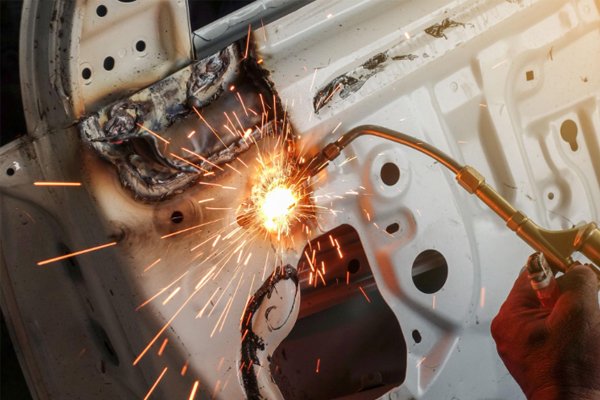
Working Principle of Acetylene Generator Tanks and Body Cutting Requirements
The acetylene generator tank produces acetylene gas through a chemical reaction between calcium carbide and water. The generated gas is then purified, cooled, and pressure-regulated before being delivered to cutting equipment, where it is mixed with oxygen to form a high-temperature flame.
Vehicle body structures are typically made of steel panels with varying thicknesses. During repair, damaged parts often need to be removed or replaced. The oxy-acetylene flame can reach temperatures above 3,000°C, rapidly heating metal and creating clean cutting lines, improving overall efficiency.
System Components of an Acetylene Generator
A complete body cutting gas supply system generally includes:
- Acetylene generator tank
- Oxygen cylinder
- Gas purification system
- Pressure regulation system
- Flashback arrestor
- Gas hose
- Cutting torch
These components work together to form a continuous and stable gas supply system, providing reliable heat for automotive body cutting operations.
Application Value of Acetylene Generator Tanks in Body Cutting
Repair businesses require efficient and continuous cutting capability to handle high workloads. On-site gas production helps maintain uninterrupted operation and improves workshop productivity.
| Comparison Item | Acetylene Generator Tank | Traditional Acetylene Cylinder |
| Gas Source | On-site continuous production | Stored gas cylinders |
| Supply Continuity | High | Interrupted during replacement |
| Gas Utilization | High | Residual waste exists |
| Downtime | Low | Relatively higher |
| Long-duration Work | Suitable | Limited |
| Operating Cost | Lower long-term cost | Continuous purchasing required |
For body repair centers with heavy workloads, continuous gas supply improves equipment utilization and reduces waiting time, enabling smoother workflow.
Efficiency Gains from Continuous Gas Supply
The acetylene generator provides a stable and reliable fuel source for body cutting operations:
- Reduces equipment downtime during operation
- Supports long-duration cutting tasks
- Improves efficiency for large-scale repair projects
- Reduces interruptions from gas replacement
- Provides stable flame output
- Minimizes waiting time during operations
- Improves overall workshop productivity
For large automotive repair enterprises, stable gas supply ensures smoother job scheduling and higher operational efficiency.
Advantages of Acetylene Generator Tank Systems
With continuous upgrades in automotive materials, high-strength steel and reinforced structural components are increasingly used, placing higher demands on cutting equipment. Acetylene generators provide stable thermal output for complex repair tasks.
High-Temperature Flame for Complex Cutting Applications
Oxy-acetylene cutting systems can handle a wide range of vehicle repair operations:
- High flame temperature suitable for thick steel panels
- Concentrated heat output
- Faster cutting speed
- Suitable for different steel thicknesses
- Capable of handling complex structures
- Suitable for continuous operations
- Compatible with welding applications
In accident vehicle repair and structural replacement work, high-temperature flames quickly form cutting paths, improving efficiency and reducing delays caused by insufficient heat output.
Stable Operation and Equipment Management Benefits
Modern acetylene generator systems use mature pressure control and gas purification technology to ensure stable output. Proper maintenance and correct operation help extend equipment lifespan while improving workshop management efficiency and meeting high-frequency operational demands.
Application Scenarios and Usage Methods
Acetylene generator systems are widely used not only in automotive repair but also in steel fabrication, mechanical manufacturing, metal cutting, and industrial maintenance.
Common Application Scenarios
Suitable environments include:
- Auto body repair workshops
- Accident vehicle repair centers
- Vehicle dismantling facilities
- Commercial vehicle repair bases
- Construction machinery maintenance centers
- Metal fabrication companies
- Steel structure construction sites
Businesses can select appropriate generator specifications based on workload and continuous gas consumption needs.
Standard Operating Procedures for Acetylene Generators
Before operation, all connections should be checked to ensure proper sealing and system stability. During operation, maintain stable water supply and monitor pressure changes to ensure consistent gas output. The working area must be well ventilated. After cutting operations, the system should be shut down properly and routine maintenance should be performed to ensure long-term reliability.
As the automotive repair industry continues to improve efficiency and service quality, acetylene generator tanks have become essential equipment for body cutting operations. With continuous gas production, stable performance, and high efficiency, they help repair facilities improve cutting speed, meet continuous operation demands, and provide reliable support for automotive repair and metal processing applications.