
Architectural metal door and window fabrication involves more than cutting profiles and assembling frames. During manufacturing, installation, and renovation of older buildings, steel door frames, metal brackets, and connecting components may require cutting, removal, or welding repairs. For door and window fabricators, steel fabrication workshops, and building maintenance teams, an acetylene generator tank can be used as part of an acetylene generation system designed to meet the required specifications, supplying gas to compatible welding and cutting equipment. When selecting equipment, production capacity, compatible components, and on-site operating conditions all matter. The goal is to choose equipment that meets the gas demands of steel component fabrication rather than discovering after installation that the specifications are unsuitable.
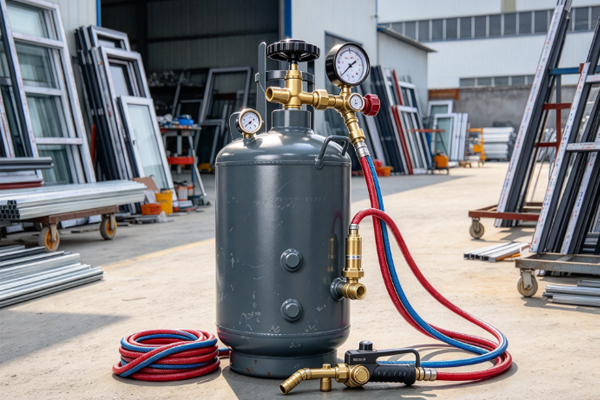
Which Architectural Metal Door and Window Fabrication Processes Use Acetylene Generator Tanks?
Different materials are used in architectural doors and windows. Steel door frames, metal brackets, and certain structural connections may require oxy-fuel cutting or gas welding, while aluminum alloy and uPVC profiles are generally processed with dedicated equipment. An acetylene generator tank is intended for use in an acetylene generation system that meets the required design specifications. It cannot replace a mechanical cutting machine or serve as a solution for every door and window material. For workshops that regularly handle steel components, a suitable acetylene gas source can support specific cutting, welding, and repair operations.
Cutting Steel Door Frames and Removing Old Windows and Doors
During the renovation of older buildings, some steel door frames are secured to wall connections or metal brackets. Removing these components may require professional cutting equipment. An acetylene generator tank can supply gas to compatible cutting equipment. Qualified personnel should determine the appropriate method based on component thickness, the removal plan, and site conditions.
Repairing Metal Brackets and Connecting Components
Door and window installations often involve steel brackets, fixing components, and auxiliary metal connections. If these parts crack or need replacement, cutting or welding repairs may be necessary. However, simple bolt removal, drilling, and dimensional adjustments can usually be completed with conventional tools. Acetylene equipment is not necessary for every repair task.
Which Architectural Metal Door and Window Components May Require Acetylene Equipment?
Different materials require different processing tools. The following table outlines common components used in door and window manufacturing and maintenance, along with situations in which acetylene equipment may be useful.
| Component | Typical Work Requirements | Potential Role of Acetylene Equipment |
| Steel door frames | Removing old frames and cutting steel | Supplies gas to suitable cutting equipment |
| Steel door and window brackets | Cutting metal components and welding repairs | Works with compatible gas welding and cutting equipment |
| Steel building railings | Removing old components and carrying out localized repairs | Supports cutting operations on suitable steel components |
| Steel connectors | Separating metal parts and replacing damaged components | Supplies gas for applicable cutting operations |
| Aluminum alloy doors and windows | Cutting profiles and assembling frames | Usually processed with dedicated aluminum profile equipment |
| uPVC doors and windows | Cutting profiles and welding or joining corners | Requires equipment designed for uPVC profiles |
Oxy-fuel cutting with acetylene is primarily used for suitable metals. It is not intended for routine cutting of aluminum alloy or plastic profiles. Identifying the material before starting work helps prevent tool selection mistakes and reduces damage to profiles and finished products.
What Acetylene Generation Capacity Is Needed for Architectural Metal Fabrication?
The size of an acetylene generator tank should not be judged by its external dimensions alone. A small door and window workshop may only use cutting equipment when repairing steel components, while a larger metal fabrication facility may operate for longer periods or run several machines during production. Insufficient generation capacity may fail to meet the gas demand of connected equipment, while an unnecessarily large unit can increase space and maintenance requirements. Equipment selection should be based on the total gas consumption of connected equipment, operating hours, and the manufacturer’s specified working conditions.
Which Specifications Affect Acetylene Generator Tank Selection?
Start by checking the following technical specifications. The information should be verified against the product nameplate, the manufacturer’s technical documentation, and applicable standards rather than estimated from experience alone.
- Rated gas generation capacity: The volume of acetylene produced per unit of time must be sufficient for the actual demand of connected equipment.
- Operating pressure: The pressure must meet the requirements of the system design and compatible equipment.
- Intended operating conditions: These include specified operating parameters, the working environment, and any equipment limitations.
These specifications determine whether the equipment is suitable for the intended work. Workshops with continuous production should also have qualified professionals calculate the combined gas demand when several devices operate simultaneously. This helps prevent interruptions caused by inadequate gas generation capacity.
How Do Small Door and Window Workshops Differ from Large Fabrication Facilities?
The working schedules of small workshops and large production facilities can vary significantly, so their equipment requirements and daily operating arrangements may differ. Start by assessing the actual workload, then check the product specifications against those needs.
| Type of Facility | Typical Work | Equipment Requirements |
| Small door and window workshop | Occasional work on steel frames or brackets | Consider actual gas consumption, equipment footprint, and ease of maintenance |
| Steel door and window fabrication workshop | Regular processing of steel components | Check generation capacity against the combined gas demand of connected equipment |
| Building metal repair workshop | Frequent removal of old components and occasional repairs | Prioritize suitable operating conditions, routine inspections, and maintenance planning |
| Continuous metal production facility | Long operating hours and concentrated workloads | Have qualified professionals calculate sustained gas demand and system load |
An acetylene generator is specialized gas-generation equipment, so price should not be the only selection criterion. Confirming generation capacity, operating pressure, and intended operating conditions before choosing a model helps ensure that the equipment matches real production requirements.
What Equipment Is Needed with an Acetylene Generator Tank?
An acetylene generator tank cannot cut door frames or weld metal on its own. A complete system may also require gas delivery piping, control components, and compatible welding or cutting equipment that meet the system’s design requirements. All components must be installed as specified. Piping of different specifications should not be connected arbitrarily, and connection assemblies should not be modified without authorization.
What Accessories and Supporting Equipment Are Required?
In metal door and window fabrication, the gas supply system and welding or cutting equipment serve different functions. Checking the technical documentation in advance helps prevent problems such as incompatible connections or mismatched specifications after installation.
- Gas delivery piping: Carries the generated acetylene, using materials and specifications suitable for the system.
- Control components: Regulate gas delivery in accordance with the system design.
- Gas welding and cutting equipment: Selected to suit the fabrication process for steel components.
- Inspection and maintenance accessories: Used for equipment checks and maintenance in accordance with the manufacturer’s instructions.
All supporting equipment must meet the system design specifications, and qualified personnel should handle installation and connections. Profiles unsuitable for gas cutting should be processed with the appropriate mechanical equipment. There is no need to add extra steps simply to use acetylene.
How Can Workshops Reduce Production Downtime?
Workshops that frequently process steel door frames can keep records of equipment operating hours, gas consumption, and maintenance dates. When production demand increases, qualified professionals should reassess the system load and schedule maintenance in advance. Matching gas generation capacity and equipment condition to the workload makes daily production easier to plan and helps reduce downtime caused by equipment problems.
What Safety Precautions Apply When Using Acetylene Equipment for Architectural Metal Fabrication?
Construction and fabrication sites often contain timber, packaging materials, paint, and sealants. Sparks and high temperatures generated during welding or cutting can ignite these materials. Equipment should be positioned with the required working clearance, and appropriate ventilation, fire prevention, and personnel separation measures must be in place. Installation, operation, and maintenance of an acetylene generator must comply with the manufacturer’s instructions and applicable local safety regulations.
What Should Be Checked Before Each Job?
Before fabrication begins, operators should inspect the equipment and work area to confirm that the necessary safety conditions are in place. The following checks can be included in routine procedures:
- Inspect the equipment exterior, piping, and connections. Stop using the equipment if damage or abnormal conditions are found.
- Remove combustible materials from the work area and implement the required fire prevention measures.
- Confirm that the welding or cutting equipment is suitable for the current task.
Operators must also receive appropriate training and use the equipment in accordance with established procedures. If a suspected gas leak or abnormal operating condition occurs, stop work, move away from ignition sources, and follow the manufacturer’s emergency instructions and applicable local requirements. Inspection and repairs should be carried out by qualified personnel.
An effective acetylene generator tank solution for architectural metal door and window fabrication depends on matching gas generation capacity, compatible welding and cutting equipment, and the actual production tasks. Businesses working with steel door frames, metal brackets, and structural steel components should verify the rated generation capacity, operating pressure, and intended operating conditions before confirming installation and operating arrangements. Clearly defined specifications, compatible equipment, and a practical maintenance schedule help meet the day-to-day gas requirements of metal fabrication.