
Metal door and window fabrication involves cutting metal profiles, welding, localized heating, and finishing metal components. Steel door frames, metal window frames, and connecting parts may require suitable flame-processing equipment during manufacturing and installation. For fabrication workshops, equipment compatibility, adequate gas supply, and convenient maintenance all affect production efficiency. Acetylene generator tanks may be used in equipment configurations designed for their specific purpose, but different tanks have different functions and operating requirements. Understanding the fabrication process and equipment specifications before selecting a product helps reduce compatibility issues and makes installation and operation easier.
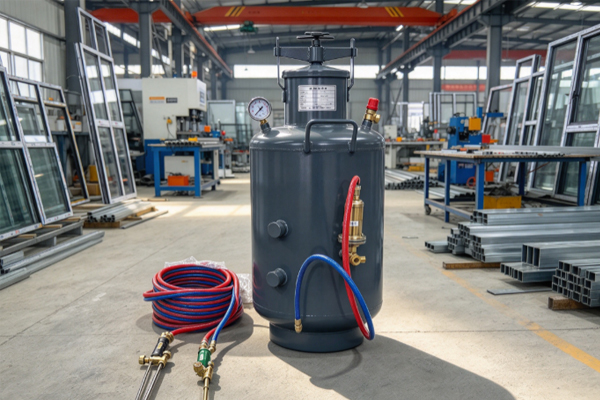
Are Acetylene Generator Tanks Suitable for Metal Door and Window Fabrication?
Construction door and window fabrication involves different materials and processes. Steel, aluminum alloy, and stainless steel products do not always use the same processing methods. Acetylene equipment is primarily used for compatible oxy-acetylene applications, and its suitability depends on the material, processing requirements, and equipment design. For workshops that handle steel components, localized heating, or metal repairs, checking the process and equipment configuration is more useful than choosing a tank based on size alone.
What Metalworking Applications Can Use Acetylene Generator Tanks?
Acetylene can be used for flame cutting, heating, and related operations when the process and equipment are suitable. However, not all metals can be processed using the same method. Material compatibility and equipment requirements should be confirmed before work begins.
- Steel door frame fabrication: Certain steel components may be processed using suitable flame-based methods.
- Metal connector repairs, component removal, and localized heating.
- Steel component finishing and repair work carried out under appropriate site safety conditions.
Aluminum alloy and stainless steel doors and windows often require processes suited to their material properties. Standard oxy-fuel cutting methods for carbon steel should not automatically be applied to these materials.
What Is the Difference Between an Acetylene Generator Tank and an Acetylene Cylinder?
These terms are sometimes used interchangeably, but the equipment serves different purposes. An acetylene generator generally produces acetylene through a generation process, while an acetylene cylinder stores and supplies acetylene in an approved form. A particular tank may belong to a different equipment category, so its actual function, operating principle, and applicable requirements should be confirmed before purchase.
If a fabrication workshop already uses acetylene cylinders and is considering switching to a generator or adding a dedicated tank, the design requirements of the entire system should be checked first to confirm whether the proposed configuration is permitted.
How Do You Choose an Acetylene Generator Tank? Capacity and Specifications Explained
When selecting an acetylene generator tank, fabrication workshops usually want to know whether the equipment can support daily operations, connect properly with existing equipment, and remain manageable to maintain. Different models may have different gas-generation capacities, operating conditions, and accessory requirements. The tank’s appearance or stated capacity alone is not enough to determine suitability. A more practical approach is to identify the existing fabrication processes and gas-consuming equipment before reviewing the product specifications.
How Do You Check Acetylene Generator Tank Specifications?
Specifications need to be evaluated according to the equipment type. For generation equipment, check the rated gas-generation capacity and required operating conditions. For storage units or auxiliary tanks, confirm the intended use, permitted operating parameters, and connection requirements.
| Selection Criteria | What to Check | Why It Matters |
| Equipment type | Generator, storage unit, or auxiliary tank | Helps prevent purchasing the wrong product |
| Rated capacity | Gas-generation capacity or other stated performance parameters | Helps determine suitability for the intended process |
| Connections | Interfaces, pipelines, and accessory requirements | Supports compatibility between equipment components |
| Installation conditions | Site layout, ventilation, and safety requirements | Affects equipment placement |
| Maintenance | Inspection intervals, maintenance tasks, and operating instructions | Helps support long-term use |
Is a Larger Acetylene Generator Tank Always Better?
Not necessarily. Tank capacity or gas-generation capability should match actual process requirements. Choosing an unnecessarily large model may increase space and equipment demands, while insufficient capacity may disrupt work schedules. Before selecting a model, have qualified technical personnel review the equipment parameters and expected gas demand. Do not modify the equipment or operate it outside its rated conditions.
Can an Acetylene Generator Tank Connect to Existing Cutting Equipment?
Compatibility depends on the equipment design, connection specifications, operating parameters, and manufacturer requirements. Equipment should never be connected simply because the fittings appear similar. Preparing the existing equipment’s model numbers, manuals, and technical specifications before selecting a tank helps determine whether the proposed configuration is appropriate.
How Much Does an Acetylene Generator Tank Cost? What Should You Check Before Buying?
The price of an acetylene generator tank can vary with equipment type, specifications, configuration, and intended application. Products may belong to different equipment categories, so comparing listed prices alone does not necessarily reveal which option is more suitable. When requesting a quote, clarify whether you need acetylene-generation equipment, a storage unit, or a dedicated auxiliary tank, then check exactly what the quoted price includes.
What Factors Affect Acetylene Generator Tank Prices?
When requesting a quote, pay attention to these details:
- The equipment type, model, and rated specifications.
- Whether the required accessories are included.
- Whether installation, transportation, or ongoing maintenance incurs additional charges.
- The applicable standards and product documentation.
Clarifying these points makes it easier to compare products and helps reduce unexpected costs for additional accessories or configuration changes later.
What Information Do You Need to Buy an Acetylene Generator Tank?
If you are unsure which model to choose, start by providing information about the materials used in your door and window fabrication work, the main processing methods, the existing equipment model, and the planned installation location. Technical personnel can review the application requirements and help confirm suitable specifications, compatible accessories, and pricing.
How Should Acetylene Generator Tanks Be Used and Maintained Safely?
Metal door and window fabrication areas often contain sparks, hot workpieces, and other heat sources. Acetylene equipment must be installed and operated in accordance with applicable safety requirements. Generators, storage units, and auxiliary tanks may have different operating procedures, so the same instructions should not be assumed to apply to every type of equipment.
What Should You Check Before Using an Acetylene Generator Tank?
Inspect the equipment in accordance with the product manual and applicable requirements before starting work. If anything appears abnormal, do not continue operating the equipment.
- Check the tank, valves, and connections for visible damage.
- Inspect pipelines and related accessories for signs of wear or damage.
- Confirm that the installation location, ventilation, and protective measures meet the requirements.
- Remove unnecessary combustible materials nearby and implement the required hot-work precautions.
If a leak is suspected, unusual noises occur, or equipment malfunctions, stop work and follow the manufacturer’s emergency procedures. Equipment must be operated by trained personnel. Never use an open flame to check for leaks.
What Should You Know About Routine Acetylene Generator Tank Maintenance?
Routine maintenance should follow the inspection items and intervals specified in the product manual. Repairs and component replacements should be handled by appropriately qualified personnel. Do not modify the equipment yourself or use incompatible replacement parts.
For metal door and window fabrication workshops, selecting an acetylene generator tank involves more than checking its size. The equipment’s intended use, processing requirements, and compatibility with the existing setup all matter. If you are looking for an acetylene generator tank for metal door and window fabrication, contact us for model details, technical specifications, accessory requirements, and a quotation. Our team can help you review the equipment options and identify a configuration suited to your application.