
In construction sites, gas welding and gas cutting are common construction methods used in steel structure processing, pipeline installation, metal cutting, and equipment maintenance. As a highly efficient combustion gas, acetylene can produce a high-temperature flame when mixed with oxygen, making it widely used in various welding and cutting operations. However, because acetylene cylinders have relatively high internal pressure, they cannot be directly connected to welding torches or cutting torches during actual use. An acetylene gas regulator is required to control the output pressure and ensure safe and continuous gas supply. Construction environments are usually complex, and equipment needs to withstand dust, vibration, frequent transportation, and long-term continuous operation.
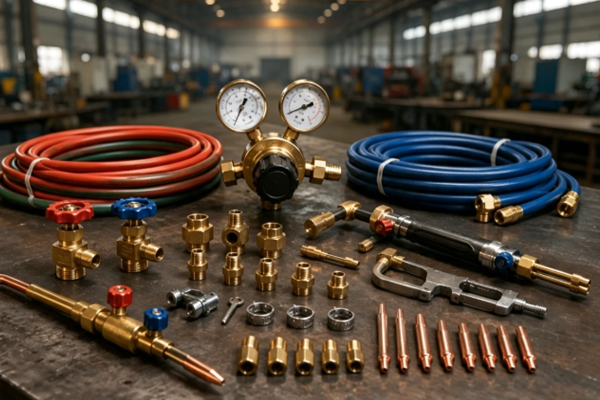
Therefore, an acetylene regulator must not only provide precise pressure adjustment but also work as part of a complete supporting system together with acetylene cylinders, hoses, pressure gauges, and welding equipment. Selecting an acetylene regulator suitable for the construction environment can improve welding quality, reduce gas waste, and lower safety risks during construction. Zhongcheng Gas Cylinder Co., Ltd. specializes in the manufacturing and supply of industrial gas cylinders and related accessories. Our products are widely used in welding, cutting, metal processing, gas transportation, industrial storage, and other gas supply fields. We provide overseas buyers with product selection, OEM customization, quality inspection, export packaging, and transportation coordination services. Our goal is to provide reliable gas cylinder products and professional services for industrial customers worldwide.
Basic Functions and Equipment Components of Acetylene Regulators in Construction
The Role of Acetylene Regulators in Gas Welding Operations
An acetylene regulator is mainly installed at the outlet of an acetylene cylinder to reduce the internal cylinder pressure and provide stable output pressure according to the actual requirements of welding and cutting equipment. When acetylene is used at construction sites, directly supplying high-pressure gas without a regulator can cause the gas to enter welding equipment too quickly, which not only affects flame stability but may also damage the equipment. The acetylene regulator controls gas flow through its internal valve structure, converting gas from a high-pressure state into a low-pressure state suitable for use. Construction workers can adjust the pressure according to different operation requirements. For example, steel plate cutting, steel bar processing, and pipeline welding all require different gas output conditions.
| Supporting Component | Main Function |
| Acetylene Cylinder | Stores acetylene gas and provides the gas source |
| Acetylene Regulator | Reduces pressure and stabilizes output |
| Pressure Gauge | Displays cylinder pressure and working pressure |
| Gas Hose | Transfers acetylene gas |
| Welding Torch/Cutting Torch | Performs welding and cutting operations |
| Flashback Arrestor | Improves operation safety |
Usage Requirements of Acetylene Regulators at Construction Sites
Gas welding equipment at construction sites usually needs to be moved frequently. Different construction areas may require repeated transportation of gas cylinders and regulator equipment. Therefore, acetylene regulators need to have features such as strong structure, easy installation, and high durability. Dust, moisture, and mechanical impacts in construction environments can affect equipment service life. If the internal components of the regulator do not have sufficient precision, problems such as pressure fluctuations, gas leakage, or unstable adjustment may occur. Therefore, products designed for the construction industry usually use corrosion-resistant materials and undergo sealing performance inspections. During actual purchasing, construction companies pay attention not only to product price but also whether the regulator matches existing cylinder connections, whether it is suitable for long-term use, and whether later maintenance is convenient.
Connection Requirements Between Acetylene Regulators and Cylinder Equipment
An acetylene regulator does not operate independently. It is an important connecting component in the complete gas supply system. When selecting a regulator, users need to confirm cylinder connection standards, working pressure range, connection methods, and operating environment. For example, large construction projects may require long-term continuous welding operations, making industrial regulators with higher stability and durability more suitable. Small maintenance projects usually focus more on lightweight equipment and fast installation.
Implementation Process of Acetylene Regulator Supporting Solutions for Construction Gas Welding Equipment
Selecting Suitable Equipment According to Construction Requirements
When configuring acetylene equipment for construction projects, equipment types need to be determined according to actual work requirements. For example, steel structure installation usually involves a large amount of cutting work and requires a stable acetylene supply. Pipeline construction focuses more on pressure control accuracy and continuous gas supply capability. The equipment selection process generally includes construction requirement confirmation, cylinder specification determination, regulator parameter matching, and selection of supporting accessories.
Common selection items include:
- Confirming acetylene cylinder capacity and connection specifications;
- Selecting an adjustment range according to welding or cutting requirements;
- Configuring matching pressure gauges and connection hoses;
- Checking overall equipment compatibility.
Through advance planning, equipment replacement during construction can be reduced and on-site work efficiency can be improved.
Installation and Adjustment Process of Acetylene Regulators
During acetylene regulator installation, the cylinder outlet must be clean without dust or impurities affecting sealing performance. After connection, the interface should be checked to ensure it is secure, and the pressure gauge display should be confirmed as normal.
The installation process usually includes:
- Checking the condition of the cylinder valve;
- Installing the regulator and securing the connection;
- Connecting the acetylene delivery hose;
- Slowly opening the cylinder valve;
- Adjusting working pressure and testing gas supply conditions.
When adjusting pressure, construction workers should avoid opening the valve too quickly, which may cause sudden pressure changes. Stable operation can reduce equipment impact and extend regulator service life.
Maintenance Management During Construction
After long-term operation, acetylene regulators require regular inspection. Construction site environments are complex, and equipment is easily affected by dust, oil contamination, and collision. Therefore, maintenance work cannot be ignored.
Daily inspection items include:
- Checking whether the regulator housing is damaged;
- Checking whether the pressure gauge display is accurate;
- Checking whether there is gas leakage at connection points;
- Cleaning dust from the equipment surface.
If abnormal pressure changes are found, use should be stopped immediately and inspection should be carried out to avoid affecting construction safety.
Technical Features and Application Advantages of Acetylene Regulator Supporting Solutions
Stable Pressure Control
The quality of welding and cutting operations in construction projects is directly related to the stability of gas supply. If acetylene pressure fluctuates continuously, the flame temperature will change, resulting in uneven cutting edges or reduced welding quality. A high-quality acetylene regulator can maintain stable output pressure, allowing construction workers to control flame conditions more easily and improve processing efficiency. During steel structure fabrication, pipeline installation, and metal repair operations, stable gas pressure helps ensure consistent operation results and reduces rework caused by unstable flames.
Strong Structure Suitable for Complex Construction Environments
Unlike factory production environments, construction sites are often affected by transportation, handling, vibration, and changing weather conditions. Therefore, acetylene regulators need to have strong mechanical performance and reliable durability. Common industrial regulators use metal structural designs and optimized internal sealing components, allowing the products to meet long-term operation requirements in harsh working conditions.
| Usage Environment | Equipment Requirements |
| Construction Site | Impact resistance and durability |
| Steel Structure Processing | Stable gas supply |
| Pipeline Installation | Precise adjustment |
| Outdoor Maintenance | Easy transportation and movement |
Adaptation to Various Welding and Cutting Applications
Acetylene regulators can be used in various applications, including construction steel processing, equipment maintenance, metal cutting, and pipeline construction. Through different product specifications and combinations, they can meet the requirements of different project scales. In addition to product performance, export packaging, accessory combinations, and transportation coordination are also important. A complete supply solution can help purchasers simplify the procurement process and improve equipment utilization efficiency.
Frequently Asked Questions
Q: Can acetylene regulators be installed directly on all acetylene cylinders?
A: Acetylene cylinder connection standards may vary depending on regions and manufacturers. Therefore, users need to confirm connection standards, pressure requirements, and application environments before purchasing. Zhongcheng Gas Cylinder Co., Ltd. can help customers select suitable products according to the information provided.
Q: What should be considered when using acetylene regulators for a long time at construction sites?
A: Regular inspection of connection points, pressure display, and sealing performance is recommended to prevent severe equipment impact. At the same time, durable products should be selected according to construction frequency to improve long-term operational stability.
Q: Can overseas customers receive export services when purchasing acetylene equipment?
A: Yes. We provide overseas buyers with product selection, quality inspection, export packaging, and transportation coordination services, helping customers complete the entire process from procurement to delivery.
Gas welding and gas cutting operations in construction projects rely on stable and safe gas supply, and the acetylene regulator is a key connection component between gas cylinders and construction equipment. A suitable regulator can not only help operators control gas pressure but also improve welding quality and reduce equipment problems during construction. Zhongcheng Gas Cylinder Co., Ltd. has long focused on industrial gas cylinders and related accessories, providing reliable products and professional services for customers worldwide. We can provide acetylene cylinders, regulators, and complete supporting solutions according to different construction requirements, while also offering OEM customization, quality inspection, export packaging, and transportation coordination services.
Whether you are a construction company, industrial equipment purchaser, or overseas gas equipment distributor, we can help you select the appropriate product solution. Contact us today to obtain acetylene regulator supporting solutions and product information, making your gas supply system more stable and efficient.
Tel: +86 155 94958603
Email: sales.trustank@gmail.com