
With the continued advancement of the circular economy and green environmental protection industries, recycling resource stations are playing an increasingly important role in the recovery and processing of scrap metal, discarded equipment, steel structural materials, and industrial waste. In actual operations, processes such as metal dismantling, cutting, sorting, and handling often require stable, continuous, and safe industrial gas support. Among these gases, acetylene is widely used in scrap steel dismantling, equipment removal, and metal processing because of its high cutting efficiency and broad application scenarios. Faced with growing processing volumes, increasing operational intensity, and higher on-site management requirements, traditional gas supply methods can no longer balance efficiency, safety, and cost control at the same time. Building a scientifically designed acetylene tank application solution has become an important foundation for recycling resource stations to improve operational capability and market competitiveness.
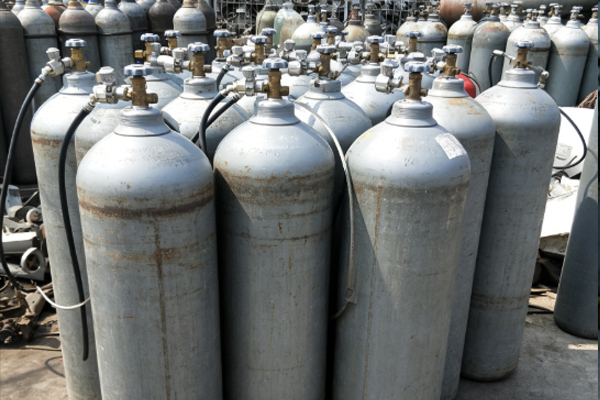
Why Recycling Resource Stations Need an Acetylene Tank Solution
Recycling resource stations usually feature dispersed work areas, a large number of equipment units, and frequent gas consumption, which means the gas supply system must not only be stable but also highly adaptable and easy to manage.
Meet High-Intensity Metal Dismantling Requirements
During scrap metal processing, cutting operations often run through the entire dismantling workflow, from incoming sorting to final sectioning, all of which depend on continuous and stable gas support.
- Support long-duration continuous cutting: During the dismantling of scrap steel, scrap iron, and large metal structures, acetylene tanks can provide more stable gas output and reduce downtime and waiting caused by frequent gas source replacement.
- Meet simultaneous multi-station operation needs: For large recycling stations, multiple dismantling stations often need to operate at the same time, and a centralized gas supply mode is better suited to simultaneous gas use across different areas.
- Improve equipment operating efficiency: A stable gas source helps cutting equipment maintain better working conditions and reduces interruptions caused by pressure fluctuations, thereby improving overall processing efficiency.
A stable acetylene supply not only ensures continuous dismantling operations but also helps enterprises maintain higher scrap metal processing capacity during peak periods.
Optimize Recycling Station Operations Management
As business scale continues to expand, traditional decentralized cylinder management methods can easily lead to frequent transportation, disorganized inventory, and complicated on-site scheduling, thereby increasing operational burdens.
- Reduce frequent transportation and replacement work: A centralized acetylene tank configuration can reduce the number of cylinder transfers, allowing on-site staff to focus more on dismantling and sorting tasks.
- Improve standardized on-site management: A unified gas supply system makes it easier to establish standardized management procedures and helps reduce safety risks caused by inconsistent operations.
- Lower labor scheduling pressure: Once the gas supply system has stable output capability, managers no longer need to frequently coordinate gas replenishment, thereby improving overall management efficiency.
A complete acetylene tank solution helps enterprises build a more efficient, clear, and sustainable management system, laying the foundation for future expansion and upgrades.
Components of an Acetylene Tank Solution for Recycling Resource Stations
An acetylene tank solution is not simply a stack of individual devices, but a complete system covering storage, delivery, safety, and maintenance. Only when each part works together can stable gas supply truly be achieved.
Core System Configuration
| Configuration Module | Main Function | Application Value |
| Acetylene Tank Storage System | Gas storage and supply | Meets continuous operation needs |
| Pressure Reducing and Stabilizing Device | Controls output pressure | Ensures stable cutting quality |
| Pipeline Delivery System | Gas transmission | Improves gas supply efficiency |
| Safety Monitoring Device | Operation monitoring | Enhances safety management capability |
| Maintenance Management System | Routine maintenance | Extends equipment service life |
Proper configuration of each module not only improves the operating efficiency of the overall gas supply system but also helps the recycling station maintain more stable production conditions and lower failure risks during long-term use.
Acetylene Tank Storage System Planning
Storage capacity is a key factor determining whether a recycling station can operate continuously, especially during centralized dismantling and peak processing periods, where sufficient gas storage directly affects production rhythm on site.
- Plan storage capacity according to daily processing volume: Enterprises should reasonably determine the storage scale of acetylene tanks based on daily scrap metal processing volume, cutting frequency, and operating hours to avoid gas shortages.
- Configure equipment according to the number of cutting stations: Different stations have different gas consumption needs, and the storage system should fully consider the number of simultaneous operations to ensure stable gas supply in each area.
- Reserve space for future expansion: As business grows, the processing capacity and number of stations at the recycling station may continue to increase, so future expansion convenience should be considered during the initial planning stage.
Scientific storage system planning can effectively reduce the cost of later upgrades and modifications, while also enabling enterprises to remain more adaptable as business grows.
Delivery and Pressure Control System
Stable gas supply is the foundation for ensuring cutting performance, and the delivery and pressure control system is the key link that determines whether gas can reach each station smoothly.
- Maintain stable output pressure: During cutting, pressure fluctuations directly affect flame condition and cutting results, so the role of the pressure stabilizing device is extremely important.
- Reduce transmission losses: Reasonable pipeline layout and delivery path design can reduce pressure loss during gas transmission and improve overall utilization efficiency.
- Improve flame stability: Stable pressure output allows the cutting flame to remain more uniform, thereby improving cut quality and operational safety.
A complete delivery system not only improves cutting quality but also makes on-site operations smoother and reduces rework and waste caused by unstable gas pressure.
How Recycling Resource Stations Should Configure an Acetylene Tank Solution
Recycling stations of different sizes and business types have different requirements for acetylene tank solutions. Therefore, targeted design based on actual site conditions is essential to achieve truly efficient application.
Plan According to Recycling Scale
Different enterprise sizes require different gas supply system configurations. Only by planning according to actual processing capacity can resource waste or gas shortages be avoided.
Small Recycling Stations
Small recycling stations with fewer workstations and relatively controllable gas consumption mainly require a gas supply system that is stable, simple, and easy to maintain. A basic acetylene tank configuration can meet daily dismantling and cutting needs while offering high cost-effectiveness and convenient later management and maintenance.
Medium and Large Recycling Centers
Medium and large recycling centers usually have multiple dismantling areas, and cutting, sorting, and handling operations often occur simultaneously, which places higher demands on gas supply continuity and stability. Especially during batch processing of scrap steel or large equipment removal, gas consumption is concentrated. A centralized gas supply mode is more convenient for unified scheduling and reduces time loss caused by frequent gas replenishment, making it more suitable for large-scale operations.
Configure According to Processed Materials
Different recycled materials have significantly different gas usage requirements, so the actual processing objects and operating methods should be fully considered when configuring an acetylene tank solution.
- Scrap steel recycling: Usually requires stronger cutting capability and longer continuous operation time, so a system with higher stability and larger storage capacity is more suitable.
- Discarded equipment dismantling: This type of work often involves metal parts of different sizes and materials, so the gas supply system needs better flexibility and adaptability.
- Steel structure recycling: Steel structures are large in volume and have long dismantling cycles, which places higher demands on continuous gas supply, especially stable pressure and uninterrupted output.
Configuring equipment according to specific business scenarios allows the acetylene tank solution to better match actual production needs, thereby achieving higher efficiency and better return on investment.
Establish a Comprehensive Maintenance Mechanism
For an acetylene tank system to operate stably over the long term, standardized maintenance and management are essential. Only by implementing daily inspections and regular servicing can failure risks be effectively reduced.
- Regularly inspect valves and pipelines: Periodic checks of key components can help identify aging, loosening, or leakage issues in time and prevent them from affecting normal gas supply.
- Establish an inspection system: Assigning dedicated personnel to daily inspections helps keep track of equipment operating conditions and address problems before they escalate.
- Keep maintenance records: Complete maintenance files not only make it easier to track equipment status but also provide a basis for later configuration optimization and fault analysis.
Standardized management can significantly reduce system failure rates and improve the reliability and service life of the gas supply system.
The Value Brought by an Acetylene Tank Solution to Recycling Stations
A complete gas supply system not only meets production needs but also helps enterprises improve overall competitiveness in terms of efficiency, cost, and development potential.
Improve Scrap Metal Processing Efficiency
Stable gas supply allows cutting equipment to operate continuously and efficiently, reducing pauses caused by insufficient gas or pressure fluctuations, and making the entire dismantling process smoother.
- Increase daily processing capacity: When the gas supply system can continuously and stably output gas, the recycling station can process more scrap metal and equipment each day.
- Shorten dismantling cycles: Stable gas support reduces waiting and switching time, allowing dismantling tasks to be completed faster.
- Improve resource recovery efficiency: More efficient cutting and dismantling processes help increase metal recovery rates and subsequent sorting efficiency.
Once efficiency improves, enterprises can not only undertake more recycling projects but also gain stronger responsiveness in market competition.
Reduce Overall Operating Costs
A reasonable gas management approach helps enterprises reduce unnecessary expenses and makes resource allocation more efficient and operating costs more controllable.
- Lower transportation costs: After centralized gas supply is adopted, the number of cylinder transportation and handling operations decreases significantly, and related logistics costs also decline.
- Reduce labor input: With unified gas supply system management, on-site staff no longer need to frequently handle gas source replacement, naturally optimizing labor costs.
- Improve gas utilization: Stable delivery and pressure control reduce waste and allow every portion of gas to be used more effectively.
In the long run, an acetylene tank solution helps enterprises maintain production efficiency while further strengthening profitability.
Support the Scaled Development of Recycling Stations
As recycling business continues to grow, gas demand will also keep increasing. Therefore, an acetylene tank solution with expansion capability is especially important for future development.
- Facilitate future expansion and upgrades: When business volume increases, the system can be expanded according to actual needs without having to be completely rebuilt.
- Meet the needs of additional workstations: As dismantling areas and workstations increase, the gas supply system can better adapt to the new production layout.
- Support large-scale project operations: For batch dismantling, centralized processing, and long-term cooperation projects, a stable gas supply system can provide more reliable support.
A flexible system solution not only meets current needs but also provides continuous support for the enterprise’s future scaled development.
The recycling resource industry is moving steadily toward greater scale, specialization, and efficiency, and a stable and reliable gas supply system has become an important foundation for improving processing capacity at recycling stations. An acetylene tank solution can effectively meet the continuous gas demand of scrap steel dismantling, equipment recycling, and steel structure cutting operations. By properly configuring storage systems, delivery systems, and safety management systems, enterprises can improve production efficiency, reduce operating costs, and strengthen market competitiveness. Combined with the coordinated application of acetylene tanks and acetylene generator canisters, on-site gas supply efficiency can be further optimized. Zhongcheng Gas Tanks can provide reliable gas storage and transportation solutions for recycling enterprises, helping them achieve more stable and efficient operations.