
When temperatures drop, one of the biggest challenges on a construction site is keeping the working environment warm enough. Concrete curing, interior finishing, temporary work areas, and some construction equipment may all require a reliable heat source during cold weather. For the construction industry, propane cylinders used with compliant gas heating equipment can provide a practical option for temporary heating and certain heating applications. Anyone who has worked on a construction site knows that it is not enough for equipment to simply “burn.” The gas supply needs to be stable, cylinders should be easy to replace, and storage and ventilation need to be properly managed.
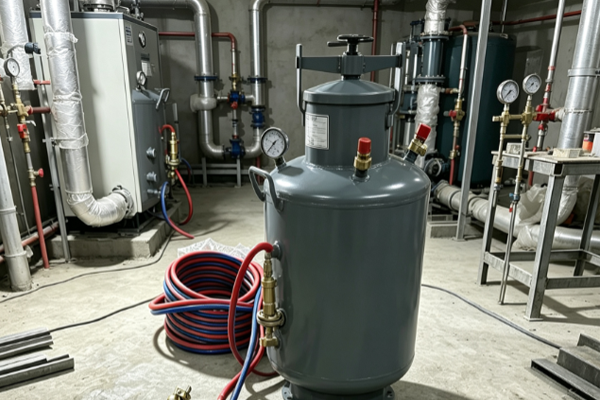
Why Do Construction Sites Need Propane Cylinders for Heating?
Cold weather can directly affect construction schedules and working conditions. On new construction projects, permanent heating systems may not yet be operational, while workers may still need to complete tasks in enclosed areas. Some construction processes may also require temperature control. Propane has a high energy density and, when used with approved heating equipment, can serve as a fuel option for temporary construction heating. For contractors, practical issues such as equipment mobility, cylinder replacement, daily gas consumption, and storage are often more important than simply choosing the highest heating output.
Temporary Heating for Construction Areas
New construction projects may not have a permanent heating system during the early stages. Suitable temporary heating equipment can help improve working conditions when used correctly.
- Temporary heating during interior finishing.
- Supplemental heating in enclosed construction areas.
- Compliant heating for designated worker areas during winter.
- Auxiliary heating where certain construction materials require suitable temperatures.
Propane combustion produces combustion products, so indoor use requires suitable ventilation and exhaust arrangements. Equipment must also be operated in accordance with the manufacturer’s instructions.
For temporary heating, the goal is not simply to raise the temperature as quickly as possible. Stable operation, adequate ventilation, and sufficient clearance around the equipment are just as important.
How Should Construction Sites Choose Propane Cylinders for Heating?
Choosing propane cylinders for a construction project often comes down to more than cylinder capacity. A larger cylinder may reduce replacement frequency, but it can also be more difficult to move, secure, and store. A smaller cylinder may be easier to handle but could require frequent replacement. Since construction projects and site conditions can change quickly, a practical setup should consider actual gas consumption, heater output, operating hours, and available storage conditions.
Plan Cylinder Supply Around Heating Equipment and Operating Time
Different heating systems consume different amounts of propane, and daily operating hours can have a major effect on fuel requirements. Before purchasing, it helps to estimate how many hours the equipment will run each day and calculate the expected gas consumption.
| Actual Site Requirement | Configuration Worth Considering | Why Workers Care |
| Small area, short heating periods | Flexible cylinders that are easy to replace | Avoids occupying unnecessary storage space |
| Large temporary heating area | Stable gas supply and backup cylinders | Reduces interruptions during construction |
| Continuous winter construction | Cylinder quantity and refill plan | Prevents fuel shortages during cold weather |
| Frequent relocation | Handling and securing requirements | Makes equipment easier to move between work areas |
| Outdoor construction | Equipment suitability for cold conditions | Helps maintain reliable operation |
| Long-term project | Filling, inspection, and supply arrangements | Makes ongoing management easier |
There is no single cylinder configuration that works for every construction site. Listing the heater model, daily operating hours, expected consumption, and number of workers can make purchasing decisions much clearer.
Questions to Ask Before Purchasing
Cylinder purchasing should not be based on price alone. Contractors should confirm whether the cylinders meet local regulations and inspection requirements and whether future filling and inspection can be handled through authorized channels.
- Is the cylinder specification suitable for the planned heating equipment?
- What inspection and usage requirements apply?
- Are the regulator, hose, and connection components compatible?
- What requirements apply to transportation and on-site storage?
Clarifying these points in advance can prevent unnecessary problems when cylinders need to be replaced, transported, inspected, or refilled.
How Should Propane Cylinders Be Used Safely for Construction Heating?
Construction sites can be busy and complicated, with steel, timber, fuel, machinery, and electrical equipment operating in the same general area. Propane cylinders should never be placed directly beside heaters simply because that location is convenient. They should not block walkways either. Heating areas should be planned in advance, with cylinders kept at the required safe distance from heat sources and properly protected from tipping and impact.
Choose a Suitable Cylinder Storage Location
Cylinders should be kept upright and secured in a well-ventilated area. Specific storage distances, protective measures, and environmental conditions must follow local regulations and the requirements provided by the cylinder and heating equipment manufacturers.
- Keep cylinders away from flames, hot surfaces, and areas where sparks may occur.
- Do not place cylinders where vehicles frequently pass.
- Avoid exposing cylinders to conditions that could cause significant mechanical damage.
- Keep the storage area accessible for inspection and routine management.
Inspect the Gas Supply System Before Use
Before starting the heater, inspect the cylinder valve, regulator, hose, and connection points. If there is a suspected leak, visible damage, or abnormal equipment behavior, stop using the system and follow the site’s safety procedures.
Gas pressure should not be adjusted based on guesswork. The required operating pressure should follow the heating equipment manufacturer’s specifications.
Do Not Ignore Ventilation
When propane heating equipment is used in an enclosed area, ventilation and exhaust must be taken seriously. Combustion equipment consumes oxygen and produces combustion products. Poor ventilation can create serious hazards.
Indoor heating should use equipment designed for the intended environment, with ventilation and exhaust arrangements installed according to the manufacturer’s requirements. Cold weather is not a reason to completely seal an enclosed space.
Which Construction Heating Applications Are Suitable for Propane Cylinders?
Heating requirements vary greatly between construction projects. New factories, residential buildings, commercial properties, and road construction sites can have completely different conditions. Propane cylinders are more suitable for applications where compliant gas heating equipment is available, a temporary or mobile heat source is required, and appropriate safety controls can be maintained.
Indoor Work in New Buildings
During the finishing and installation stages, permanent heating may not yet be available. Suitable temporary heating equipment can provide supplemental heat when used correctly.
Winter Construction Areas
Some enclosed construction areas may need to maintain a suitable working temperature during winter. Propane heating equipment can serve as a temporary heat source where permitted and properly managed.
Construction Material Heating
Certain construction processes may require temperature control or auxiliary heating for specific materials. Before using propane heating, the equipment and construction process should be confirmed as suitable for this application.
Outdoor Construction
Winter road construction and steel structure installation may require localized heating. Outdoor applications require additional attention to wind conditions, cylinder securing, and the equipment’s suitability for low temperatures.
Different applications have different requirements. A configuration designed for indoor finishing work should not simply be copied for a large outdoor construction project. Heater output, cylinder quantity, and backup fuel supplies should be planned separately.
How Can Construction Sites Make Propane Heating Easier to Manage?
One of the most frustrating situations on a construction site is running out of fuel halfway through a job. Another common problem is having propane in the cylinder but being unable to operate the heater because of an unsuitable regulator or damaged hose. A simple fuel-use record can help. Track daily consumption, equipment operating hours, and cylinder replacement frequency. After several days of use, the actual consumption pattern will become much easier to estimate.
A simple daily routine can include:
- Check the gas connections before starting the heater.
- Handle and transport cylinders according to applicable requirements.
- Arrange authorized refilling or backup cylinders in advance.
- Regularly inspect cylinders and related equipment.
For long-term projects, contractors can also create a fuel replenishment schedule to avoid having to find additional fuel during cold snaps or busy construction periods.
For the construction industry, the best propane cylinder heating setup is not necessarily the most complicated one. What matters is that the fuel supply, heating equipment, and site management work well together. Choose cylinder specifications that match actual consumption, keep a reasonable backup supply, and manage storage and ventilation properly. Daily work becomes much easier when the equipment is practical and predictable.
Winter construction is already affected by weather conditions, and heating problems can make delays even worse. Propane cylinders paired with compliant heating equipment can provide a flexible temporary heat source for suitable construction applications, but safety has to come before convenience. Cylinders must comply with applicable requirements, equipment must be compatible, and transportation and storage must be properly managed. Indoor heating also requires appropriate ventilation and exhaust. When these details are planned before the cold weather arrives, construction teams can avoid unnecessary interruptions and keep temporary heating work much more manageable.