
Cutting work is a regular part of construction projects. From steel bar processing and beam installation to old factory dismantling, many tasks require a reliable acetylene supply. For contractors handling long-term projects, gas supply involves more than simply purchasing a few cylinders. Cylinders need to be ordered in advance, delivered to the site, collected after use, and refilled. If a construction site is far from an acetylene filling station, transportation costs and delays in replenishment can affect the work schedule. A mobile acetylene generator produces acetylene on-site using industrial calcium carbide and water, reducing dependence on prefilled cylinders. Before purchasing, contractors need to consider gas production capacity, standard accessories, and long-term operating costs.
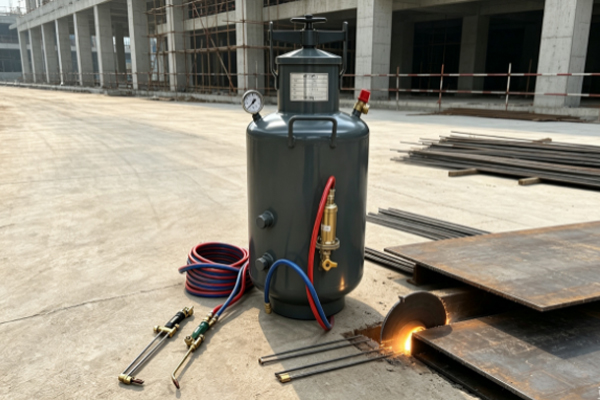
What Configuration Does a Mobile Acetylene Generator Need for Construction Site Cutting?
Cutting requirements vary from one construction project to another. Some sites mainly handle steel bars, pipes, and metal scraps, while others involve dismantling large steel beams, frames, and machinery. When selecting equipment, contractors should consider more than the purchase price. Daily workload, the number of cutting tools operating simultaneously, and the required operating hours all affect the equipment specifications.
Choose Gas Production Capacity Based on Cutting Requirements
Before purchasing, estimate daily cutting hours and expected acetylene consumption. If only one team performs occasional cutting, gas demand may be relatively low. However, when several teams work simultaneously, the generator needs sufficient output capacity. The rated gas production capacity must match actual consumption. Choosing equipment that is too small just to reduce the purchase cost may cause supply problems during construction.
Contractors should prepare the following information in advance:
- Estimated daily acetylene consumption and operating hours.
- Number of cutting torches used simultaneously.
- Approximate quantity of steel materials to be processed each day.
- Expected project duration.
- Whether the working area changes frequently.
What Accessories Should a Complete Equipment Set Include?
In addition to the generator itself, cutting tools, gas hoses, and pressure monitoring components should be confirmed before purchase. Complete accessories make installation and daily operation more convenient once the equipment arrives at the construction site.
| Accessory | Standard Quantity | Main Purpose |
| Welding torch | 1 | For compatible welding applications |
| Cutting torch | 1 | For compatible metal cutting |
| Dual-color hose | 10 meters | Connects the generator to working tools |
| Filter | 1 | Part of the gas delivery system |
| Pressure gauge | 1 | Monitors equipment pressure |
| Safety relief valve | 1 | Releases pressure under specified conditions |
| Annealed fusible plug | 1 | Standard equipment accessory |
If several teams need to work at the same time, simply adding more cutting torches will not necessarily solve the problem. Contractors must also check the generator’s rated output, permitted pipeline connections, and technical requirements. Any special accessories should be discussed before ordering to avoid compatibility issues after delivery.
How Does a Mobile Acetylene Generator Support Continuous Cutting Work at Construction Sites?
Traditional acetylene cylinders need to be purchased from filling stations. After use, empty cylinders must be collected and returned for refilling. For construction sites located far from filling stations, this process increases transportation and management work. A mobile acetylene generator uses a chemical reaction between industrial calcium carbide and water to produce acetylene on-site, reducing reliance on prefilled cylinder deliveries.
On-Site Gas Production Reduces Repeated Transportation
When cutting work takes place every day, cylinder replenishment can become a recurring expense. Using on-site gas production equipment helps reduce the frequency of full-cylinder deliveries and empty-cylinder returns.
- Fewer cylinder transportation trips.
- Less need to store large quantities of spare cylinders.
- Suitable for construction sites far from filling stations.
- More practical for projects with long-term and continuous gas demand.
Water-Displacement Operation Helps Regulate Gas Production
This mobile acetylene generator uses a water-displacement operating principle. When the internal pressure increases, water is pushed into a separate storage tank and becomes separated from the reaction material, stopping the gas-producing reaction. When acetylene is consumed and the internal pressure drops, water returns from the storage tank and comes into contact with the reaction material again, allowing gas production to resume.
Under the equipment’s designed operating conditions, this structure adjusts gas production according to pressure changes and reduces the need for frequent manual intervention. Acetylene is delivered through designated pipelines to compatible welding or cutting torches for applications permitted by the equipment specifications.
What Daily Operating Details Should Construction Teams Check?
Although mobile equipment reduces cylinder transportation, it still requires proper management. Workers should inspect the equipment, raw materials, and connections according to operating procedures. Routine safety checks should never be skipped just to save time.
- Industrial calcium carbide must meet the equipment’s requirements and be stored properly.
- Water and reaction materials must be added according to the operating instructions.
- Regularly inspect pipelines, pressure gauges, and safety accessories.
- Keep the equipment in a well-ventilated area away from open flames and other ignition sources.
Acetylene is highly flammable and must be handled by trained personnel. Operating pressure limits and safety relief settings must follow the equipment nameplate and technical documentation. Safety devices must never be adjusted without authorization, and the equipment must not be used in locations without the required safety conditions.
How Much Can Construction Sites Save by Using Mobile Acetylene Generators?
Many contractors compare the purchase price of an acetylene generator directly with the cost of buying traditional gas cylinders. This comparison often overlooks ongoing expenses. In addition to gas filling charges, traditional cylinders involve acetone loss, cylinder depreciation, periodic inspections, delivery, and empty-cylinder collection. A mobile acetylene generator requires an initial investment, but the long-term cost structure can be different when acetylene is used every day.
Cost Differences Between Traditional Cylinders and On-Site Gas Production
| Cost Item | Mobile Acetylene Generator | Traditional Acetylene Cylinders |
| Initial investment | Purchase of generator equipment | Purchase or provision of cylinders |
| Acetylene source | On-site production using calcium carbide and water | Gas supplied by filling stations |
| Daily replenishment | Replenish reaction materials | Replace or refill cylinders |
| Logistics costs | Reduces cylinder transportation | Full-cylinder delivery and empty-cylinder returns |
| Ongoing maintenance | Equipment inspection and maintenance | Cylinder inspections, acetone replenishment, and maintenance |
| Suitable projects | Long-term projects with high gas consumption | Short-term projects with occasional gas use |
For construction projects in remote areas, cylinder transportation can account for a significant share of operating expenses. If there is no local acetylene filling station, contractors may need to arrange deliveries from other regions. The longer the project continues, the more repeated transportation can add to the total cost.
How to Calculate Calcium Carbide Gas Yield and Raw Material Costs?
Industrial calcium carbide has a reference gas yield of approximately 285–300 L/kg. Under reference conditions, one metric ton of calcium carbide can produce around 280–300 m³ of acetylene. Actual output depends on calcium carbide quality, equipment condition, and operating conditions. Theoretical gas yield should not be treated as the guaranteed output of a construction site.
The following figures can be used for preliminary cost calculations:
| Calculation Item | Reference Data |
| Industrial calcium carbide gas yield | 285–300 L/kg |
| Reference output per metric ton | 280–300 m³ |
| Main raw materials | Industrial calcium carbide and water |
| Main operating costs | Calcium carbide, equipment maintenance, and site management |
| Factors affecting costs | Raw material prices, transportation distance, gas consumption, and project duration |
Which Projects Benefit Most from the Cost Advantages?
For contractors who regularly handle building demolition, steel structure installation, and large-scale metal cutting, higher equipment utilization can help spread the initial investment over more projects. Under specific project conditions, using a mobile acetylene generator may reduce long-term overall costs by approximately 40%–60%. This is not a guaranteed saving rate. Actual savings need to be calculated based on local calcium carbide prices, transportation distances, and gas consumption.
What Should You Confirm Before Purchasing a Mobile Acetylene Generator for Construction Sites?
Successful equipment operation depends on more than gas production capacity and purchase price. The construction site must also have suitable operating conditions. Some projects are located in remote areas where calcium carbide transportation, equipment delivery, and daily management need to be arranged in advance. Other sites have high gas consumption but widely separated working areas, making equipment placement and pipeline layout important. Confirming these details before purchasing can prevent unnecessary difficulties after delivery.
Delivery Location and Transportation Conditions
A mobile acetylene generator needs to be transported to the construction site. Buyers should confirm the destination and unloading conditions in advance, especially for international construction projects.
- Provide the destination country and port.
- Confirm whether transport vehicles can access the construction site.
- Check equipment dimensions and unloading requirements.
- Review local import requirements and relevant transportation regulations.
Is Calcium Carbide Readily Available at the Site?
Mobile acetylene generators use industrial calcium carbide and water to produce acetylene. If the construction site has a stable supply of calcium carbide that meets the equipment requirements, daily operation will be more convenient. Before purchasing, check local raw material prices, transportation distances, and supply conditions. This helps prevent situations where the equipment arrives but the required materials are difficult to obtain.
Is the Equipment Suitable for Future Projects?
If a construction team regularly handles steel structure dismantling, factory renovation, and cutting projects in different locations, it is worth considering whether the equipment can be reused on future jobs. Check the following details before ordering:
- Whether the gas production capacity meets typical project requirements.
- Whether the equipment dimensions are suitable for transportation and site placement.
- Whether the standard accessories meet daily operating needs.
- Whether trained operators and proper maintenance conditions are available locally.
How Should You Calculate the Purchase and Transportation Costs?
The equipment budget should include more than the purchase price. Packaging, transportation, and destination-related expenses should also be considered. Shipping costs can vary considerably between countries and destination ports. Providing the purchase quantity and delivery information in advance makes it easier to calculate the overall budget.
For construction teams planning long-term cutting operations, proper preparation can reduce additional expenses after equipment delivery. Our mobile acetylene generator comes with a 2-year warranty and has a designed service life of 6–8 years under proper operating and maintenance conditions. If you are looking for an acetylene generator for construction site applications, contact us with your destination country, port, planned purchase quantity, and estimated gas consumption. We can help calculate the required output capacity, equipment price, and total shipping costs to ensure the configuration matches your project requirements.