
Metal cutting is a common task on construction sites. Steel structure installation, equipment removal, steel trimming, and temporary repairs may all require gas cutting. On a large construction site, work areas can change frequently, making fixed gas supply systems impractical for many temporary jobs. Workers need a gas supply that is easy to move, stable during operation, and simple to manage. This is where a portable acetylene cylinder solution can be useful. For the construction industry, choosing the right cylinder is only part of the job. Regulators, hoses, cutting equipment, cylinder securing methods, transportation, and storage also need to be considered. With the right setup, workers can spend less time dealing with equipment and more time getting the cutting work done.
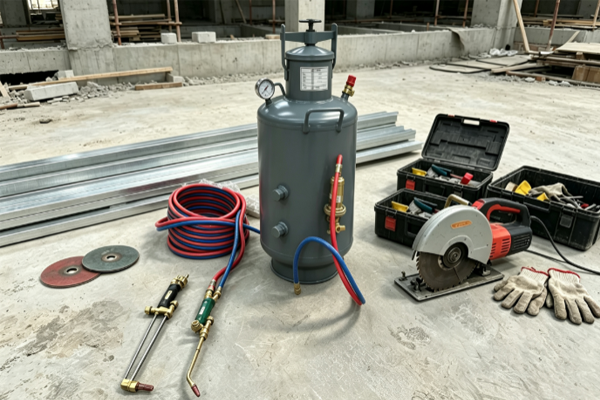
Why Do Construction Sites Need Portable Acetylene Cylinders?
Construction sites are very different from fixed fabrication workshops. Materials, equipment, and work crews may move from one area to another every day. Steel structure installation may require cutting in one area, while equipment maintenance or demolition work may require gas cutting somewhere else. Installing a fixed gas supply system at every temporary work location would increase both cost and complexity. Portable acetylene cylinders offer greater flexibility and are well suited to temporary, scattered, or short-distance mobile cutting jobs.
What Construction Jobs Are Suitable for Portable Acetylene Cylinders?
Acetylene is commonly used together with oxygen and compatible cutting equipment for metal cutting and related thermal processing. In the construction industry, common applications include:
- Cutting and adjusting steel structures during installation
- Cutting metal during construction equipment removal
- Processing steel, profiles, and other metal materials on site
- Repairing construction equipment and metal components
These jobs have one thing in common: they are not always carried out in the same location. A portable gas cylinder can make it easier to move the gas supply with the work crew instead of installing a permanent system for every temporary task.
Why Is Portability So Important on Construction Sites?
In simple terms, portability means less equipment to move, fewer temporary pipelines to install, and less space occupied. For construction maintenance crews, a properly configured portable gas supply can make unexpected cutting jobs much easier to handle.
However, portable does not mean the cylinder can be moved or placed casually. Cylinders should remain upright and properly secured, while transportation, storage, and handling must comply with applicable local requirements.
How to Choose an Acetylene Cylinder for On-Site Cutting?
When purchasing acetylene cylinders for on-site cutting, many buyers immediately look at price and capacity. In actual use, however, factors such as ease of handling, cylinder replacement frequency, and compatibility with existing cutting equipment can have a much greater impact on daily work. Construction projects vary in duration and cutting workload. A small repair job and continuous steel structure work should not necessarily use the same cylinder configuration. Before purchasing, it is worth looking at the actual workload, operating time, and site conditions.
Match Cylinder Capacity to Actual Gas Consumption
If the site only needs to perform occasional cutting, an oversized cylinder may create unnecessary handling and storage challenges. If cutting is required for long periods every day, a cylinder with insufficient capacity may need frequent replacement.
A practical selection process should consider:
- Average daily cutting time
- Frequency of cylinder replacement
- Expected gas consumption
- Availability of backup cylinders
The goal is to find a setup that provides enough gas without making transportation and site management unnecessarily difficult.
What Should Be Checked Before Purchasing?
Acetylene cylinders should comply with applicable local regulations and relevant standards and should be within the required inspection period. Buyers should also confirm product information with the supplier and check whether future filling, inspection, and supply services are available.
- Is the cylinder specification suitable for the cutting workload?
- Is the cylinder within its required inspection period?
- Are the valve and connection specifications compatible with the equipment?
- Is there a reliable channel for future filling, inspection, and delivery?
A low purchase price does not necessarily mean a low overall cost. An unsuitable cylinder can lead to more frequent replacement, additional transportation, and greater management costs.
What Do Construction Buyers Care About Most?
| Purchasing Item | Key Question on Site | What to Consider |
| Cylinder capacity | How often will it need to be replaced? | Match capacity to actual cutting demand |
| Portability | Will the cylinder be moved between work areas? | Choose a configuration that can be safely handled |
| Regulator | Is it compatible with the existing equipment? | Confirm the model and application requirements |
| Hoses and connectors | Can the system operate reliably? | Use compliant components designed for the system |
| Backup cylinders | Could running out of gas stop the job? | Prepare backup supply for continuous work |
| Inspection and filling | Where will cylinders be serviced? | Confirm an authorized supply and service channel |
| Storage | Is there enough suitable storage space? | Designate an appropriate cylinder storage area |
This table can also serve as a practical purchasing checklist. The cylinder price is only one part of the cost. Capacity, accessories, backup supply, inspection, and ongoing service can all affect how convenient the system is to use on site.
How to Configure and Use Portable Acetylene Cylinders on Construction Sites?
Once a portable acetylene cylinder is brought into actual construction work, the focus shifts from purchasing to daily management. Construction sites often have vehicles, lifting equipment, welding equipment, and workers operating in the same area. If cylinders are not properly secured, they can be exposed to impact or accidental movement. On-site cutting also involves flames and high temperatures, so cylinder placement should never be based simply on convenience. A good configuration should be easy for workers to access while keeping cylinders away from unnecessary hazards.
Secure Cylinders Properly During Movement and Use
Cylinders should remain upright and securely fixed. Suitable handling methods should be used during transportation, and cylinders should not be dragged, rolled, or subjected to impact.
Vehicle routes, lifting zones, and crowded material storage areas are not suitable locations for casually placing cylinders.
Construction teams can designate a specific cylinder storage area and move cylinders to the work zone only when required. This makes cylinder management easier and reduces the chance of accidental contact with construction machinery.
Do Not Mix Regulators and Hoses Randomly
Acetylene cylinders require compatible regulators, hoses, and connection components. Different equipment cannot always be mixed and matched. When cutting equipment is replaced or changed on a construction site, compatibility should be checked again.
Before use, inspect the cylinder valve, regulator, hoses, and connection points. If there is visible damage, abnormal equipment behavior, or a suspected leak, stop using the system immediately and have qualified personnel handle the issue according to the site’s safety procedures.
Carry Out a Simple Pre-Use Inspection
The inspection does not need to be complicated. A basic check before starting work can help identify problems early:
- Check the cylinder body and valve for visible abnormalities
- Inspect the regulator and connecting hoses
- Confirm that the cylinder is securely fixed
- Make sure there are no unnecessary heat, flame, or ignition sources nearby
These checks may seem simple, but construction equipment is used frequently and under demanding conditions. Finding a problem before cutting starts is much easier than dealing with equipment trouble in the middle of a job.
How Can Construction Sites Improve Acetylene Gas Supply Management?
One of the biggest frustrations during on-site cutting is not a lack of equipment, but running out of gas halfway through a job or discovering that the equipment does not match after moving to another work area. When construction schedules are tight, even a small delay can affect the following work. For construction teams, a practical approach is to manage cylinder usage, backup supply, and replenishment together instead of waiting until the last cylinder is nearly empty.
Plan Backup Gas Supply Based on Actual Consumption
Construction teams can keep a simple record of daily operating time and cylinder replacement frequency. After several days, the actual consumption pattern becomes much clearer. This information can then be used to plan an appropriate number of backup cylinders and a replenishment schedule.
For long-term projects, it can be useful to establish a regular filling and delivery plan. Short-term projects may need a more flexible supply arrangement. The key is to maintain enough reserve supply so that a temporary shortage does not interrupt construction.
Use Different Configurations for Different Work Areas
Steel structure installation, equipment maintenance, and demolition work do not necessarily have the same gas supply requirements. Maintenance crews that frequently change locations may place greater importance on portability and easy equipment management, while a concentrated cutting area may place greater emphasis on continuous gas supply.
For large construction sites, the cylinder storage area can also be separated from the actual cutting area. Cylinders can be safely transported to the work zone when needed instead of being left for long periods in areas with frequent vehicle and machinery movement.
Make Daily Management Easier for Workers
Site management does not need to be complicated, but some basic information should remain clear:
- Which cylinders are currently in use
- Which cylinders are available as backup
- Which cylinders require inspection or replenishment
- Which areas are currently carrying out cutting work
With this information available, workers do not have to waste time searching for gas cylinders, while site managers can keep a clearer picture of the overall gas supply situation.
The biggest advantage of a portable acetylene cylinder solution for on-site cutting is flexibility. Steel structure installation, equipment maintenance, and metal component removal often require work to shift between different locations, making fixed gas supply systems less convenient. When selecting cylinders, construction teams should consider actual gas consumption, handling requirements, compatible equipment, and backup supply rather than focusing only on purchase price. Cylinder specifications, inspection, filling, transportation, and storage should comply with applicable local requirements, and relevant operations should be handled by properly trained personnel.
On-site cutting is all about getting the job done efficiently. If the gas supply is poorly planned, even experienced workers can lose time dealing with equipment problems. Portable acetylene cylinders can give construction teams more flexibility when working across different areas, but convenience should always be supported by proper safety management. When cylinder securing, equipment compatibility, backup supply, and storage locations are planned in advance, temporary cutting jobs become easier to manage, unexpected interruptions are reduced, and construction work can move forward more smoothly.