
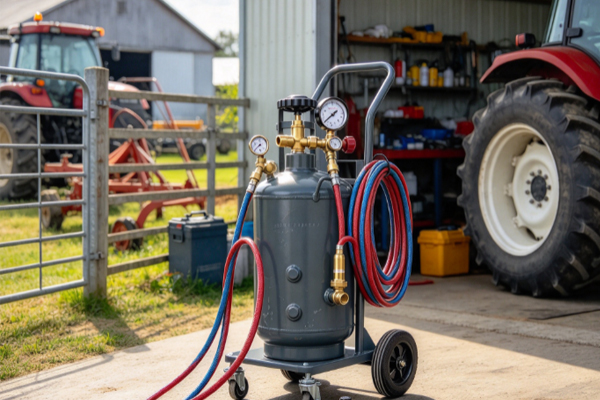
Tractors, harvesters, and farm trailers work hard in agricultural environments, and their metal components eventually need repair or replacement. When metal heating, welding, or cutting is required, suitable equipment can help keep maintenance work on schedule. A portable acetylene generator can be part of an acetylene generation solution for farms with suitable gas production and metalworking needs. Different models vary in gas generation capacity, equipment specifications, and compatibility requirements. Before choosing a unit, it is important to check the actual working conditions. If you are looking for an acetylene generator for farm use, you can inquire about available models, technical specifications, and pricing before deciding on the right configuration.
What Farm Repair Jobs Can a Portable Acetylene Generator Support?
Farm maintenance tasks often take place in different locations. Some metal components are repaired in a fixed workshop, while other jobs involve servicing agricultural machinery and accessories. Before selecting an acetylene generator, identify the intended metalworking tasks and confirm compatibility with the welding or cutting equipment being used.
Which Agricultural Machinery Repair Applications May Require a Portable Acetylene Generator?
When the equipment meets technical requirements and local safety regulations, an acetylene supply system may support suitable metalworking processes. Different tasks have different gas supply, accessory, and site requirements.
| Farm Application | Common Repair Tasks | Key Equipment Considerations |
| Tractor maintenance | Repairing metal brackets and related components | Processing requirements and compatible equipment |
| Harvester maintenance | Repairing metal guards and support components | Equipment suitability and operating conditions |
| Farm trailer repairs | Working on metal frames and connecting components | Actual gas demand and operating duration |
| Farm tool repairs | Repairing metal tools, brackets, and attachments | Equipment specifications and usage frequency |
| Farm maintenance workshops | Routine metalworking tasks | Installation space, ventilation, and safety conditions |
If metal repairs are a regular part of farm operations, listing common tasks and equipment requirements can make it easier to identify a suitable acetylene generator model. If you are unsure which specifications to choose, you can inquire about the available technical parameters to narrow down your options.
Why Does Portability Matter for On-Site Farm Repairs?
Farm work areas can be spread across a large property, so equipment dimensions, weight, and installation requirements all affect how it can be used. However, a portable design does not mean the equipment can be moved freely or operated in any location. Transportation and installation must follow the manufacturer’s instructions and applicable safety requirements.
- For a fixed maintenance workshop: Check the installation space, access for inspection, and routine maintenance requirements.
- For repairs in different areas of a farm: Confirm whether the unit is approved for relocation, what transportation restrictions apply, and what conditions must be met before it can be installed again.
- For changing repair tasks: List the most common jobs and ask about suitable equipment specifications instead of focusing on dimensions alone and overlooking gas generation capacity.
Checking the site conditions first makes model comparisons more useful and helps with transportation, installation, and future maintenance planning.
How to Choose a Farm Acetylene Generator: Capacity, Specifications, and Price
Choosing an acetylene generator involves more than comparing its appearance or quoted price. Rated gas generation capacity, specified working pressure, equipment dimensions, and included accessories all affect whether a unit meets the intended requirements. Confirming the key specifications before ordering can reduce the risk of receiving equipment that does not suit the application.
What Specifications Should You Check Before Buying an Acetylene Generator?
When contacting a sales representative, start by checking the following product information. If you already use other equipment, provide its model number and technical documentation to help verify compatibility.
| Product Specification | Information to Confirm | Why It Matters |
| Rated gas generation capacity | Stated output and test conditions | Helps assess whether the unit meets gas demand |
| Working pressure | Manufacturer-specified operating pressure range | Helps verify system compatibility |
| Dimensions and weight | Equipment size, net weight, and installation space | Helps assess transportation and placement |
| Product configuration | Standard accessories, optional parts, and supply scope | Clarifies what is included in the quotation |
| Operating conditions | Installation environment, ventilation, and operating restrictions | Helps determine whether the site is suitable |
| Technical documentation | Manual, specifications, and applicable certification documents | Supports installation, inspection, and maintenance |
What Affects the Price of a Portable Acetylene Generator for Farms?
The price may vary with the model, gas generation capacity, configuration, and transportation arrangements. When comparing quotations, confirm exactly what is included, such as the main unit, accessories, technical documents, and after-sales support. Comparing the headline price alone may overlook important differences in the supplied equipment.
Before requesting a quotation, prepare the following information to help the sales team assess your requirements:
- The type of agricultural machinery repair or metalworking task the equipment will support.
- Expected gas demand and whether the work involves extended operating periods.
- The required quantity and delivery destination.
- Whether you already have welding or cutting equipment, along with its model information.
Even if you have not selected a specific model, you can start by asking about available specifications and price ranges. Explaining the actual application usually leads to more useful pricing information than requesting a general equipment price alone.
Which Specifications Suit a Small Farm or Repair Workshop?
A small farm workshop, an agricultural machinery repair business, and a small metalworking facility may have very different workloads. The most suitable model should match actual gas demand, the manufacturer’s operating requirements, and the needs of the connected equipment rather than simply offering the highest output.
For occasional repairs, start by listing the frequency and types of work involved. For more sustained operations, check the rated gas generation capacity and operating conditions in greater detail. If you are unsure which model to choose, ask for the technical specifications to help narrow down the options.
What Equipment Is Needed Alongside a Portable Acetylene Generator?
An acetylene generator produces acetylene, but metalworking also requires suitable gas delivery and control components, together with compatible welding or cutting equipment. Incompatible components can affect performance and create safety risks.
How Do You Check Compatibility With Existing Welding and Cutting Equipment?
If your farm already has welding or cutting equipment, review its technical documentation before purchasing an acetylene generator. Confirm that it is suitable for the intended acetylene supply system. Do not judge compatibility by the appearance of the connections or modify equipment without authorization.
Prepare the following information when making an inquiry:
- Existing equipment model: Helps verify the specified gas type, working pressure, and connection requirements.
- Gas delivery and control components: Confirms whether the required pressure regulation, control, and delivery components are included or need to be supplied separately.
- Intended application: Describes the main repair tasks and helps establish whether the proposed equipment is suitable.
If you do not have complete equipment documentation, explain the equipment type and intended use first. The sales team can help identify what additional technical information is needed. Confirming compatibility early also makes it easier to define the equipment configuration and quotation.
What Is the Difference Between Standard Accessories and Optional Parts?
The supplied components can vary between models. Before accepting a quotation, confirm which parts are included as standard and which must be ordered separately. This helps prevent missing essential components when the equipment arrives.
Key questions to ask include:
- Which components are included in the standard configuration, and are any additional accessories required?
- Are an operating manual, technical specifications, and maintenance documents provided?
- Is installation guidance, after-sales support, or information about replacement parts available?
Reviewing the configuration list alongside the quotation makes product comparisons clearer and helps with installation and maintenance planning.
What Should You Confirm Before Buying a Farm Acetylene Generator?
After purchasing the equipment, you will also need to consider transportation, installation, operator training, and routine maintenance. Confirming these requirements in advance can make delivery and setup easier to plan.
What Information Should You Prepare Before Placing an Order?
If you want to identify a suitable model and obtain a more relevant quotation, prepare the following details:
- Intended application: Describe whether the equipment is for tractor maintenance, farm tool repairs, metal heating, or another specific process.
- Gas demand: Share the expected gas requirements and operating needs. If these are not yet clear, ask for guidance on the product specifications.
- Installation environment: Describe the available space, ventilation conditions, and proposed installation location.
- Existing equipment: Provide the model numbers and technical documentation for any welding or cutting equipment.
- Delivery requirements: Confirm the quantity, delivery destination, and expected delivery schedule.
This information helps the sales team review the specifications, configuration, and quotation. If you do not have every detail yet, you can submit the information already available and clarify the remaining requirements during the consultation.
What Should You Know About Acetylene Generator Installation and Maintenance?
Acetylene is a flammable gas. An acetylene generator must be installed, operated, and maintained in accordance with the manufacturer’s instructions, applicable equipment requirements, and local regulations. Trained personnel should operate the equipment, and the site must meet the required ventilation, fire prevention, and emergency preparedness standards.
- Install the equipment only in a suitable location. Do not change its installation position simply for convenience.
- Inspect the equipment and associated components in accordance with the manual. If an abnormal condition is detected, stop using the equipment and follow the specified response procedures.
- Follow the manufacturer’s requirements for repairs, maintenance, and component replacement. Do not make unauthorized modifications.
Before buying, you can also ask about maintenance requirements, technical documentation, and after-sales support to help plan for long-term use.
If you are looking for a portable acetylene generator for a farm, agricultural machinery repair workshop, or metalworking facility, contact us to inquire about available models, rated gas generation capacity, technical specifications, and pricing. Share your intended application, existing equipment model, expected gas demand, and delivery destination so the appropriate specifications and accessory requirements can be reviewed. If you are not sure which model you need, you can start by requesting product information and then confirm the configuration that suits your operating conditions.