
When working on hardware DIY projects, metal crafts, or small repairs, having the right fuel supply can make the job much easier. Propane cylinders provide fuel for compatible torches and heating tools, but the wrong cylinder size or incompatible connections can create unnecessary problems. For DIY enthusiasts, hardware repair professionals, and small workshops, choosing a propane cylinder involves more than comparing prices. Fuel consumption, frequency of use, portability, and storage conditions all matter. The right specifications can make daily work more convenient while reducing frequent cylinder changes and compatibility issues.
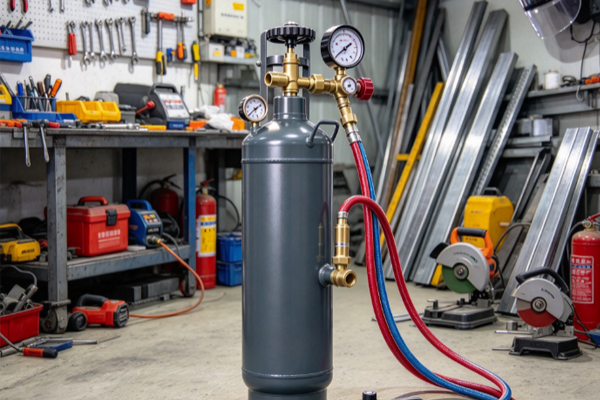
Which Hardware DIY Projects Use Propane Cylinders?
Hardware DIY covers a wide range of activities, from metal crafting and hardware repairs to heating tasks in small workshops. Some of these jobs require fuel-powered tools, but not every tool is designed for propane. Before connecting a cylinder, always confirm that the equipment is specifically compatible with propane rather than relying on similar-looking connections.
Which DIY Applications Are Suitable for Propane Cylinders?
Occasional home projects and daily metalworking can have very different fuel requirements. Start by looking at the tasks you perform most often to determine what your propane cylinder needs to support.
- Metal crafting: Supplies fuel to compatible heating tools for suitable metalworking tasks.
- Hardware repairs: Supports heating applications when the equipment is designed for propane.
- Outdoor DIY projects: Requires attention to cylinder transport, secure positioning, and on-site storage conditions.
- Small workshops: Frequent use makes fuel consumption and cylinder replacement intervals important considerations.
When choosing a cylinder, consider your regular tools, daily working hours, and usage frequency instead of comparing cylinder sizes alone. For extended periods of continuous operation, check the equipment’s fuel supply requirements to make sure the cylinder is suitable.
How to Choose a Propane Cylinder for Hardware DIY: Capacity and Accessories Matter
A cylinder that is too small may need frequent replacement, while an oversized model can take up unnecessary storage space and be harder to move. For hardware DIY applications, the right propane cylinder should meet the equipment’s requirements and suit actual fuel consumption rather than simply offer the largest capacity.
Propane Cylinder Selection for Different DIY Applications
Before choosing a cylinder, identify your typical projects and compare the available sizes, capacities, and handling requirements. The table below provides a starting point, but the final specifications must comply with the equipment manufacturer’s instructions.
| DIY Application | Main Requirement | Selection Priority |
| Home hardware crafts | Occasional use and convenient storage | Cylinder dimensions and equipment compatibility |
| Metal crafting | Suitable fuel supply for heating tasks | Equipment consumption and cylinder specifications |
| Hardware repairs | Fewer cylinder changes | Usage frequency and fuel consumption |
| Outdoor DIY projects | Easy transport and secure positioning | Cylinder weight and site conditions |
| Small workshops | Support for regular daily work | Ongoing fuel demand and backup planning |
Use this table to organize your basic requirements. If your equipment runs for extended periods, estimate the expected operating time using its stated fuel consumption rather than judging by the cylinder’s appearance. Workshops with frequent propane use can also benefit from planning replacement cylinders in advance to reduce interruptions.
What Should You Check About Cylinder Connections and Accessories?
A propane cylinder is only one part of the fuel supply setup. The regulator, hose, valve, and gas-powered tool must all be compatible. Even if the cylinder has sufficient capacity, incompatible connections can prevent safe and proper operation.
- Confirm that the tool is designed for propane; do not substitute another fuel without manufacturer approval.
- Check that the valve, regulator, and fittings meet the equipment’s specifications.
- Use hoses suitable for propane and the intended working conditions. Stop using hoses that show signs of wear or damage.
- When replacing cylinders or accessories, follow the equipment instructions and never force incompatible parts together.
A properly matched setup makes everyday work more straightforward. Pay attention to the condition of the accessories as well as the cylinder itself. Components should not remain in service when they show obvious damage or other abnormalities.
How to Use and Store Propane Cylinders Safely for Hardware DIY?
Garages, home workspaces, and small hardware workshops have different operating conditions, but propane cylinder safety should never be overlooked. Propane is a flammable gas, so cylinder placement, ventilation, and the condition of the cylinder and its accessories all matter. A quick inspection before starting work is a sensible way to identify visible problems before they become more serious.
Daily Propane Cylinder Inspection Checklist
Before use, check the cylinder body, valve, hose, and storage location. The checklist below can serve as a daily reminder, but it does not replace professional inspections or safety procedures required by local regulations.
| Inspection Item | What to Check | What to Do if a Problem Is Found |
| Cylinder exterior | Visible damage or unusual conditions | Stop using it and arrange a professional inspection |
| Valve and connections | Damage, looseness, or incompatibility | Do not force connections or attempt repairs |
| Regulator and hose | Wear, cracks, damage, or connection problems | Stop use and replace unsuitable components |
| Cylinder location | Stability, ventilation, and distance from hazardous heat sources | Move it to a location that meets safety requirements |
| Equipment compatibility | Whether the tool explicitly supports propane | Do not connect incompatible equipment |
If you notice an unusual odor or suspect a gas leak, move away from the danger area, avoid operating equipment that could generate sparks, and follow local emergency procedures. Never use an open flame to test for leaks or attempt to dismantle or repair a cylinder valve yourself.
What Should You Keep in Mind When Storing Propane Cylinders?
Hardware DIY spaces often contain tools, metal parts, and work materials. Cylinders should be kept in a stable, well-ventilated location that complies with applicable requirements, with suitable measures to prevent tipping. A few basic precautions also help:
- Protect cylinders from impacts, drops, and other mechanical damage.
- Keep them away from heat sources, open flames, and sparks wherever required by safety instructions.
- Follow the product instructions and local regulations for storage, and inspect the cylinder regularly.
A consistent inspection routine helps prevent equipment problems from being overlooked. In shared workshops, everyone should follow the same operating procedures. If an issue is found, stop using the equipment and have a qualified professional assess it.
How to Choose the Right Propane Cylinder for Hardware DIY?
For DIY enthusiasts and small workshops, the most practical cylinder is not necessarily the largest one. It is the one that meets the equipment requirements, suits daily use, and fits the available storage conditions. Compare the following factors when selecting a suitable model:
- Fuel compatibility: Confirm that the equipment is designed for propane.
- Cylinder capacity: Estimate the required size based on equipment consumption and daily operating hours.
- Connections and accessories: Make sure the valve, regulator, and hose meet the equipment specifications.
- Working environment: Ensure there is a suitable storage location and that the work area meets applicable safety requirements.
Choosing the right specifications can help reduce problems caused by insufficient capacity or incompatible connections. If you are looking for propane cylinders for metal crafting, hardware repairs, or small-scale workshop projects, explore our cylinder models and product specifications to compare dimensions, capacities, and compatible configurations.Contact us for product details, specifications, and a quotation. Find a propane cylinder solution that suits your hardware DIY needs and helps keep your everyday crafting and repair work running smoothly.