
Glassblowing looks highly artistic, but in the workshop, flame control and heat management are serious business. Glass tubes, art glass, bottles, and laboratory glassware all require a consistent heat source during processing. For Craftsmen, glass studios, and small glass manufacturers, propane cylinders can supply fuel to compatible burners and heating equipment, supporting smoother glass heating, blowing, and shaping. For workshops that operate for long hours, cylinder capacity, supply stability, and backup fuel planning can have a direct impact on the daily workflow.
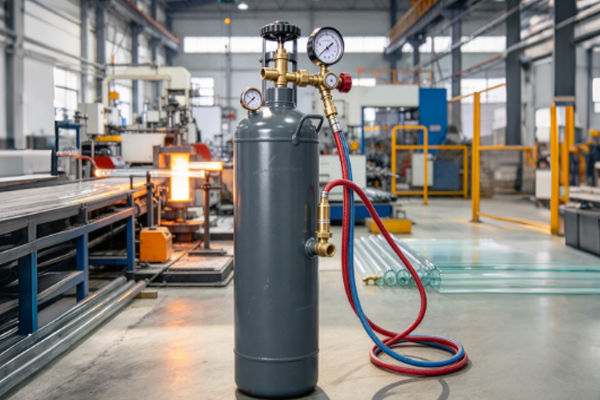
Why Does Glassblowing Need a Stable Propane Cylinder Supply?
Glassblowing does not always require the same flame intensity. Craftsmen adjust their workflow according to how the glass softens, while flame size and heating time can change with the workpiece. When the fuel supply becomes unstable, operators may need to stop and adjust the equipment, interrupting an otherwise continuous process. A propane cylinder can provide a suitable fuel source for compatible burners and help maintain a more consistent workflow.
Which Glass Processing Applications Use Propane Cylinders?
Glass products vary widely, from handmade art pieces to laboratory glassware, so fuel requirements are not always the same. Common applications include:
| Glass Processing Application | Typical Work | Fuel Supply Priority |
| Art Glass Production | Blowing, shaping, localized heating | Flame stability |
| Glass Bottle Production | Heating, forming, finishing | Continuous supply |
| Glass Tube Processing | Bending, localized heating | Flame control |
| Laboratory Glassware | Forming, joint treatment | Stable fuel supply |
| Craftsmen Studios | Hand blowing, artistic creation | Capacity and convenience |
| Small Glass Factories | Batch processing, continuous production | Supply capacity |
Different applications require different cylinder arrangements. A personal studio may use propane for only a few hours a day, while a professional production workshop may operate burners continuously. One cylinder configuration does not necessarily fit every glassblowing environment.
Does Cylinder Capacity Affect Glassblowing Time?
Yes, but cylinder capacity is only part of the calculation. Actual operating time also depends on burner consumption, flame size, working hours, and the type of glass being processed.
- Small Craftsmen studios: Small art glass pieces may require a relatively manageable daily fuel supply.
- Medium-sized glass workshops: Regular production makes continuous operating time more important.
- Continuous production facilities: Backup fuel can help reduce interruptions during extended operation.
- High-frequency applications: Tracking actual consumption over time makes it easier to determine a suitable cylinder capacity.
A larger cylinder is not automatically a better choice. The useful setup is one that matches the workshop’s real working schedule and fuel consumption.
How Should Propane Cylinders Be Configured for Glassblowing?
Once propane cylinders enter a glass studio, they need to work with burners, regulators, hoses, and the working area. Craftsmen often stay at the same workstation for extended periods, so an unsuitable cylinder position, poorly organized hoses, or incompatible connections can quickly become a nuisance. A practical setup should fit naturally into the workspace instead of creating additional obstacles for the operator.
How Does Cylinder Configuration Differ Between Glass Workshops?
Glass workshops can have very different production patterns. A personal studio may focus on handmade pieces, while a glass factory may need continuous production. Cylinder quantity and capacity naturally need to reflect these differences.
| Workshop Type | Typical Use | Configuration Priority |
| Personal Craftsmen Studio | Handmade pieces, short work sessions | Cylinder capacity, convenience |
| Art Glass Workshop | Regular orders, daily operation | Stable supply, backup fuel |
| Glassblowing Training Studio | Scheduled glassworking sessions | Easy replacement, site management |
| Small Glass Production Workshop | Continuous processing | Cylinder quantity, supply capacity |
| Professional Glass Factory | Long production hours | Continuous supply, equipment integration |
It is useful to consider daily operating hours together with actual fuel consumption. This helps avoid both excessive unused capacity and frequent cylinder replacement during production.
What Equipment Should Work with a Propane Cylinder?
A glassblowing fuel system normally includes more than the cylinder itself. The cylinder connects with other equipment to create a complete fuel supply setup, and compatibility should be checked before operation.
- Burner: Must be suitable for the specified fuel type and operating requirements.
- Regulator: Provides the appropriate working pressure required by the burner.
- Hoses and connectors: Specifications should match the equipment rather than being improvised.
- Cylinder position: Should not interfere with Craftsmen moving, working, or handling hot glass.
- Backup fuel: Useful for workshops that operate for long periods and want to reduce unexpected interruptions.
When the equipment is properly integrated, operators spend less time stopping to deal with connection issues. For glassblowing workshops with repetitive daily production, this can make a noticeable difference.
What Are the Advantages of Using Propane Cylinders for Glassblowing?
For Craftsmen, maintaining a continuous workflow is important during glassblowing. When the flame remains stable, more attention can be given to the glass color, softness, shape, and movement. A propane cylinder can provide fuel for compatible burners and serve different glassworking stations, making it suitable for small-batch and customized production.
How Can Stable Fuel Supply Help a Glass Studio?
Glassblowing involves many continuous hand movements, so repeated equipment interruptions can affect the working rhythm. A stable fuel supply can reduce unnecessary stops.
- Reduces interruptions caused by running out of fuel during work.
- Helps maintain a more consistent flame.
- Allows Craftsmen to work on the same glass piece for longer periods.
- Makes small-batch and custom orders easier to manage without repeatedly changing the main fuel setup.
For Craftsmen producing glass cups, vases, sculptures, and other handmade pieces, a smoother workflow can make daily production much easier to manage.
Why Is It Flexible for Small-Batch and Custom Glass Production?
Many glass studios do not produce exactly the same products every day. One day may involve glass cups, while the next project could be an artistic sculpture or glass tubing.
- Workpiece changes can be handled without completely changing the fuel arrangement.
- Suitable for handmade and customized glass products.
- Small production runs do not necessarily require a large fixed fuel system.
- Useful for localized heating, repair, and other suitable glassworking tasks.
This flexibility is particularly useful for Craftsmen. When orders change, the same fuel supply equipment can continue supporting different glassworking tasks.
How Can a Propane Cylinder Solution Support Long-Term Glassblowing?
An occasional glass studio may have relatively simple fuel requirements. Craftsmen and glass businesses operating every day need to think more carefully about continuous use. Cylinder capacity is important, but backup arrangements, equipment management, and workplace safety also need to be considered.
Why Is Backup Fuel Important for Long Glassblowing Sessions?
If a cylinder runs empty in the middle of creating a glass piece, the Craftsman may have to stop working. For pieces that require continuous heating, an unexpected interruption can disrupt the entire workflow.
- Keep a backup cylinder ready while the main cylinder is in use.
- Replace the cylinder promptly when the available fuel approaches its practical limit.
- Larger production workshops can increase backup quantities according to actual consumption.
- Small Craftsmen studios can also keep at least one suitable backup fuel supply available.
Backup planning does not mean storing excessive numbers of cylinders. It simply gives the workshop enough operating flexibility to avoid having a lack of fuel disrupt the day’s work.
What Should Be Checked During Daily Propane Cylinder Use?
Glassblowing involves high temperatures and open flames. Propane cylinder installation, connection, storage, and operation should follow the manufacturer’s instructions and applicable local gas, fire, and occupational safety requirements.
- Check the cylinder, valves, and connections before starting work.
- Stop using hoses that show aging, damage, or other abnormal conditions.
- Keep the cylinder securely positioned and away from areas where it could interfere with movement.
- Maintain appropriate ventilation in the working area.
- Follow the equipment instructions when shutting down the system after use.
These checks are simple, but making them part of the daily routine can make equipment management much easier. For workshops operating for long hours, maintaining equipment in good working condition is an important part of keeping production running smoothly.
Glassblowing requires high heat, but it also requires a steady and manageable workflow. For Craftsmen, art glass studios, glass manufacturers, and laboratory glass processing facilities, propane cylinders can provide fuel for compatible burners used in glass heating, blowing, shaping, and localized processing. A practical setup can be planned around daily operating hours, equipment fuel consumption, cylinder capacity, and backup requirements. For workshops that depend on long-term or continuous operation, a propane cylinder solution matched to the existing equipment can make everyday glassblowing more efficient and easier to organize.