
After grain is harvested, drying is a critical step in agricultural production. Corn, rice, wheat, and other grains often need to be dried quickly to reduce moisture and prevent quality problems during storage. For farmers, agricultural cooperatives, and grain storage facilities using gas-powered grain dryers, propane cylinders directly affect how steadily the dryer operates and how efficiently daily work can be completed. Frequent cylinder changes or unstable gas supply can quickly become a headache during the busy harvest season.
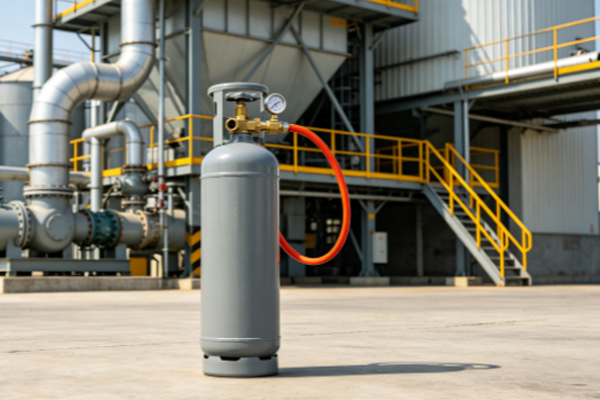
Why Does Grain Drying Need a Propane Cylinder Solution?
Unlike many ordinary gas-use applications, grain drying often involves concentrated seasonal demand. During harvest, dryers may run continuously for several hours a day, which can significantly increase propane consumption. Cylinder capacity, gas supply performance, and the convenience of changing cylinders can all affect actual drying operations. Small farms, agricultural cooperatives, and mobile drying sites also have different equipment and space conditions, so the propane cylinder solution should match the actual drying setup rather than focusing only on cylinder size.
Which Agricultural Operations Use Propane Cylinders for Grain Drying?
Grain drying is used in many different agricultural settings, from family farms to larger grain collection and storage facilities.
- Small farms: Drying volumes are usually limited, so users care more about whether cylinders are easy to move and whether they take up too much space.
- Agricultural cooperatives: Grain processing becomes highly concentrated during harvest, making a reliable backup gas supply much more important.
- Grain storage facilities: Drying operations may continue for long periods, so reducing downtime caused by frequent cylinder replacement becomes a key concern.
- Mobile grain drying operations: Equipment may be moved between different locations, making cylinder transportation, securing, and connection more important.
The working conditions vary greatly between agricultural users, so the propane cylinder solution should follow the actual drying workload rather than simply choosing the largest available cylinder.
What Do Grain Drying Users Care About Most?
| User Type | Drying Characteristics | Key Propane Cylinder Concerns |
| Family farm | Relatively small drying volume | Easy handling and compact storage |
| Agricultural cooperative | High demand during harvest | Continuous gas supply and backup cylinders |
| Large grain storage facility | Long operating periods | Gas supply capacity and site management |
| Mobile drying equipment | Drying locations may change | Easy connection, transport, and securing |
| Temporary drying site | Irregular use | Flexible setup and convenient storage |
How Do You Choose a Propane Cylinder for Grain Drying? Don’t Focus Only on Capacity
When choosing a propane cylinder for grain drying, many users immediately ask about capacity. In actual operation, however, cylinder capacity is only one part of the decision. The dryer’s heat load, daily operating hours, grain processing volume, and availability of backup gas all affect the right configuration. Agricultural gas use is highly seasonal. Demand may be low during normal periods but increase sharply during harvest, when drying equipment can operate continuously. The cylinder setup should leave enough room for actual working conditions.
Different Dryers Require Different Cylinder Configurations
A small grain dryer does not have the same propane demand as a large continuous-flow drying system. If equipment only operates for a few hours a day, an oversized cylinder may create unnecessary handling work. If the dryer runs for long periods, frequent cylinder replacement can interrupt the drying process.
A practical approach is to record daily drying hours, grain processing volume, and actual propane consumption before deciding on the number of primary and backup cylinders. This is usually more useful than simply choosing the largest cylinder available.
These Details Are Easy to Overlook
- Make sure the cylinder connection matches the grain drying equipment instead of using temporary or unsuitable connectors just to save time.
- If the dryer operates for long periods each day, prepare a backup gas supply in advance rather than waiting until the cylinder is almost empty.
- Mobile drying equipment also requires attention to cylinder securing and handling, especially when equipment is moved over uneven agricultural ground.
The basic goal is simple: maintain a stable gas supply without creating unnecessary handling and management work for the agricultural site.
How Can Propane Cylinders Be Used More Efficiently for Grain Drying?
During the peak harvest season, grain dryers may operate continuously for several hours. The biggest concern for operators is often not an extra inspection step, but discovering that the gas supply is running low halfway through a drying cycle. Replacing a cylinder at that point can interrupt the workflow. Planning the positions of the cylinders, dryer, and backup gas supply in advance can make daily operation much easier.
How Should the Propane Cylinder Area Be Arranged?
The cylinder storage and operating area should remain clean and well ventilated and should be kept away from obvious heat sources. Agricultural sites often contain straw, grain bags, wooden pallets, machinery parts, and other materials. The area around the propane cylinders should not gradually become a temporary storage zone. During operation, cylinders should also be kept away from locations where they could easily be hit or knocked over.
What Should Be Checked During Grain Drying?
Grain drying is a continuous heating process. Operators should not only monitor grain temperature and moisture but also pay attention to the condition of the gas supply.
- Arrange cylinder replacement before the gas supply becomes insufficient instead of waiting until the dryer stops.
- If there is an unusual odor, abnormal connection condition, or unusual equipment performance, stop the relevant operation and inspect the system.
- After replacing a cylinder, confirm that the connection is properly secured before restarting the dryer. Do not skip this step just to save a few minutes.
- After drying is complete, return the cylinders and related equipment to their designated positions so everything is ready for the next working day.
Agricultural work can move quickly, but propane cylinder management does not need to be complicated. Fixed storage positions, prepared backup cylinders, and a quick inspection after each use can prevent many unexpected interruptions.
How Should Propane Cylinders for Grain Drying Be Managed Daily?
Once agricultural work becomes busy, equipment management can easily be overlooked. Grain drying is also highly seasonal, meaning equipment may operate continuously for a period and then remain unused for quite some time. Propane cylinders should have a designated storage location when not in use rather than being mixed with grain, agricultural machinery, tools, or other materials. For users who regularly dry grain, keeping a simple usage record can be much easier than relying on memory.
What Should Be Recorded?
| Record Item | What to Record | Practical Benefit for Agricultural Users |
| Drying date | Start and end time | Identify periods of high gas demand |
| Grain volume | Amount processed each day | Compare drying workload with propane use |
| Cylinder replacement | Usage and replacement records | Check whether backup supply is sufficient |
| Equipment condition | Any abnormal gas supply or operation | Make later inspections easier |
| Storage condition | Storage location after use | Reduce temporary or improper placement |
Pre-Season Checks Can Save a Lot of Trouble
Before corn, rice, wheat, and other grains enter the main harvest period, users can inspect the cylinders, connection components, and backup gas supply in advance. Equipment that has been unused for a long time should not be checked for the first time when the dryer is already loaded with grain. A few minutes of preparation can prevent much longer delays later.
Practical Management Can Stay Simple
Agricultural production does not need a complicated management system. The important thing is that everyone knows where the cylinders are stored, when replacement is needed, and where they should be returned after use. For farms and agricultural cooperatives, turning these small habits into routine practices can make daily equipment operation much smoother.
For grain drying, the key considerations for a propane cylinder solution are operating hours, grain processing volume, continuity of gas supply, and actual working habits on the site. Once primary cylinders, backup gas, and drying equipment are arranged properly and simple usage records are kept, agricultural users can handle the peak harvest season with fewer unexpected interruptions.
Grain drying may seem like a simple process of reducing moisture, but during the peak harvest season, every hour can affect equipment utilization and grain processing progress. A well-planned propane cylinder solution can reduce downtime caused by cylinder replacement while making daily operations smoother for farms, agricultural cooperatives, and grain storage facilities. For agricultural users, the goal is not to create a complicated setup, but to keep grain drying stable, practical, and easier to manage.