
Cold weather can quickly become uncomfortable inside an RV, especially when you stop for the night and temperatures drop. For people who enjoy road trips, camping, and long-distance travel, an RV heating system is not just about having a heater. Propane cylinder capacity, installation space, stable gas supply, and easy handling all matter. The Automotive Supplies industry is also placing more focus on lightweight, durable, and practical products for RV applications. With the right propane cylinder solution, RV heating can remain more stable and winter travel becomes much easier to manage.
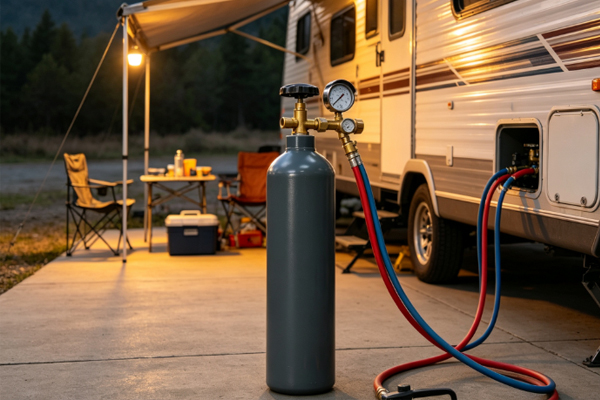
Why Does an RV Need the Right Propane Cylinder for Winter Heating?
An RV may have limited interior space, but heating during cold weather can result in steady propane consumption. A short weekend camping trip is very different from a long winter journey. Some RV owners care more about saving storage space, while others want enough fuel to avoid changing cylinders too often. A propane cylinder solution for RV heating should match real travel habits while taking the heating system, storage area, and operating environment into account.
What Problems Can RV Heating Cause?
People preparing for their first winter RV trip often focus heavily on the heater itself and overlook the gas supply. Once they are on the road, they may find that the cylinder capacity is unsuitable, replacement is inconvenient, or the installation position interferes with other equipment.
| RV Use Scenario | Typical Gas Demand | What to Look For |
| Weekend camping | Short operating time | Lightweight design and easy replacement |
| Long winter trips | Longer heating periods | Fuel reserve and stable gas supply |
| RV travel with several people | Longer indoor activity time | Actual propane consumption |
| Overnight stays in cold areas | Continuous nighttime heating | Equipment compatibility and secure mounting |
| Long-term RV living | Frequent use | Durability and easy maintenance |
Choosing the right cylinder makes everyday use much easier. For extended winter travel, estimating fuel consumption before departure is far more convenient than trying to find a replacement cylinder after arriving at a campsite.
How Do You Choose a Propane Cylinder for RV Heating?
An RV is not a fixed installation. Space is limited, equipment is packed closely together, and the vehicle may experience vibration, movement, and different weather conditions. The Automotive Supplies industry also pays attention to durability, structural design, and ease of use when developing related cylinders and supporting products. Rather than simply choosing the largest cylinder available, RV owners should make sure the cylinder works properly with the existing heating system.
Choose Cylinder Capacity Based on Your Travel Habits
If you only camp occasionally and use heating for a short period, an oversized cylinder may take up storage space that could be used for other supplies. For frequent winter travel, a larger fuel reserve may be more practical.
Before purchasing, consider these questions:
- How many days does a typical trip last?
- How long is heating normally used each night?
- Are there other propane-powered appliances inside the RV?
- Is it easy to refill or replace the cylinder along the route?
Do not look at cylinder specifications alone. RV storage space, heater consumption, and travel routes all deserve attention. A cylinder that fits properly and is easy to handle can often provide a better experience than simply adding more capacity.
Which Cylinder Specifications Matter Most?
When choosing a cylinder, focus on the conditions in which it will actually be used instead of getting overwhelmed by technical specifications.
| Key Item | Why It Matters | What to Check |
| Cylinder capacity | Determines available heating time | Select according to actual fuel consumption |
| Product weight | RV payload and storage are limited | Consider the vehicle’s load capacity |
| Overall dimensions | Determines whether it fits the designated space | Measure the installation area in advance |
| Connection specifications | Affect compatibility with the heating system | Match the requirements of supporting equipment |
| Mounting method | The cylinder needs to remain stable while driving | Follow the vehicle’s installation requirements |
| Product condition | Important for long-term use | Inspect the exterior and connections before use |
These specifications eventually come down to three simple questions: Will it fit? Can it connect properly? Is it convenient to use? Measuring the available space and confirming equipment specifications beforehand can prevent a lot of unnecessary trouble.
The Cylinder Must Match the Heating System
A propane cylinder should not simply be connected to an RV heating system without checking compatibility. Connections, regulators, hoses, and heating equipment all need to meet the applicable requirements. Confirm the equipment specifications and connection method before installation to avoid compatibility problems later.
What Should You Consider When Installing a Propane Cylinder in an RV?
RV interiors are compact, so propane cylinders are usually installed in designated areas. Driving creates vibration, while outdoor parking conditions can change frequently. Secure mounting, ventilation, and easy inspection are all important. For RV owners, an installation that can be checked and maintained without unnecessary hassle is much more practical.
Where Should the Propane Cylinder Be Installed?
The cylinder should be installed in a location that meets the vehicle’s design requirements and secured properly so it cannot move significantly while the RV is traveling. There should also be enough room around it for inspection, handling, and future replacement.
Some owners try to save space by placing the cylinder in an extremely narrow compartment. It may look efficient, but maintenance and replacement can become difficult. During an RV conversion or equipment upgrade, it is better to plan the space for the cylinder, heating system, and other equipment in advance.
Check These 4 Things Before Leaving
A few minutes of inspection before a long trip can save much more time than dealing with equipment problems on the road:
- Check the cylinder exterior for visible abnormalities.
- Inspect connections, hoses, and regulator components.
- Make sure the cylinder mounting system is secure.
- Confirm that the heating system operates according to its requirements.
These checks do not take long, but they give the owner a clearer idea of the current condition of the gas supply system. If the RV has been unused for an extended period, a more complete inspection is especially important before restarting the heating system.
How Can RV Owners Reduce Propane Problems During Winter Travel?
The most comfortable RV trip is one where you can settle down for the night without constantly dealing with equipment. A propane cylinder needs more than enough fuel for heating; proper storage, usage records, and a backup plan can also make winter travel easier. Automotive Supplies products that combine durable construction with practical handling can be particularly useful for mobile RV applications.
What Should You Prepare Before a Winter RV Trip?
Preparation does not have to be complicated. A few key checks before departure can prevent many unnecessary interruptions. For longer journeys, it is also worth preparing a suitable backup fuel plan and basic inspection tools.
- Check the fuel level: Confirm the remaining propane before departure instead of discovering at night that the supply is nearly empty.
- Inspect the equipment: Check the cylinder and connecting components, and deal with anything unusual before traveling.
- Keep a backup plan: For long-distance trips, plan a reasonable backup fuel supply to reduce the need for last-minute searching.
- Record usage: A simple record of propane consumption during each trip makes future fuel planning much easier.
These preparations may seem minor, but finding propane in a remote camping area is not always convenient. Keeping a reasonable reserve can make a cold night much less stressful.
Do Not Ignore Cylinder Management During Long-Term Use
For RVs that are used frequently, it is helpful to keep simple records of cylinder usage, inspection dates, and replacement history. If a cylinder has been stored for a long period, inspect it according to the product instructions and applicable local safety requirements before putting it back into service. For frequent travelers, these records can also make it easier to estimate how much propane will be needed for the next trip.
A propane cylinder solution for RV heating should fit the real rhythm of winter travel. Cylinder capacity, equipment compatibility, secure installation, pre-trip inspection, and backup planning all deserve attention. Automotive Supplies products are also increasingly focused on durability, lighter handling, and practical use. With a properly selected propane cylinder, RV owners can enjoy more reliable heating during winter camping, long-distance road trips, and overnight stays in cold regions.