
Scrap metal recycling facilities often handle scrap steel, old machinery, and leftover metal parts. Some jobs also require heating metal components or using gas-powered equipment for dismantling and repair work. Propane cylinders can supply fuel to compatible gas equipment, but the cylinder capacity, daily gas consumption, and connection requirements all affect how well the setup works. Choosing the wrong cylinder may mean frequent replacements or equipment that cannot operate properly. So, how do you choose a propane cylinder for scrap metal recycling? This guide covers daily gas use, cylinder specifications, metal processing, and on-site safety.
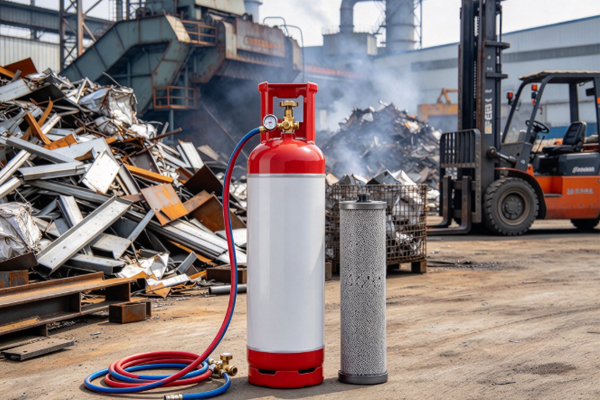
Why Use Propane Cylinders for Scrap Metal Recycling?
Scrap metal recycling involves more than collecting and sorting materials. Some facilities also handle old machinery, heat metal components, or carry out equipment repairs. If the tools used on-site are designed to run on propane, propane cylinders may be a suitable fuel source. However, whether propane is appropriate for a specific task depends on the equipment design, metal material, and operating requirements. The cylinder type alone is not enough to determine suitability.
What Scrap Metal Processing Jobs Can Use Propane Cylinders?
At recycling yards, metal dismantling sites, and repair workshops, propane cylinders mainly supply fuel to compatible gas-powered tools. Common applications include:
- Heating metal components: Supplying fuel to compatible heating equipment for metal heating tasks within the equipment’s rated capabilities.
- Dismantling old machinery: Some dismantling and repair jobs require localized heating. The fuel supply should match the tools being used.
- Routine equipment repairs: When repairs require gas-powered tools, confirm that the tools support propane and use a compatible cylinder and connection setup.
Keep in mind that a propane cylinder cannot cut metal on its own. Steel cutting requires suitable cutting equipment, an oxygen supply, and other compatible components. Qualified personnel should confirm that the complete setup is suitable for the material being processed.
How to Choose a Propane Cylinder for Scrap Metal Recycling: Capacity and Specifications
Workloads vary from one recycling yard to another. Some facilities only heat small metal parts occasionally, while others operate gas-powered equipment for several hours every day. A cylinder that is too small may need frequent replacement, while a larger one may not suit the existing equipment or available storage space. Instead of comparing cylinder size and price alone, consider daily gas consumption, equipment requirements, and how easily the gas supply can be replenished.
What Propane Cylinder Capacity Is Suitable for Scrap Metal Processing?
How long a cylinder lasts depends mainly on how much propane the equipment consumes per hour and how long it operates each day. The following examples show what to consider when selecting a cylinder. The exact capacity should still be estimated using the equipment’s gas consumption.
| Actual Working Conditions | What to Calculate | Commonly Overlooked Issues |
| Heating small amounts of metal for short periods each day | Gas consumption per job and equipment requirements | The cylinder must still meet the equipment specifications; choosing the smallest size is not always appropriate |
| Using gas-powered tools for several hours daily | Gas consumption per hour × daily operating time | Longer operating hours do not mean every tool consumes the same amount of gas |
| Performing heating or repair jobs several times a day | Duration and number of jobs | Frequent starts and stops, along with different tasks, can affect total gas use |
| Operating two or more tools at the same time | Gas consumption of each tool and the capacity of the supply equipment | A larger cylinder alone may not provide sufficient gas flow for multiple tools |
For example, equipment with high propane consumption may empty a cylinder relatively quickly, even if the cylinder looks fairly large. Equipment with lower consumption and shorter daily operating hours may use the same cylinder for longer. Providing the equipment model, rated gas consumption, and daily operating hours helps estimate demand and avoid choosing the wrong capacity.
What Should You Check Before Buying a Propane Cylinder?
Before placing an order, prepare information about the actual application instead of simply asking for a propane cylinder. The following details directly affect whether a product is suitable:
- Equipment model: Confirm that the gas-powered tool supports propane to avoid compatibility problems after purchase.
- Cylinder capacity: Check the rated capacity, product specifications, and equipment requirements rather than judging size by the cylinder’s height or width.
- Connection accessories: Confirm that the valve, regulator, hoses, and other fittings are suitable for propane and compatible with the equipment.
- Frequency of use: Estimate daily operating hours and whether the equipment runs continuously to help calculate gas demand.
- Cylinder replacement arrangements: Consider storage space, transportation, and gas replenishment so that an empty cylinder does not interrupt work.
If complete equipment specifications are unavailable, start with the information on the equipment nameplate and a description of the intended application. These details can help determine suitable cylinder specifications and accessory requirements. This is more reliable than choosing a product based on price alone.
What Equipment Is Needed to Use Propane Cylinders for Scrap Metal Cutting?
Scrap metal recycling often involves old steel, metal frames, and discarded machinery. Some materials need to be cut before they can be sorted or transported. However, propane is only the fuel source. Whether it can be used for a cutting job depends on the complete equipment setup, including the cutting torch, oxygen supply, metal thickness, and cutting process. Define the job before buying a cylinder to avoid compatibility problems with existing tools.
What Is Required to Cut Steel with a Propane Cylinder?
Oxy-fuel cutting with propane requires more than a cylinder. It also needs suitable cutting equipment and an oxygen supply. Different systems have specific requirements for fuel type, working pressure, and accessories, while steel thickness can also affect cutting performance.
| Current Equipment Setup | What to Check Before Starting | What Could Go Wrong If It Is Not Checked |
| A cutting torch and hoses are already available | Whether the torch supports propane and the hoses and fittings are compatible | Connections may not fit properly or may be unsafe to use |
| Only a propane cylinder is available on-site | Whether a suitable torch, oxygen supply, and required accessories are available | Having fuel alone is not enough to perform oxy-fuel cutting |
| The main task is cutting thick steel | The equipment’s rated cutting thickness, oxygen supply, and operating requirements | The equipment may not have the capacity to achieve the required cutting results |
| Equipment needs to be moved frequently | Cylinder securing, equipment movement, and hose routing | The cylinder may tip over, hoses may become damaged, or access routes may be blocked |
If the main task is heating metal, check the fuel requirements of the existing heating tools. If steel cutting is the priority, confirm the torch model, oxygen supply, and material thickness together. Propane and acetylene have different equipment requirements, so replacing the cylinder alone does not make an existing tool suitable for another fuel.
What Safety Precautions Should Scrap Metal Facilities Follow When Using Propane Cylinders?
Scrap metal yards often contain piles of metal waste, old equipment, and other combustible materials. Some areas also have moving vehicles or ongoing repair work. Since propane is flammable, cylinder placement, connections, and routine inspections all matter. Selecting the right product is important, but safe handling and storage are just as essential.
What Should You Check Before Using a Propane Cylinder?
Inspect the cylinder and related equipment before each use. A busy work schedule is not a reason to skip these checks.
- Inspect the cylinder body, valve, and connection points for visible damage.
- Confirm that the hoses, regulator, and fittings are suitable for propane. Do not combine incompatible accessories.
- Keep the cylinder in a well-ventilated, approved location and secure it against tipping or impact.
- Remove unnecessary combustible materials from the surrounding area and provide appropriate fire safety equipment.
If a leak is suspected, the valve is damaged, or another abnormal condition is found, stop using the equipment immediately and follow the product instructions and site emergency procedures. Never use an open flame to check for leaks, and do not attempt to repair cylinder valves or other critical components yourself.
Choosing a propane cylinder for scrap metal recycling comes down to matching cylinder specifications with the gas equipment and daily consumption requirements. Whether the facility heats metal occasionally or operates gas-powered tools for extended periods, check the product specifications and site conditions before making a decision. If you need a propane cylinder for a recycling yard, dismantling facility, or metal repair workshop, contact us to discuss capacity, product specifications, compatible accessories, and pricing. This helps you select a suitable option and avoid unnecessary costs caused by an unsuitable setup.