
Metal cutting, steel fabrication, and equipment repair often rely on cutting torches, with propane cylinders serving as a common fuel source for many job sites. The right cylinder can help maintain a stable torch flame and reduce unnecessary interruptions for cylinder changes. In Hardware Industry applications such as hardware processing, machinery manufacturing, and steel structure work, long operating hours and frequent movement make cylinder capacity, gas supply stability, and on-site handling especially important.
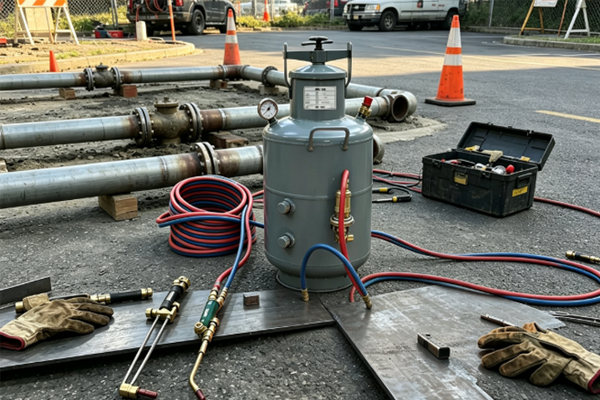
Why Does Torch Cutting Require the Right Propane Cylinder?
During steel cutting, metal fabrication, and maintenance work, a cutting torch needs a stable fuel supply to keep operating properly. A small hardware workshop may only use a torch for a few hours a day, while a large fabrication shop may operate continuously for much longer. The difference in propane consumption can be significant. For Hardware Industry businesses, a propane cylinder is more than just a gas container. Its capacity and configuration can affect operating time, cylinder replacement frequency, and overall convenience on the job site.
Many users only ask, “How many kilograms should the cylinder hold?” After putting the cylinder into actual use, they may find that a small cylinder requires too many replacements or that a larger cylinder is simply too heavy to move around the work area. Checking daily working hours, the number of cutting torches, and usage frequency in advance makes cylinder selection much easier.
Different Torch Cutting Jobs Have Different Cylinder Needs
- Small hardware workshops: Flexibility and easy cylinder replacement are often the priority.
- Steel cutting shops: Stable and continuous gas supply is more important.
- Machinery repair sites: Cylinder weight and secure positioning matter because the equipment may need to be moved.
- Large production facilities: Spare cylinders are usually needed to prevent unexpected interruptions.
In actual work, running out of propane halfway through a cutting job can be more troublesome than expected. Workers have to stop the torch, replace the cylinder, check the connections, and restart the operation. A few interruptions like this can quickly affect the day’s schedule.
How to Choose a Propane Cylinder for a Cutting Torch?
When purchasing a propane cylinder, capacity is not the only thing worth checking. Torch specifications, daily operating time, regulators, hoses, and connection fittings can all affect how well the system performs. In Hardware Industry metal cutting applications, operators may work with different steel thicknesses and workloads. Simply choosing the largest cylinder available is not always the best option.
Check These Points Before Buying a Propane Cylinder
| What Users Care About | What to Check | Practical Recommendation |
| How long one cylinder can last | Daily torch operating time and actual propane consumption | Estimate capacity based on normal daily usage |
| Whether cylinder changes are too frequent | Work shifts and continuous operating time | Keep spare cylinders when consumption is high |
| Whether the cylinder is easy to move | Cylinder weight, size, and moving distance | Consider portability for mobile repair work |
| Whether the torch can operate properly | Regulator, hose, and fitting compatibility | Select components designed for the system |
| Whether there is enough backup gas | Daily consumption and refill cycle | Keep a reasonable reserve |
| Whether long-term use is convenient | Cylinder, valve, and component condition | Maintain simple inspection and replacement records |
Don’t Choose Capacity Based Only on Size
If the torch is only used occasionally, a smaller propane cylinder may be sufficient. If steel cutting continues for several hours every day, a larger cylinder or additional spare cylinders may be more practical.
A simple approach is to record actual propane consumption for a period of time. Once you know approximately how much gas is used each day, it becomes much easier to determine the right cylinder quantity. It is more reliable than simply guessing based on cylinder size.
Regulators and Hoses Need to Match Too
Choosing the right cylinder is only part of the job. The regulator must be suitable for propane and the required operating conditions, while hoses and fittings should also meet the requirements of the torch system. After installation, check all connections carefully and replace components that show signs of wear, damage, or abnormal conditions.
How to Use a Propane Cylinder Safely with a Cutting Torch?
Torch cutting involves open flames, high temperatures, and hot metal sparks, so propane cylinders need careful handling on the job site. Small repair shops and fabrication workshops may use propane every day, but good safety practices do not have to be complicated. Simple routines that workers can follow consistently are often the most practical solution.
Plan the Cylinder Storage Area in Advance
Propane cylinders should be positioned in a well-ventilated location away from unnecessary heat sources and areas where they could be struck by equipment or vehicles. Cylinders should be kept stable, while torch hoses should not be crushed, stretched, or placed against hot surfaces.
- Keep cylinders stable and prevent tipping or impact.
- Maintain good ventilation and keep cylinders away from unnecessary heat and ignition sources.
- Keep hoses away from hot metal and sharp objects.
- Close the relevant valves when the equipment is not in use and store cylinders as required by local safety rules.
These steps are simple, but making them part of the daily routine can greatly improve on-site safety.
A Quick Pre-Work Inspection Only Takes a Few Minutes
Before starting work, check the cylinder body, valve, regulator, hose, and connection points. If anything appears abnormal, stop using the equipment and have it inspected by an appropriate person.
Hoses and fittings that have been used for a long time may look fine on the outside while still requiring replacement or maintenance. A quick inspection before work is much easier than dealing with a problem after it occurs.
How Can Proper Propane Cylinder Management Reduce Torch Downtime?
For Hardware Industry businesses, one of the most practical goals of propane cylinder management is to prevent production from stopping unexpectedly because of insufficient gas. Steel cutting and machinery repair are common applications where an interruption can affect not only the current task but also the following grinding, welding, or assembly processes.
A simple cylinder record can make a big difference. There is no need for complicated paperwork. Recording the date of use, cylinder replacement time, and any unusual conditions is usually enough. After keeping these records for a while, a workshop can see how much propane it normally consumes each day or week.
Spare Cylinder Planning for Different Workloads
| Application | Typical Gas Usage | Spare Cylinder Recommendation | Daily Management Focus |
| Small repair shop | Irregular usage | Keep a small number of spares | Check cylinders, valves, and fittings |
| Hardware fabrication shop | Cutting every day | Maintain a practical working reserve | Track cylinder replacement frequency |
| Steel fabrication workshop | Longer continuous operation | Plan the refill cycle in advance | Monitor continuous gas supply |
| Workshop with multiple torches | Faster consumption from simultaneous use | Increase inventory according to equipment quantity | Use unified inspection and usage records |
Don’t Wait Until the Gas Runs Out to Prepare Spares
Spare cylinders are meant for emergencies, not for situations where production has already stopped. Workshops with predictable propane consumption can schedule replenishment based on their normal usage rate.
- Record the date and operating time whenever a cylinder is replaced.
- Check the condition of spare cylinders regularly.
- Arrange replenishment before the inventory becomes too low.
- Calculate total propane consumption separately when several cutting torches operate at the same time.
This is a very practical habit. Workers do not have to keep wondering whether the current cylinder will last until the end of the shift. For steel cutting, hardware fabrication, and machinery repair, proper cylinder inventory makes daily work much smoother.
A good propane cylinder solution for torch cutting is really about keeping the fuel supply in step with the workload. Choose cylinder capacity based on actual consumption, inspect the cylinder, hoses, and regulator before use, and keep a reasonable spare supply on hand. For Hardware Industry businesses, a stable and practical propane setup can reduce unnecessary cylinder changes and help cutting work continue without constant interruptions.