
With the continued advancement of the circular economy and the green recycled resources industry, recycling stations are playing an increasingly important role in scrap metal processing, equipment dismantling, steel structure recovery, and other operations. In actual operations, processes such as cutting, dismantling, and sorting often require stable and continuous gas energy support. Among these, propane cylinders are widely used in scrap steel cutting and metal processing scenarios due to their stable combustion, moderate cost, and convenient transportation. Faced with growing processing volumes and higher operational intensity, traditional decentralized gas supply methods can no longer meet the multiple demands of efficiency, safety, and management at the same time. Building a standardized and systematic propane cylinder solution has therefore become an important foundation for improving the overall operating capability and on-site work efficiency of recycling stations.
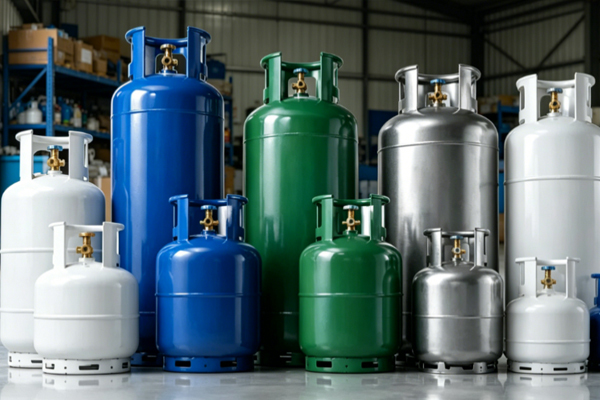
Why Recycling Stations Need a Propane Cylinder Solution
Recycling stations usually feature dispersed work areas, a large number of equipment units, and frequent gas usage. These practical conditions determine that the gas supply system must have stronger stability and continuity.
Meeting High-Intensity Metal Dismantling Needs
In scrap metal processing, cutting operations run through almost the entire workflow, and the continuity of the gas source is highly critical. A stable propane cylinder gas supply solution often directly determines whether on-site dismantling efficiency and work rhythm can remain smooth.
- Supports long-duration continuous cutting operations, effectively reducing downtime caused by frequent gas source replacement, thereby keeping the dismantling process at a more stable pace and allowing workers to devote more time to actual production.
- Adapts to on-site environments with multiple workstations operating simultaneously, enabling multiple cutting points to maintain stable gas supply within the same time period, thereby improving overall dismantling efficiency and helping recycling stations better handle peak-order pressure.
- Maintains stable output pressure and reduces flame fluctuation, making the cutting process smoother, lowering cutting errors and rework caused by unstable pressure, while also helping improve cut quality and material utilization.
A stable propane cylinder supply can ensure that recycling stations maintain continuous production capacity under high-load operations and lay a solid foundation for future large-scale operations.
Optimizing On-Site Operational Management Structure
As recycling businesses continue to expand, traditional decentralized cylinder management methods gradually reveal management complexity, making systematic configuration more necessary to improve on-site order and management efficiency.
- Reducing the frequency of cylinder transportation and replacement not only improves operational continuity on site, but also allows workers to devote more time to actual production, reducing time waste caused by waiting for gas supply.
- Lowering inventory management difficulty and improving site cleanliness makes cylinder placement, turnover, and usage processes clearer, facilitating unified on-site management and helping reduce safety risks caused by disorganized placement.
- Reducing manual scheduling pressure and improving overall operational efficiency allows managers to focus more on production arrangements and safety supervision rather than repeatedly handling gas supply coordination, thereby improving the overall operating efficiency of the recycling station.
A standardized propane cylinder system can help recycling stations achieve a more efficient production management model and create a smoother linkage among gas supply, dismantling, and safety management.
Core Components of the Propane Cylinder Application System
A propane cylinder solution is not a single piece of equipment, but a system engineering project composed of storage, transportation, control, and safety management. Only when each link operates in coordination can the value of stable gas supply truly be realized.
Core System Structure
In practical applications, a propane cylinder system usually needs to be built around five core modules: storage, pressure reduction, transportation, monitoring, and maintenance, so that efficiency, safety, and long-term operational stability can all be ensured.
| System Module | Function Description | Application Value |
| Propane Cylinder Storage System | Gas storage and supply | Meets continuous operational needs |
| Pressure Reducing and Stabilizing Device | Controls output pressure | Ensures cutting stability |
| Pipeline Transportation System | Gas delivery | Improves gas supply efficiency |
| Safety Monitoring System | Real-time operating status monitoring | Reduces safety risks |
| Maintenance Management System | Routine maintenance management | Extends equipment service life |
Systematic configuration can significantly improve overall gas supply stability and on-site operational safety, while also helping recycling stations establish a more standardized gas usage process.
Storage System Planning and Design
Storage capacity directly determines whether a recycling station can maintain continuous operations, so comprehensive planning based on actual production capacity, workstation quantity, and future development space must be carried out during the solution design stage.
- Determine gas storage scale according to daily processing volume, and conduct comprehensive calculations based on actual cutting frequency, workstation quantity, and operating hours to avoid insufficient gas supply or resource waste, while also making cylinder configuration more aligned with actual needs.
- Arrange zones reasonably according to workstation quantity so that different work areas can receive stable gas supply based on their own needs, while also facilitating unified scheduling and maintenance management later, thereby improving the orderliness of on-site operations.
- Reserve future expansion space so that when business grows, equipment increases, or processing volume rises, the system can be upgraded more flexibly without affecting existing production, which is especially important for recycling stations with long-term operations.
Scientific planning can effectively reduce later expansion costs, improve investment efficiency, and allow the propane cylinder system to maintain good adaptability at different development stages.
Transportation and Pressure Control System
Stable transportation is a key link in ensuring cutting quality, especially in scrap metal dismantling and continuous cutting operations, where pressure stability directly affects flame condition and work results.
- Maintain stable output pressure to avoid uneven flames caused by fluctuating pressure, which would affect cutting speed, cut quality, and operational safety, while also reducing operational risks caused by equipment instability.
- Optimize pipeline design to reduce pressure loss and gas waste during transportation, allowing the gas source to reach each usage point more efficiently and helping lower long-term operating costs.
- Improve gas utilization and cutting precision so that equipment can maintain good working condition during long-term operation, reduce repeated processing and material loss, and thereby improve overall production efficiency.
A well-designed transportation system can improve overall operational efficiency and stability, allowing the value of propane cylinders to be more fully reflected in actual production.
How Recycling Stations Should Configure a Propane Cylinder Solution
Recycling stations of different scales have obvious differences in gas demand and operating modes, so targeted configuration is necessary. Only by designing according to actual site conditions can efficient, safe, and economical gas supply be truly achieved.
System Configuration by Scale
Recycling stations of different sizes differ significantly in gas consumption and management methods, so flexible configuration is needed to ensure the gas supply system is neither overinvested nor insufficient for production.
- Small Recycling Stations
Small recycling stations have fewer workstations and relatively concentrated workflows, making them more suitable for a basic propane cylinder configuration solution to meet daily cutting and dismantling needs while also controlling initial investment costs and making the system easier to implement.
- Medium and Large Recycling Centers
Medium and large recycling centers operate multiple work areas in parallel and have more obvious peak gas demand, making them more suitable for centralized gas supply and systematic management solutions to ensure stable use across multiple workstations and maintain good gas supply continuity during peak operations.
Properly matching the scale can avoid resource waste or insufficient gas supply, allowing the propane cylinder system to play a more appropriate role in recycling stations of different sizes.
Configuration by Recycled Material Type
Different scrap materials require different cutting capabilities, so when configuring a propane cylinder solution, one should not only look at the number of cylinders, but also comprehensively consider material characteristics, dismantling methods, and operational intensity.
- Scrap steel structures are usually large and thick, requiring stronger high-temperature continuous cutting capability to ensure dismantling efficiency and cut quality. Such scenarios are better suited to a stable-output gas supply solution.
- Scrap equipment often has complex structures and scattered components during dismantling, requiring flexible multi-point gas supply support to adapt to different positions and angles of operation, thereby improving dismantling flexibility.
- Mixed scrap materials come from diverse sources and require varied processing methods, so they need a stable and scalable system to maintain good adaptability in different work scenarios and leave room for future business changes.
Configuring according to actual scenarios can significantly improve operational efficiency and allow the propane cylinder system to better serve different types of recycling businesses.
Safety and Maintenance Management System
Propane is a flammable gas, so safety management is especially important. Any oversight in detail may affect on-site operational safety, so a long-term, standardized, and executable management mechanism must be established.
- Regularly inspect valve and pipeline sealing to promptly identify aging, loosening, or leakage risks, which can effectively reduce operational safety hazards and prevent small issues from developing into major failures.
- Establish a standard inspection system so that equipment checks, record keeping, and issue handling follow fixed procedures, thereby improving the standardization and traceability of on-site management and facilitating later responsibility assignment and issue review.
- Improve operation and maintenance records to facilitate later analysis of equipment status, optimization of usage methods, and provide data support for long-term stable operation, which is crucial for improving system lifespan and management efficiency.
Standardized management can significantly reduce safety risks and make the application of propane cylinders in recycling stations more stable, reliable, and sustainable.
Comprehensive Value Brought by the Propane Cylinder Solution
Through proper gas supply system configuration, recycling stations can maintain a more stable cutting rhythm during peak operations while also gaining more obvious advantages in cost control and long-term development.
Improving Scrap Metal Processing Efficiency
The propane cylinder solution can improve the overall operating efficiency of scrap recycling stations in multiple ways, making cutting, dismantling, and transportation processes more closely connected.
- Increase daily processing capacity, enabling recycling stations to complete more dismantling and cutting tasks within the same time period, thereby enhancing overall output and giving enterprises more confidence when facing more orders.
- Shorten dismantling cycles so that scrap materials can enter sorting, transportation, and reuse processes more quickly, improving resource turnover efficiency and helping enterprises achieve faster cash flow.
- Enhance overall operational continuity by reducing interruptions caused by unstable gas supply, making production processes smoother and on-site management more efficient and orderly.
Properly configuring a propane cylinder system is an important guarantee for efficient recycling station operations and an important means of improving market competitiveness.
Reducing Overall Operating Costs
The propane cylinder solution not only optimizes the on-site gas supply structure, but also improves the overall operational efficiency of recycling stations from multiple dimensions, making cost control more manageable and more refined.
- Reduce transportation and scheduling costs by using more reasonable cylinder configuration and gas supply methods, lowering expenses caused by frequent handling and repeated delivery while also reducing time consumption in logistics.
- Lower labor management input by freeing on-site personnel from tedious cylinder replacement and coordination work, improving human resource utilization and allowing more manpower to be invested in core production processes.
- Improve gas utilization efficiency and reduce waste and loss, ensuring that every portion of fuel gas can more fully serve actual production, thereby making overall operations more economical.
Through systematic configuration and standardized management, propane cylinders can bring more stable and economical long-term value to scrap recycling stations and help enterprises maintain a better cost advantage in competition.
Supporting Scaled Development
As recycling business continues to grow, the propane cylinder system also needs to have good expansion capability so that it can adapt to the enterprise’s changing production needs and development pace.
- Support later system expansion, allowing enterprises to more easily increase gas supply capacity as business grows without rebuilding the entire system, thereby saving renovation costs and time.
- Meet the needs of additional workstations, helping recycling stations maintain stable gas supply when expanding production scale, avoiding delays in expansion caused by insufficient equipment, and enabling new business to be implemented more quickly.
- Adapt to large-scale project operations by providing reliable support for higher processing volumes, more complex scenarios, and longer operating cycles, making enterprises more competitive when facing larger projects.
This flexible expansion feature allows enterprises to maintain stable and efficient gas supply support at different development stages and provides a solid guarantee for future growth.
As the recycling industry continues to move toward greater scale and efficiency, a stable gas supply system has become an important foundation for improving processing capacity. Through systematic design, the propane cylinder solution achieves integrated optimization of storage, transportation, and safety management, providing continuous and stable support for scrap steel dismantling, equipment recycling, and metal cutting. While improving efficiency and reducing costs, it also provides a guarantee for future expansion. Combined with gas equipment system applications, on-site gas supply structures can be further optimized, and Zhongcheng Gas Tank can provide reliable overall propane cylinder solution support for the recycled resources industry.