
Automotive metal parts may look small, but processing them often involves quite a few details. Metal brackets, connectors, exhaust system components, and other parts may need heating before shaping, assembly, or further processing. Automotive accessories manufacturers and repair workshops that use gas-powered heating equipment need a suitable fuel source. Propane cylinders can supply fuel to compatible heating equipment for certain metalworking applications. With the right cylinder and equipment setup, workshops can keep their work moving without unnecessary interruptions caused by poor gas supply planning.
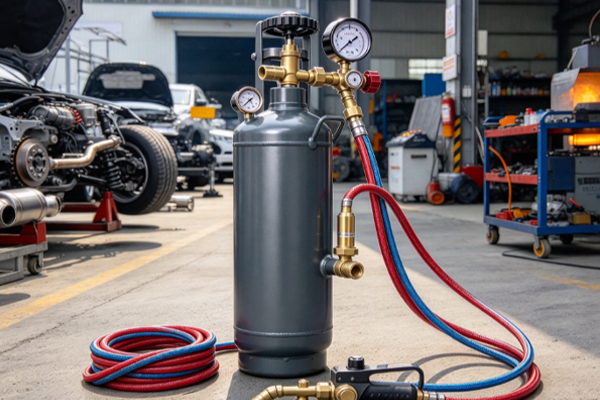
When Are Propane Cylinders Used for Automotive Metal Part Heating?
Automotive metal parts are not all processed in the same way. Some can be finished using conventional machinery, while others require heating before further work can be carried out. Propane combustion provides heat and can be used for certain metal heating tasks when the equipment and process allow it. For automotive accessories manufacturers, the goal is not to use gas for every operation, but to choose a suitable heat source for jobs that actually need one.
Which Automotive Metalworking Tasks May Require Gas Heating?
During automotive parts production and repair, propane cylinders mainly supply fuel to compatible equipment. Their specific applications depend on the processing requirements.
- Metal preheating: Some metal components need to be heated before further processing.
- Part shaping: Certain components require heating and adjustment with specialized tools.
- Repair assistance: Selected metal repair jobs may call for suitable heating equipment.
- Parts production: Some metal automotive accessories involve localized heating during manufacturing.
Not every metal part can be heated directly with a flame. The material, surface coating, and nearby plastic or rubber components all affect the appropriate processing method. If the process is unsuitable, direct flame heating should not be used simply for convenience.
Common Automotive Metal Parts and Their Heating Requirements
| Automotive Metal Part | Possible Processing Task | Key Consideration |
| Metal brackets | Localized heating and shaping assistance | Check whether the material and structure can withstand heating |
| Exhaust system components | Specific repair or processing tasks | Consider nearby components and surface coatings |
| Metal connectors | Assembly assistance and localized heating | Confirm the processing requirements first |
| Metal automotive accessories | Parts production and shape adjustment | Match the heating method to the material |
| Steel repair components | Specialized repair work | Have qualified personnel determine the appropriate method |
Not every automotive metal part needs propane heating. Routine screw replacement, part installation, and simple mechanical work can usually be handled with conventional tools. Using gas heating only for tasks that require it is often the more practical approach.
What Size Propane Cylinder Is Suitable for Automotive Metal Part Processing?
Choosing a cylinder is not just about picking the largest size. A small repair shop may handle only a few parts each day, while a large automotive accessories factory may run heating equipment for extended periods. Their fuel consumption will be very different. A cylinder that is too small may need frequent replacement during work, while a larger cylinder is not automatically the better option. Storage space, equipment requirements, and site management also matter.
What Should You Check When Choosing a Propane Cylinder?
- Equipment fuel consumption: Check the heating equipment’s fuel specifications and rated consumption.
- Daily operating hours: Occasional use and long periods of continuous operation require different supply plans.
- Available space: Cylinders must not block walkways or be placed casually next to heat sources.
- Gas supply arrangements: Workshops with frequent propane use should plan refills or cylinder replacements in advance.
The table below highlights the main setup considerations for different working environments.
| Application | Main Considerations | Practical Setup Advice |
| Small automotive repair shop | Usage frequency and available space | Check equipment compatibility and suitable storage conditions |
| Automotive accessories workshop | Daily fuel consumption and production schedule | Plan gas supply around actual operating hours |
| Parts factory with continuous production | Supply continuity and backup arrangements | Prepare a supply plan and have qualified personnel verify the system |
| Temporary repair work | Equipment requirements and site conditions | Confirm that the work location meets applicable gas-use requirements |
The cylinder specifications must match the equipment requirements. Do not estimate capacity based on guesswork, modify connections yourself, or connect incompatible equipment.
What Equipment Should Be Used with Propane Cylinders?
A cylinder stores the fuel; the connected burner or heating equipment produces the heat. Regulators, hoses, and control components must also be suitable for propane systems. Equipment that appears to connect properly is not necessarily safe to use. Connections, pressure requirements, and manufacturer instructions all need to be checked.
Important Details to Check When Matching Equipment
- Are the cylinder outlet and equipment connections compatible?
- Is the regulator suitable for propane and the specific equipment?
- Are the hoses undamaged, and do their specifications meet the requirements?
- Is the heating equipment suitable for the material and processing method involved?
Routine inspections should cover more than the cylinder itself. Faulty connections can also affect safe operation. If a gas leak is suspected, stop work immediately, keep away from ignition sources, and follow the manufacturer’s instructions and applicable local safety requirements. Do not attempt unauthorized repairs.
What Safety Precautions Apply When Using Propane Cylinders for Automotive Metal Heating?
Automotive accessories workshops often contain packaging, rubber parts, plastic components, lubricants, and other materials that may create fire hazards when exposed to flames or high temperatures. Before starting a heating job, clear the work area and remove materials that should not be near the heat source. Cylinders must also be placed in an approved location rather than moved next to an open flame or hot equipment simply to make work more convenient.
Keep these points in mind during daily operation:
- Keep cylinders upright and secured in a ventilated location that complies with local requirements.
- Inspect valves, hoses, and connections before use. Stop using the equipment if anything appears damaged or abnormal.
- Remove nearby combustible materials and prevent hot workpieces from contacting plastic, rubber, or packaging.
- Follow equipment instructions and applicable gas, fire, and occupational safety regulations. Untrained personnel should not operate the equipment independently.
Propane cylinder solutions for thermal processing of automotive metal parts are about matching the cylinder, heating equipment, and actual production requirements. For automotive accessories manufacturers and metal parts repair workshops, it makes more sense to confirm that propane heating suits the process and then plan cylinder specifications, gas supply, and storage arrangements than to focus on capacity alone. Regular inspections and compatible equipment help keep production running smoothly while supporting safer, more consistent gas use.