
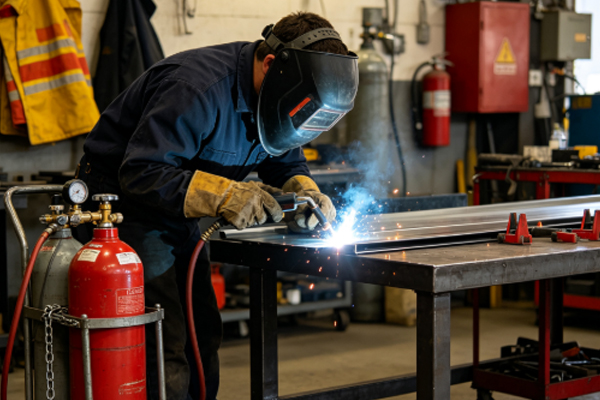
Thin plate welding is widely used in metal processing, equipment manufacturing, automotive repair, and custom fabrication industries. It requires high stability in flame control, temperature regulation, and continuous gas supply. When welding thin metal materials, excessive heat, deformation, and uneven welding results need to be avoided, making reliable propane gas supply equipment an important support tool for craftsmen. The propane gas cylinder solution provides continuous energy support for thin plate welding through a reliable storage structure and stable output performance, helping craftsmen complete heating, welding, brazing, and metal forming operations. This solution is suitable for sheet metal workshops, repair shops, metal fabrication areas, and mobile working environments, providing flexible and efficient gas supply support for different thin plate welding applications.
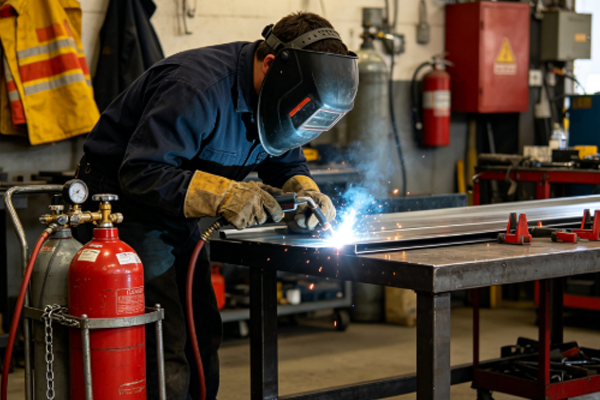
Advantages of Propane Gas Cylinders for Thin Plate Welding Craftsmen
Thin metal materials have characteristics such as low thickness and noticeable thermal response, requiring more precise flame control during welding operations. Propane gas cylinders provide stable gas output and convenient connection designs, helping craftsmen maintain suitable processing temperatures and improve welding stability. The equipment is suitable for various thin plate processing tasks and can work with different welding tools to complete metal heating and joining operations, providing reliable fixed or mobile gas supply options for craftsmen.
Stable Gas Supply Improves Thin Plate Processing Results
During thin plate welding, fluctuations in gas supply may affect flame performance and reduce processing quality. Propane gas cylinders maintain stable fuel output, allowing welders to better control heating areas and operation speed. A consistent flame helps reduce material deformation, improve welding joint quality, and support precision metal processing tasks.
Flexible Use Meets Different Welding Requirements
Different thin plate materials and working environments require adaptable gas supply equipment. Propane gas cylinders provide strong application flexibility.
- Supports thin metal plates with different thicknesses.
- Suitable for workshop production and field maintenance.
- Meets welding, heating, and brazing process requirements.
- Works with various welding tools.
- Improves flexibility during craftsmanship operations.
Flexible gas supply allows craftsmen to adjust equipment usage according to actual processing tasks, improving the efficiency and stability of thin plate welding operations.
Thin Plate Welding Application Scenarios
Propane gas cylinders can be applied in various thin plate processing environments and provide continuous energy support according to different working requirements.
| Application Scenario | Common Operations | Equipment Function |
| Sheet Metal Workshop | Thin plate forming and welding | Provides stable fuel supply |
| Automotive Repair Area | Vehicle body panel repair | Supports on-site heating |
| Metal Fabrication Workshop | Custom metal processing | Provides continuous gas supply |
| Equipment Maintenance Site | Thin plate component adjustment | Improves repair efficiency |
| Mobile Construction Environment | Outdoor metal processing | Provides portable energy |
Selecting suitable propane gas cylinder specifications improves thin plate processing capability and meets the needs of craftsmen in different working environments.
Usage Methods of Propane Gas Cylinders for Thin Plate Welding Craftsmen
Thin plate welding requires precise control throughout the operation process. Proper use of propane gas cylinders improves processing results while maintaining stable equipment performance. Before welding, craftsmen need to complete equipment inspection, connection installation, gas adjustment, and post-use maintenance to keep the gas supply system operating reliably.
Equipment Preparation Process Before Operation
Before using propane gas cylinders, inspect the cylinder body, connection components, valves, and gas pipelines to confirm that all parts are in proper condition. Select suitable welding tools according to the thin plate material and place the cylinder in a stable position away from impact and high-temperature environments. After completing the connection, confirm that gas supply is normal before starting welding operations.
Thin Plate Welding Operation Process
Standard operation procedures help craftsmen improve processing quality and reduce uneven heating problems.
- Check whether gas cylinder output is normal.
- Adjust flame intensity according to material thickness.
- Control heating areas to reduce plate deformation.
- Maintain consistent welding speed.
- Shut off gas supply after completing work.
- Inspect equipment connection points.
Proper operation control helps welders improve thin plate processing results and allows propane gas cylinders to deliver stable performance.
Equipment Maintenance and Storage Methods
During long-term use, propane gas cylinders require proper maintenance management. After operation, inspect valves and connection components and remove dust or contaminants from the equipment surface. When storing the equipment, select a ventilated and safe location to prevent environmental factors from affecting performance. Good maintenance practices extend equipment service life and improve reliability for future welding tasks.
Functions, Performance, and Applications of Propane Gas Cylinders in Thin Plate Welding
Thin plate welding requires strong equipment control capability and stable operation performance. Craftsmen need gas supply tools that can adapt to different working conditions. Propane gas cylinders provide reliable support for metal processing through stable fuel supply, convenient operation, and wide application capability. The equipment can be used in various welding environments and improves craftsmen’s ability to handle different materials and workpieces.
Supporting Different Materials and Expanding Processing Applications
Thin plate welding involves steel sheets, stainless steel plates, and other metal materials, each requiring different heating methods. Propane gas cylinders can work with various tools to complete heating and welding operations, helping craftsmen adjust working methods according to material characteristics and expand equipment application possibilities.
Supporting Different Workpiece Processing Tasks
Thin plate processing involves various types of workpieces, requiring gas supply equipment with strong adaptability.
- Automotive body panel repair.
- Metal housing fabrication.
- Furniture hardware processing.
- Equipment cover restoration.
- Industrial thin plate structure adjustment.
Wide application capability allows propane gas cylinders to meet different craftsmanship requirements and improve convenience in production and repair operations.
Improving Gas Supply Performance and Welding Quality
Thin plate welding requires stable flame performance and suitable temperature control. Propane gas cylinders provide continuous energy output, helping craftsmen better manage the processing procedure. The equipment features stable gas supply, flexible operation, and wide application range, making it suitable for metal heating, thin plate joining, and repair operations. Through reliable gas supply support, this solution helps craftsmen improve work efficiency and provides a more stable and effective energy solution for the thin plate welding industry.