Recycling stations handle all kinds of materials every day. Along with paper, plastics, and scrap metal, they often deal with equipment repairs, metal frame maintenance, and cutting of large scrap steel components. When large machinery needs to be dismantled or metal parts become difficult to remove, having suitable welding and cutting equipment on site can make the job much easier. Refillable acetylene cylinders can provide a gas supply for suitable welding and cutting equipment, making them useful for recycling stations with ongoing metal-processing needs. However, acetylene cylinders are subject to strict requirements for filling, inspection, transportation, storage, and use. The cylinders should comply with local regulations and standards, while filling and inspection should be handled by qualified providers.
Why Do Recycling Stations Need Acetylene Cylinders?
A recycling station does much more than sort and package waste. When large scrap machinery arrives, it may need to be dismantled, cut, or repaired. Some metal components may be tightly connected and difficult to remove manually. Recycling equipment itself also operates for long hours, so conveyors, compacting machines, metal frames, and other equipment may require maintenance. For these jobs, a suitable acetylene gas supply can support professional welding and cutting work, reducing the need to repeatedly remove equipment and send it elsewhere for processing.
Easier Scrap Metal Dismantling
Metal scrap comes in many shapes and sizes. Some pieces come from discarded machinery, while others are steel structures or large equipment components. When large materials need to be processed, manual dismantling can take a lot of time. After the working conditions have been professionally assessed, appropriate cutting equipment can be used when required.
- Large scrap metal structures can be divided into smaller sections using suitable cutting equipment.
- Metal parts that are difficult to remove manually can be professionally cut.
- Steel plates, pipes, and metal frames may require on-site size adjustments.
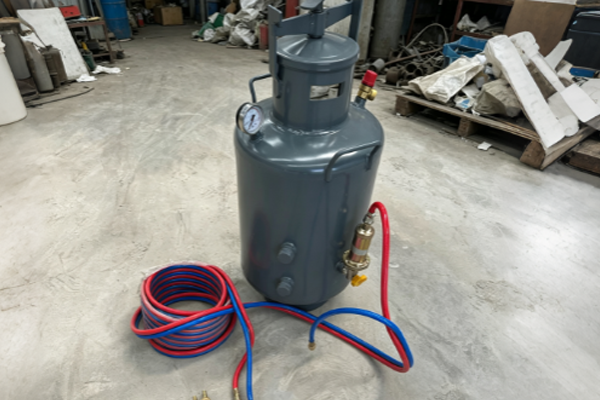
An acetylene cylinder is only one part of the gas supply system. A compatible regulator, hose, and welding or cutting equipment are also required. Different gas equipment should never be mixed without confirming compatibility.
Reduce Downtime During Recycling Equipment Repairs
Machinery at recycling stations can experience considerable wear because of continuous operation. If a metal bracket breaks or an equipment component needs repair, removing it and sending it to an outside processing facility can extend downtime.
For sites with qualified repair capabilities, a properly configured acetylene cylinder can support suitable welding and cutting tasks, allowing maintenance personnel to handle certain metal repair jobs on site.
How Should Recycling Stations Choose Refillable Acetylene Cylinders?
When purchasing acetylene cylinders, many people immediately ask, “What size should we buy?” In practice, cylinder capacity is only one part of the decision. The station’s gas consumption, cutting frequency, maintenance workload, storage conditions, and transportation requirements all matter. More importantly, “refillable” does not mean that a cylinder can simply be refilled anywhere. The cylinder must meet applicable local regulations and inspection requirements and must be accepted by an authorized filling provider.
Plan the Supply Around Actual Gas Consumption
A recycling station with frequent metal cutting and equipment repairs will naturally consume more gas. If cylinders run out during a dismantling job, work can be interrupted. At the same time, storing too many cylinders creates additional management requirements.
- Frequent cutting: Plan backup cylinders and compliant refilling arrangements in advance.
- Equipment maintenance: Estimate gas consumption based on actual repair workloads.
- Occasional use: Give more attention to storage, inspection, and ease of management.
- Mobile work: Consider transportation, securing, and on-site storage requirements.
It is much more practical to estimate monthly consumption first and then decide how many cylinders are needed instead of simply choosing the largest capacity.
Questions Worth Asking Before Purchasing
For recycling stations, cylinder purchasing is not just about price. Whether the cylinder can be legally refilled, whether the accessories are compatible, and how inspections will be handled are all important for long-term use.
| Question Recycling Stations Care About | What to Confirm | Why It Matters |
| Can the cylinder be refilled? | Compliance with local regulations, inspection, and filling requirements | Determines whether it can enter an authorized refilling process |
| What cylinder size is suitable? | Actual gas consumption and operating frequency | Affects replacement and backup planning |
| What regulator is required? | Whether it is designed for acetylene and compatible with the equipment | Supports proper gas supply |
| Where should the cylinder be stored? | Ventilation, securing, and distance from heat sources | Makes daily safety management easier |
| How should it be transported? | Local transportation, handling, and securing requirements | Helps reduce handling risks |
| When does it need inspection? | Applicable local inspection intervals | Helps prevent use of cylinders that are not compliant |
These questions may sound basic, but they can prevent a lot of trouble later. For a busy recycling station, cylinder management should be planned before the equipment is actually needed.
How Should Acetylene Cylinders Be Used Safely at Recycling Stations?
Recycling stations can be complicated working environments, with vehicles, scrap metal, and machinery operating in the same area. Cylinders should never be placed next to cutting equipment simply because it is convenient. They should also be kept away from heat sources and sparks. Workers should understand the basic operation of the cylinder, regulator, hose, and welding or cutting equipment. Spending a few minutes checking everything before starting work is far easier than dealing with a problem halfway through a job.
Plan the Cylinder Storage Area
Cylinders should be stored upright and secured in accordance with local regulations and safety requirements. The storage area should have suitable ventilation and should be away from heat, sparks, and other hazards.
- Do not place cylinders directly beside active cutting or welding operations.
- Protect cylinders from impacts, rolling, and mechanical damage.
- Keep the storage area organized so workers can inspect and manage the cylinders easily.
For large recycling stations, storage locations can be planned around actual work areas, while required clearances and protective measures must follow local regulations.
Do Not Skip Pre-Work Inspections
Inspect the cylinder, valve, regulator, hose, and connection points before use. If there is visible damage, an abnormal condition, or a suspected leak, stop using the equipment and follow professional safety procedures.
Workers should also avoid adjusting operating pressure based purely on experience. The correct pressure should follow the requirements of the welding or cutting equipment manufacturer rather than simply increasing pressure to create a larger flame.
Use Compatible Accessories
Regulators, hoses, and connection components used with acetylene systems must meet the appropriate requirements. If a specific component is missing, workers should not simply substitute an accessory intended for another gas.
Having the correct accessories ready before work begins makes the setup easier and allows workers to follow a consistent inspection routine.
Which Recycling Stations Are Most Suitable for Acetylene Cylinders?
Not every recycling station needs acetylene cylinders. If a site mainly sorts paper, plastics, and ordinary household waste and rarely handles metal equipment, gas consumption may be very low. However, recycling facilities that process scrap machinery, steel, metal equipment, and large structures may have much greater demand for cutting and maintenance work.
Scrap Machinery Recycling Stations
Dismantling old machinery often involves metal connectors, brackets, and large structural components. Some dismantling work may require qualified personnel to use suitable welding or cutting equipment.
Scrap Steel Processing Facilities
Steel plates, pipes, and large metal frames often need to be resized after arriving at a recycling facility to meet transportation, sorting, or further processing requirements. Professional cutting equipment can make this work more efficient.
Equipment Maintenance-Focused Recycling Stations
If a recycling station handles maintenance of conveyors, compactors, or other machinery in-house, an acetylene cylinder can be part of the gas supply setup for suitable welding and cutting tasks.
Gas consumption varies greatly between sites. Recording actual workloads before purchasing makes it easier to determine the right number of cylinders and the appropriate backup plan. There is little value in storing large quantities of cylinders that are rarely used.
How Can Refillable Acetylene Cylinders Be Managed More Efficiently?
The biggest problems workers encounter are often not related to the cylinder itself. Running out of gas unexpectedly, incompatible accessories, poor storage arrangements, and missed inspections can all disrupt work. A recycling station can keep a simple gas-use record and review weekly or monthly consumption before planning authorized refilling and backup supplies. When a cylinder reaches its required inspection interval, it should be sent to a qualified provider for inspection.
A simple routine can work well in daily operations: inspect before use, operate according to requirements, and check the equipment again after finishing. If a cylinder, valve, regulator, or hose shows signs of damage, leakage, or another abnormal condition, stop using it. Acetylene is highly flammable, so proper handling and compliant management are essential.
For recycling stations, the value of refillable acetylene cylinders is not simply the gas they contain. They can provide gas supply support for scrap metal dismantling, equipment maintenance, and suitable welding and cutting operations. Selecting cylinder specifications according to actual consumption, using compatible regulators and accessories, and following local requirements for filling, inspection, transportation, and storage can make daily work much easier.
Recycling stations deal with different tasks every day. One day it may be a scrap steel frame; the next, it could be a discarded machine that needs to be dismantled. Maintenance and dismantling work are often difficult to predict. Having a properly planned acetylene gas supply and compatible welding and cutting equipment can reduce unnecessary waiting when suitable tasks arise. At the same time, convenience should never replace proper cylinder filling, professional inspection, safe storage, and correct operation. With these basics in place, acetylene cylinders can provide practical support for metal processing and equipment maintenance at recycling stations.