
In the context of continuous upgrading of agricultural machinery maintenance systems toward on-site operation and mobility, welding and heating tasks are no longer limited to fixed workshops but are increasingly carried out in fields and temporary repair sites. Equipment such as tractors, harvesters, and various agricultural machines often suffer structural damage or component seizure after long-term high-load operation, requiring efficient thermal assistance for rapid repair. In this process, propane cylinders are widely used in agricultural machinery maintenance due to their portability, ease of operation, and stable combustion. However, they also require strict safety management during use.
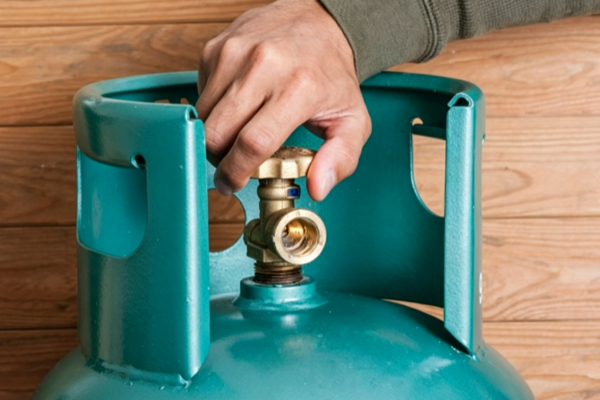
Core Role and Risk Awareness of Propane Cylinders in Agricultural Machinery Maintenance
In agricultural machinery maintenance scenarios, propane cylinders are mainly used to provide medium-to-low temperature heat sources for tasks such as heating assistance, disassembly support, and pre-welding treatment. Compared with fixed gas supply systems, they are more suitable for mobile and emergency repair environments. However, as flammable gas equipment, safety management is essential.
Providing Stable Heating and Auxiliary Maintenance Heat Source
During long-term agricultural machinery operation, problems such as rusted bolts, structural deformation, or seized joints are common. Mechanical force alone is often insufficient, and thermal assistance becomes necessary.
Common applications include:
- Heating and loosening rusted bolts
- Local heating and reshaping of machinery housings
- Preheating of light metal components
- Assisted heating for hydraulic system disassembly
These operations effectively reduce disassembly difficulty, improve maintenance efficiency, and minimize secondary damage caused by forced mechanical removal.
Potential Safety Risks During Use
Although propane cylinders are widely used in agricultural machinery maintenance, improper operation may still lead to safety hazards. Therefore, it is essential to fully understand the risk sources.
Main risks include:
- Leakage leading to fire or explosion hazards
- Flashback risk in high-temperature environments
- Connection failure due to aging hoses
- Abnormal pressure caused by improper storage
These risks are closely related to operational practices and equipment condition rather than the gas itself.
Standard Operating Procedures in Agricultural Machinery Maintenance Scenarios
In agricultural machinery maintenance environments, the use of propane cylinders must follow standardized procedures. Every step, from inspection to operation, must be strictly controlled to ensure both safety and efficiency.
Pre-Operation Equipment Inspection and Preparation
Before each use, a full inspection of the propane cylinder system and accessories is required to ensure safe operation.
Inspection items include:
- Cylinder valve integrity and leakage check
- Proper function of the pressure regulator
- Condition of gas hoses (wear or cracks)
- Tightness and sealing of all connections
In addition, the working area must be well ventilated and kept away from ignition sources to reduce gas accumulation risks.
Standard Ignition and Operation Procedures
Proper operation is the key to safety. Any deviation from standard procedures may increase accident risks.
Standard steps include:
- Open cylinder valve before ignition
- Use dedicated ignition tools
- Control flame size to avoid overheating
- Maintain safe distance between operators
These procedures help reduce flashback risks and improve overall operational safety.
Post-Operation Safety Handling
Proper shutdown and storage after operation are equally important in preventing accidents.
Key steps include:
- Close gas valve completely
- Release residual gas in the pipeline
- Check for possible leakage points
- Allow equipment to cool before storage
Safety Management Key Points and Protective Measures in Agricultural Machinery Maintenance
In practical agricultural machinery maintenance, the safe use of propane cylinders depends not only on equipment quality but also on systematic operational standards and personnel protection.
Work Environment Safety Control
A proper working environment is the foundation of safety, especially in field or temporary repair sites.
Key requirements include:
- Maintain good ventilation in the working area
- Keep away from diesel, gasoline, and other flammable materials
- Avoid prolonged use in enclosed spaces
- Set up safety isolation zones
These measures reduce gas accumulation and external ignition risks.
Equipment and System Safety Configuration
Propane cylinder systems must be equipped with complete safety devices to ensure stable operation.
Recommended configurations include:
- Pressure regulators for stable output
- Flashback arrestors for flame protection
- High-quality pressure-resistant hoses
- Regular sealing inspections
These devices significantly reduce operational risks and improve system reliability.
Personnel Operation and Training Management
Human factors are critical in safety control. Proper training greatly reduces operational risks.
Management requirements include:
- Operators must receive professional training
- Familiarity with emergency shutdown procedures
- Use of protective gloves and safety equipment
- Non-professionals are prohibited from operating
Storage and Transportation Safety Management Standards
When not in use, propane cylinders still pose safety risks, so proper storage and transportation management is essential.
Storage Requirements
- Store in cool and ventilated areas
- Keep away from direct sunlight and heat sources
- Maintain safe distance from flammable materials
- Prevent falling or mechanical impact
Transportation Management
- Secure cylinders to prevent rolling
- Use dedicated transport equipment
- Avoid high-temperature exposure
- Regularly inspect cylinder condition
As agricultural machinery maintenance continues to evolve toward higher efficiency and mobility, the application of propane cylinders in field operations will continue to expand. However, safety remains the top priority. Only by strictly following operational standards and safety management systems can their advantages be fully utilized, ensuring reliable support for agricultural machinery operation. Zhongcheng Gas Cylinde specializes in providing safe and reliable gas solutions for agricultural machinery and industrial applications.