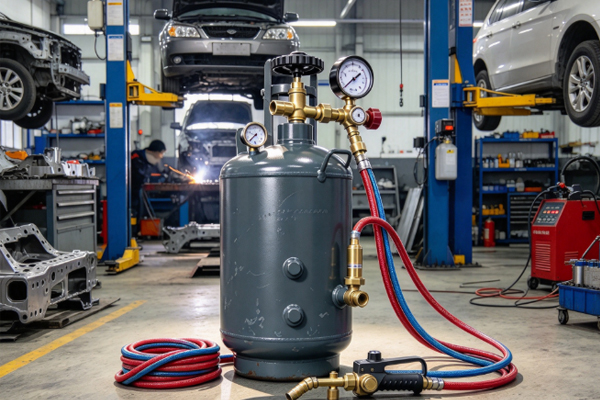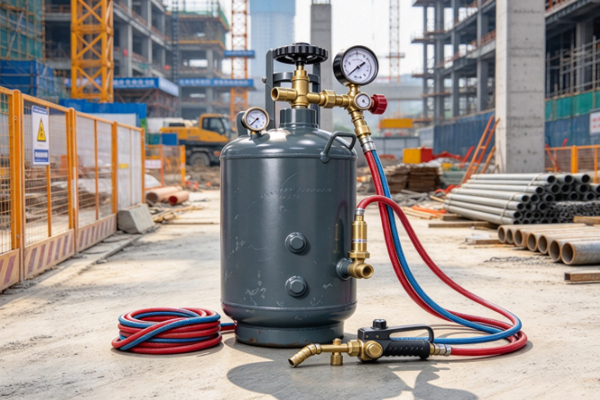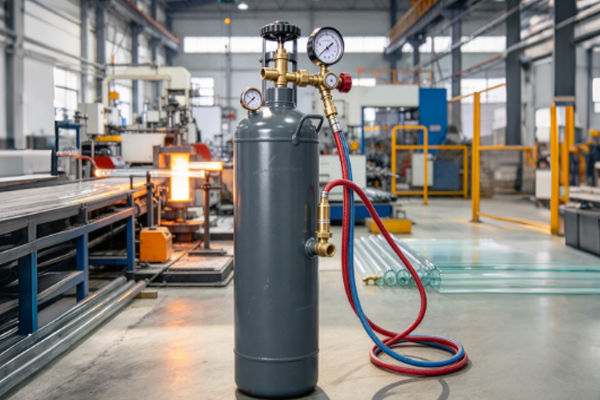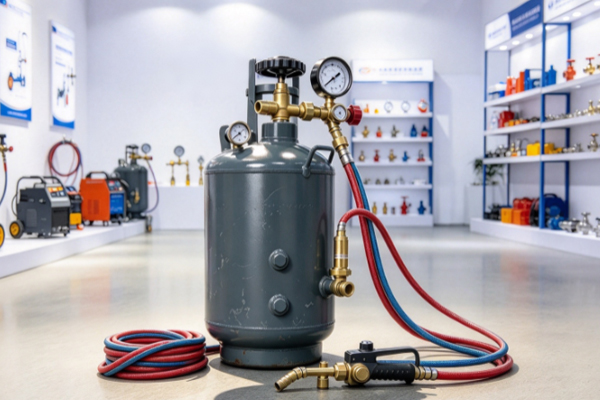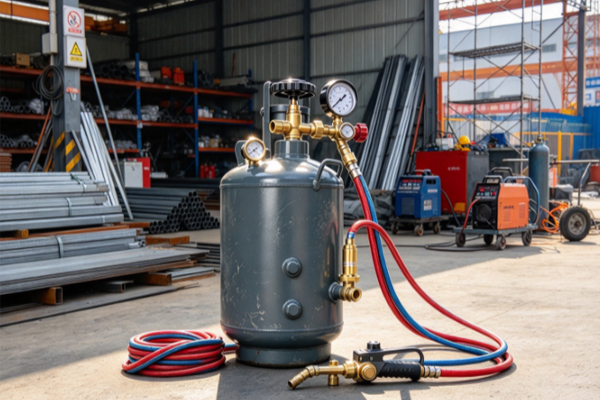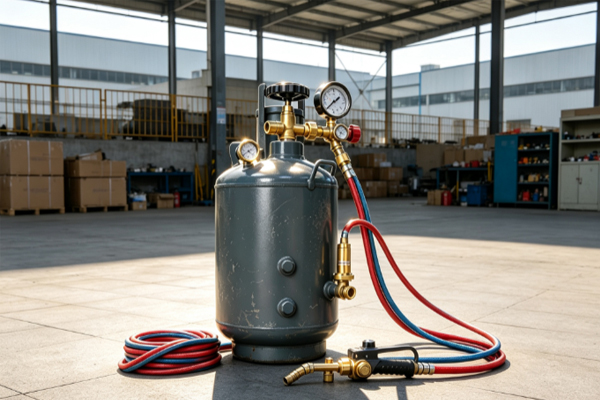
Acetylene cylinders are widely used in construction, steel structure fabrication, machinery manufacturing, hardware processing, automotive repair, and metal cutting and welding. They are indispensable gas supply equipment for the daily operations of many businesses. As market demand continues to evolve, buyers are paying increasing attention not only to the purchase price of acetylene cylinders but also to product costs and long-term operating expenses. Different cylinder specifications, manufacturing processes, and configurations all affect the final selling price. In addition, transportation, inspection, and after-sales service costs are also reflected in the overall procurement budget. Therefore, when evaluating the cost and pricing of acetylene cylinders in 2026, it is important to look beyond the purchase price and consider product quality, service life, safety performance, and maintenance costs in order to select the most suitable product for specific production needs while achieving a more cost-effective procurement plan.
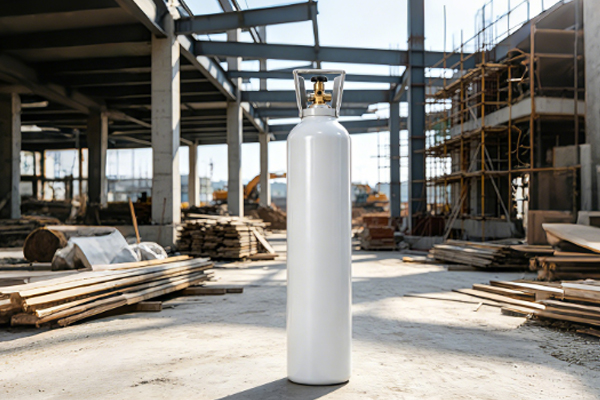
What Makes Up the Cost of an Acetylene Cylinder?
Raw Material Costs
Although an acetylene cylinder appears to have a relatively simple structure, every stage—from raw material procurement to finished product manufacturing—generates costs. Many users assume that the price of an acetylene cylinder is determined solely by the cost of steel, but in reality, the internal filler material, cylinder valve components, welding processes, and quality inspections all contribute to the overall manufacturing cost. To ensure product safety, manufacturers must complete every production step according to relevant standards. As a result, a reliable, high-quality acetylene cylinder consists of multiple cost components.
● Steel Costs
Acetylene cylinders are primarily manufactured from high-strength steel. Factors such as steel plate thickness, steel grade, and pressure resistance directly affect the overall production cost. High-quality steel offers superior compression strength and corrosion resistance, allowing the cylinder to maintain structural stability during long-term transportation, handling, and use while reducing the risk of deformation or damage. Although premium steel has a higher procurement cost, it significantly improves product quality and reduces future repair and replacement expenses, making it one of the key factors influencing the price of an acetylene cylinder.
● Internal Filler Material Costs
The interior of an acetylene cylinder must be filled with specialized porous material and an appropriate amount of solvent to safely store acetylene gas. These filling materials must comply with technical requirements and undergo strict processing to ensure a uniform and stable internal structure. High-quality filler materials improve storage safety and reduce the likelihood of operational issues over long-term use. Although users cannot normally see these materials, they account for a significant portion of the manufacturing cost.
● Valve and Accessory Costs
Cylinder valves, protective caps, bases, anti-vibration rings, and various safety accessories all influence the overall manufacturing cost of an acetylene cylinder. Although these components are relatively small, they directly affect sealing performance and operational safety. High-quality valves can effectively reduce the risk of gas leakage, provide smoother operation, and minimize maintenance caused by long-term wear. Therefore, many manufacturers choose more reliable components to ensure overall product quality.
Factors Affecting Acetylene Cylinder Pricing
The market offers a wide range of acetylene cylinders with different capacities, manufacturing processes, and inspection certifications, resulting in noticeable price differences. If purchasing decisions are based solely on price, buyers may overlook the actual performance and long-term value of the product. More advanced configurations, stricter manufacturing requirements, and better quality control generally result in higher prices. Therefore, procurement decisions should be based on actual working conditions and operational requirements rather than price alone.
● Different Capacity Specifications
Acetylene cylinders are available in various capacities to meet different application needs. Smaller cylinders are easier to transport and move, making them suitable for repair work, installations, and mobile construction projects. Larger cylinders store more gas, reduce replacement frequency, and improve continuous operation efficiency, resulting in higher manufacturing costs and selling prices. Businesses should choose the appropriate capacity according to daily gas consumption to avoid unnecessary waste caused by oversized or undersized cylinders.
● Different Manufacturing Processes
Advanced production technologies such as automated welding, CNC machining, overall heat treatment, anti-corrosion coating, and non-destructive testing increase manufacturing costs but significantly improve product consistency and durability. Higher manufacturing standards produce more stable weld quality, a better appearance, and more reliable overall safety performance. Consequently, products manufactured using advanced processes generally command higher market prices than those produced with conventional methods.
● Different Inspection and Certification Standards
Every acetylene cylinder must undergo pressure testing, leak testing, and quality inspection before leaving the factory. Some products also obtain additional certifications to meet the requirements of different markets. These inspections and certifications increase production investment. Although they raise the selling price, they provide buyers with greater confidence during procurement and use while simplifying equipment management.
The importance of long-term usage costs
When purchasing acetylene cylinders, businesses should consider not only the initial purchase price but also the total cost throughout the equipment’s service life. High-quality products require fewer repairs, provide more stable gas supply, and reduce the risk of production downtime. Compared with simply selecting the lowest-priced option, evaluating equipment lifespan, safety performance, and maintenance costs often delivers greater overall value. As a result, many companies develop procurement strategies based on long-term operating costs rather than comparing quotations alone.
Reliable acetylene cylinders reduce additional expenses associated with repairs, replacements, and production interruptions. Choosing low-cost products may result in higher operating costs due to lower-quality components, inadequate sealing performance, or more frequent maintenance requirements. For businesses that use acetylene equipment continuously, selecting products that are stable, safe, and durable often provides greater value than achieving short-term savings on the initial purchase price. A well-planned procurement budget not only improves construction efficiency but also reduces equipment management pressure, making future operations more convenient and cost-effective.
Frequently Asked Questions
Q: Why do acetylene cylinder prices vary so much in 2026?
A: Price differences are usually caused by factors such as steel quality, internal filler materials, manufacturing processes, inspection standards, product specifications, and after-sales service. Different configurations result in different production costs, so price variations among manufacturers are normal.
Q: Are large-capacity acetylene cylinders always more cost-effective?
A: For long-term continuous use, large-capacity cylinders reduce replacement frequency and improve work efficiency. However, for occasional construction or repair work, smaller cylinders have lower purchase costs and better match actual usage requirements. The appropriate size should be selected according to operating frequency.
Q: Is it sufficient to compare prices when purchasing?
A: It is recommended to compare product quality, manufacturer reputation, inspection reports, after-sales support, and component quality in addition to price. This provides a better understanding of the product’s actual value while reducing future maintenance costs.
How Can You Determine Whether an Acetylene Cylinder Is Reasonably Priced?
When evaluating whether an acetylene cylinder is worth purchasing, buyers should consider not only the selling price but also manufacturing quality, product configuration, after-sales support, and long-term operating costs. A comprehensive evaluation helps avoid increased maintenance expenses resulting from low-cost purchases while improving overall equipment efficiency.
When purchasing an acetylene cylinder, price should be regarded as only one reference factor. More importantly, buyers should understand the manufacturing quality and long-term value behind the product. Differences in raw materials, production technology, inspection procedures, and after-sales service all affect manufacturing costs, making price variations across the market entirely normal. Purchasing decisions should be based on usage frequency, working environment, budget planning, and transportation costs instead of focusing on a single quotation.
A reasonably priced acetylene cylinder should provide stable manufacturing quality, reliable sealing performance, standardized inspection procedures, and comprehensive after-sales support. These features help reduce future maintenance costs and improve operational efficiency. During procurement, understanding product configurations, comparing product quality, and evaluating long-term operating costs often provide more meaningful guidance than simply pursuing the lowest price. Effectively controlling procurement costs while ensuring operational safety is equally important. Only by balancing quality, price, and service can businesses achieve the greatest overall purchasing value.