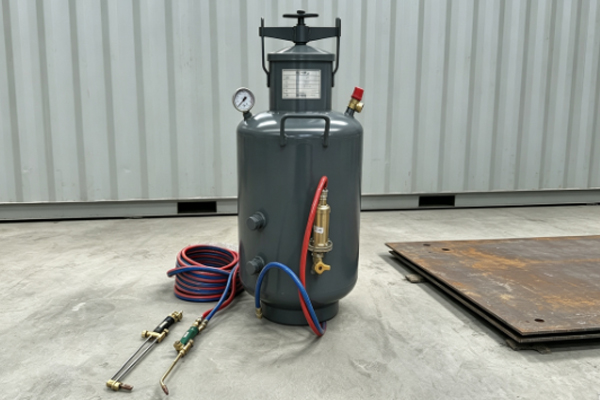
For factories that rely on acetylene over the long term, choosing a gas supply system is not just about getting equipment on-site. It also affects production schedules and ongoing operating costs. Some factories prefer renting acetylene tanks when setting up a new production line because it reduces the initial investment. Others choose to purchase their own equipment to avoid recurring rental fees. Both options can meet production needs, but the total costs may differ considerably after one or two years of use. For factories that consume acetylene every day, equipment reliability and long-term maintenance also deserve careful consideration.
What Costs Are Usually Included in Acetylene Tank Rentals?
Renting an acetylene tank means a factory does not have to pay the full equipment purchase price upfront. This can be convenient for newly established production facilities or businesses that want to keep more working capital available. However, rental costs usually involve more than a monthly equipment fee. Transportation, installation, maintenance, and rental periods may also be included in the agreement.
Before signing a rental contract, it is worth checking the following expenses:
- Equipment rental: Charged monthly, quarterly, or according to the contract period.
- Transportation: Delivery to the factory and later relocation may involve additional fees.
- Installation: Costs depend on the site preparation and installation work required.
- Maintenance responsibilities: Confirm which party handles routine maintenance and equipment repairs.
- Security deposit: Some rental agreements require an upfront deposit.
For temporary projects, renting can help reduce the initial financial burden. However, factories planning to operate continuously for several years may find that recurring monthly payments add up to a considerable amount.
What Are the Long-Term Benefits of Buying an Acetylene Tank?
Purchasing an acetylene tank requires a larger initial investment, but the equipment belongs to the factory. There is no need to keep paying rental fees, and the factory can arrange equipment use according to its own production schedule without worrying about short-term rental agreements or return deadlines.
Some practical advantages of purchasing include:
- Flexible usage: No restrictions caused by short-term rental contracts.
- Fewer recurring expenses: Avoid repeated rental payments during long-term operation.
- Greater control: Plan gas supply around actual production requirements.
- Easier equipment management: The factory can manage equipment documents and maintenance records internally.
Of course, purchasing equipment also involves installation, maintenance, regulatory inspections, and supporting facilities. If acetylene consumption is irregular, the equipment may remain unused for extended periods. It is better to estimate production needs over the next few years rather than making a decision based only on current gas consumption.
How Much Can You Save by Renting or Buying an Acetylene Tank Over Several Years?
To determine which option offers better value, comparing the monthly rental fee with the equipment purchase price is not enough. A more practical approach is to calculate the total expenses over the expected service period. Rental costs may include accumulated rental payments, transportation, and contract-related charges. Purchasing costs include the equipment price, installation, maintenance, and future inspection expenses.
Consider a simple example: suppose an acetylene equipment system costs $20,000 to purchase, while the monthly rental fee is $800. Over 24 months, the total rental payments would reach $19,200. This calculation does not include transportation, maintenance, or other contractual charges, and these figures are only for illustration rather than actual market quotations. With a purchase, maintenance expenses and the equipment’s service life must also be considered. The purchase price alone does not represent the full cost of ownership.
For factories expecting stable gas consumption over many years, purchasing equipment is usually worth comparing carefully. For short-term production or temporary projects, renting may offer greater flexibility.
Should Factories with High Long-Term Acetylene Consumption Consider Mobile Acetylene Generators?
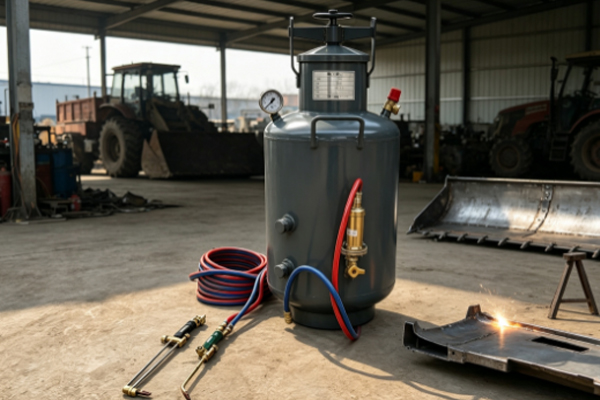
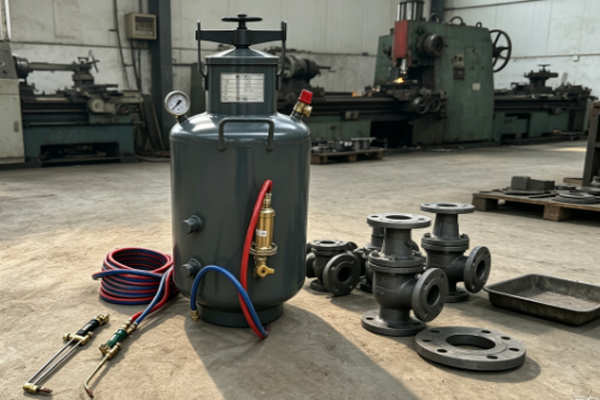
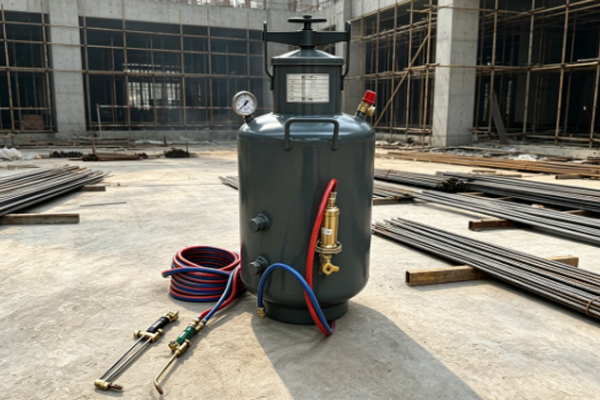
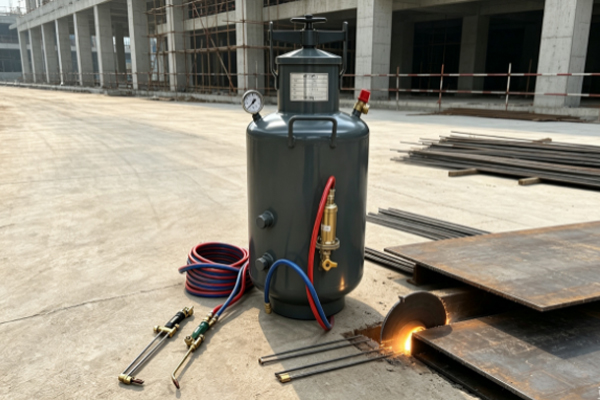
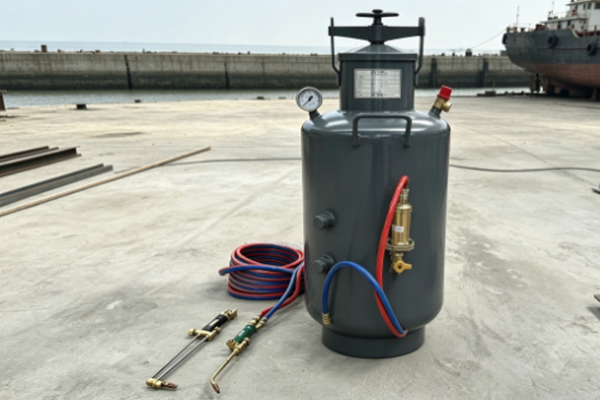
If a factory needs large quantities of acetylene every day and there is no convenient local filling station, simply renting or purchasing storage tanks may not solve all its gas supply and transportation challenges. A mobile acetylene generator produces acetylene on-site through a chemical reaction between calcium carbide and water, reducing dependence on externally supplied gas.
The equipment adjusts the reaction according to internal pressure changes. When pressure rises, water moves into a separate storage tank and away from the calcium carbide, stopping the reaction. As acetylene is consumed and pressure drops, water returns to the reaction chamber, allowing gas production to continue.
Under suitable conditions, such as continuous long-term consumption, a stable calcium carbide supply, and reasonable equipment investment, a mobile acetylene generator may reduce overall operating costs by approximately 40%–60%. Actual savings depend on the working conditions and require a cost calculation based on the factory’s situation. For short-term projects with low gas consumption and convenient local gas supplies, conventional acetylene storage tanks may still be a practical choice.
The right decision between renting and purchasing an acetylene tank depends on the expected equipment usage period, daily acetylene consumption, and local gas supply conditions. We provide acetylene tanks in different specifications as well as mobile acetylene generators, with equipment recommendations based on factory production requirements and site conditions. If your factory is planning a new production line or expanding its gas consumption, feel free to contact us to discuss your equipment needs and find a long-term gas supply solution that fits your production budget.