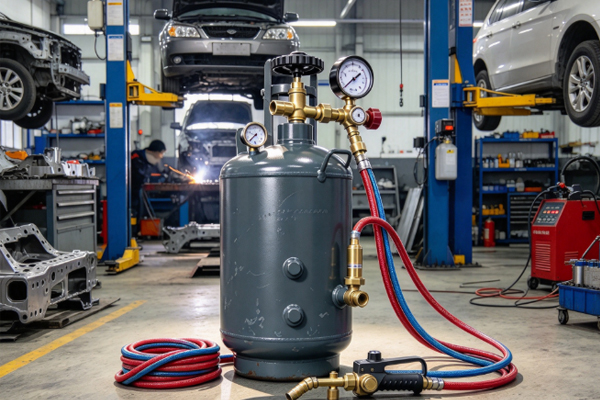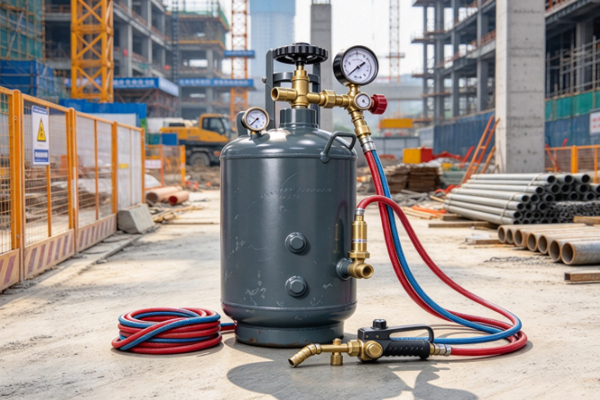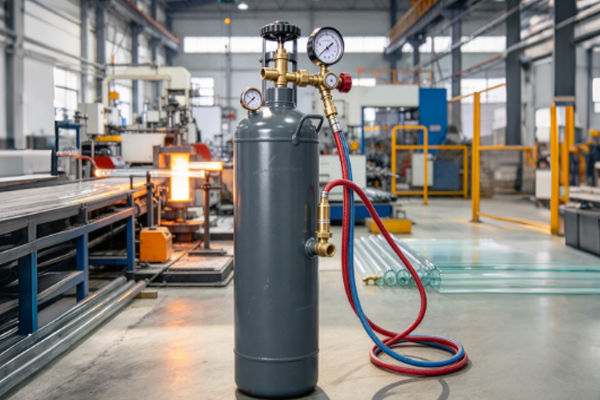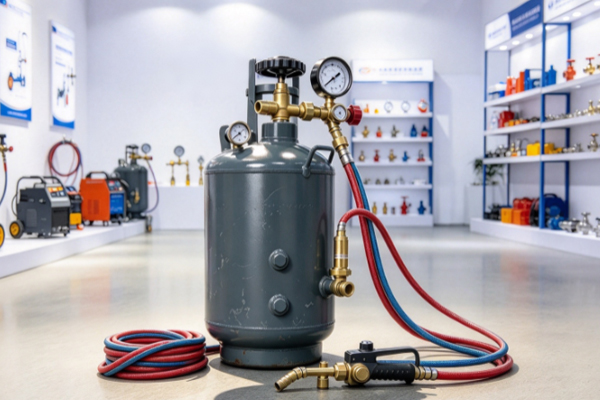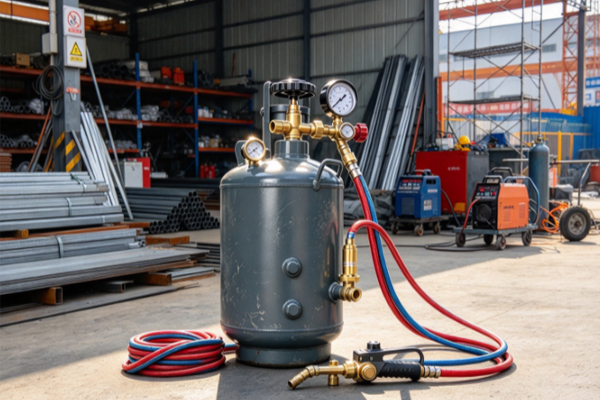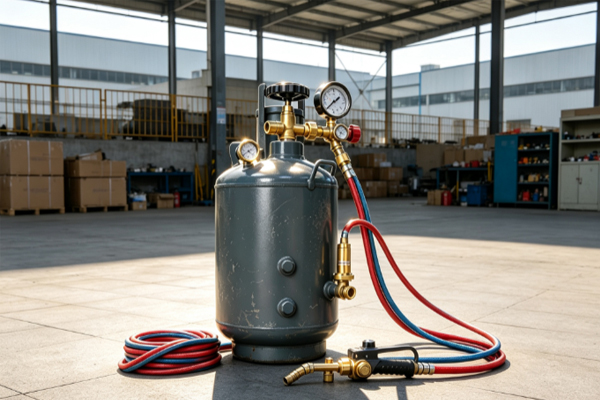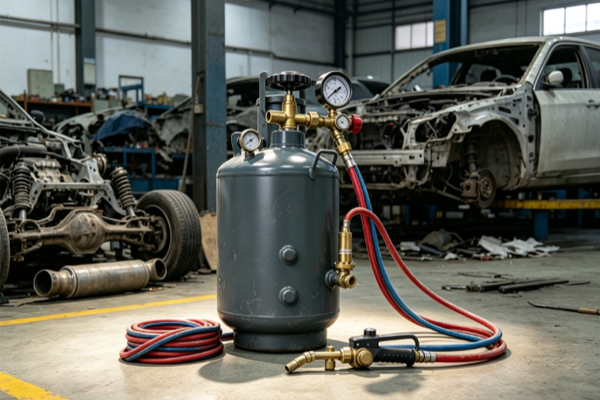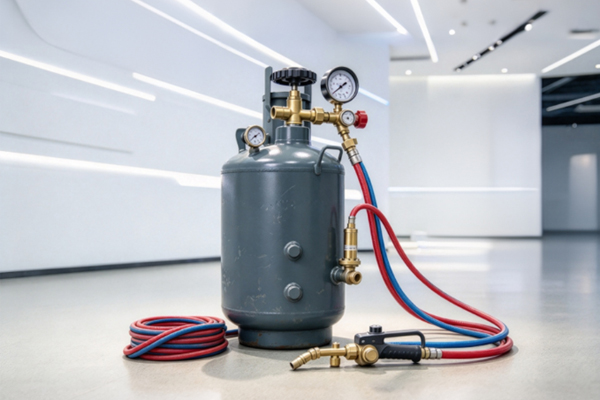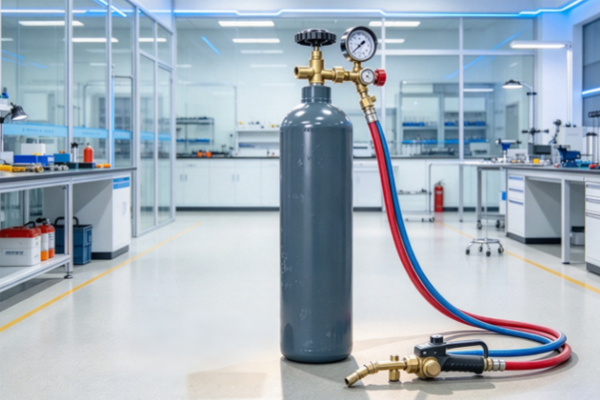
The acetylene generator is a key piece of equipment used in industrial gas welding and cutting processes. Its installation directly affects operational stability and safety. Learning through installation step videos provides a clearer understanding of the device structure, connection methods, and operating logic, helping reduce operational errors. A properly standardized installation improves efficiency while reducing risks such as gas leakage and operational hazards, ensuring a more reliable production process.
Pre-installation Preparation and Site Inspection
Before starting the actual installation, a complete inspection of the site environment and equipment condition is essential to ensure a smooth process.
Equipment Model and Accessory Verification
Before installation, it is necessary to confirm that the acetylene generator model matches all supporting components to avoid incompatibility issues.
- Check whether the main unit, gas storage components, and connecting parts are complete
- Inspect sealing rings, valves, and safety components for integrity
- Ensure the instruction manual and installation drawings match the equipment version
After verification, the installation process can proceed without interruptions caused by missing parts.
Site Conditions and Ventilation Requirements
The installation environment has strict requirements, especially regarding ventilation and spatial layout.
- The installation area must have good airflow
- Keep away from open flames and high-temperature equipment
- Ensure the ground is level and capable of bearing the load
Once these conditions are met, the site is ready for installation.
Foundation Setup and Position Fixing
Equipment stability directly affects operational safety, so fixation must follow strict standards.
Base Support Structure Construction
A stable support structure is required to handle vibration and pressure changes during operation.
- Use concrete or metal supports as the base
- Ensure the level deviation is within acceptable limits
- Add vibration-damping pads to reduce operational impact
A stable foundation significantly reduces movement risks during operation.
Main Unit Fixing and Level Adjustment
After installing the main unit, fine adjustments are required to ensure balance.
- Use a spirit level to calibrate the equipment angle
- Tighten fixing bolts evenly
- Check for tilt or instability
Once adjusted, the system can proceed to pipeline connection.
Pipeline Connection and Sealing Treatment
The pipeline system is a critical channel for acetylene flow, and its sealing performance is essential for safety.
Inlet and Outlet Pipeline Installation
Pipeline connections must strictly follow gas flow direction.
- Connect inlet and outlet ports according to markings
- Use pressure-resistant hoses or metal pipes
- Avoid excessive bending or stretching of pipelines
Correct installation ensures stable gas transmission.
Sealing and Leak Detection
Sealing is essential to prevent acetylene leakage and must be carefully checked.
- Reinforce joints with sealing materials
- Use soapy water to detect small leaks
- Retighten any leaking connections immediately
After inspection, system safety is significantly improved.
Safety Devices and Monitoring System Setup
As a high-risk device, safety configuration is critical for acetylene generators.
Safety Valve and Pressure Control Installation
Safety devices help prevent overpressure conditions.
- Install standard pressure relief valves
- Set appropriate pressure limits
- Regularly calibrate pressure control accuracy
Proper configuration reduces operational risks.
Alarm and Monitoring System Calibration
Monitoring systems provide real-time equipment status feedback.
- Install gas concentration sensors
- Configure pressure and temperature sensors
- Set up alarm linkage mechanisms
Once functional, the system enables real-time safety management.
Testing and Operational Inspection
After installation, system testing is required to ensure stable performance.
No-load Operation Test
No-load testing verifies basic operational stability.
- Start the system and observe operation
- Check for abnormal vibrations
- Confirm no leakage in pipelines
If stable, proceed to load testing.
Load Operation and Parameter Adjustment
Load testing simulates real working conditions.
- Gradually increase operational load
- Monitor gas generation efficiency
- Adjust pressure and flow parameters
After testing, the system is ready for formal operation.
The installation process of an acetylene generator includes preparation, foundation fixing, pipeline connection, safety configuration, and system testing. Each step plays an important role in overall performance and safety. Installation step videos help users better understand procedures and technical details, making the process more standardized and efficient. Proper installation significantly improves stability and reduces operational risks, ensuring reliable support for industrial production.