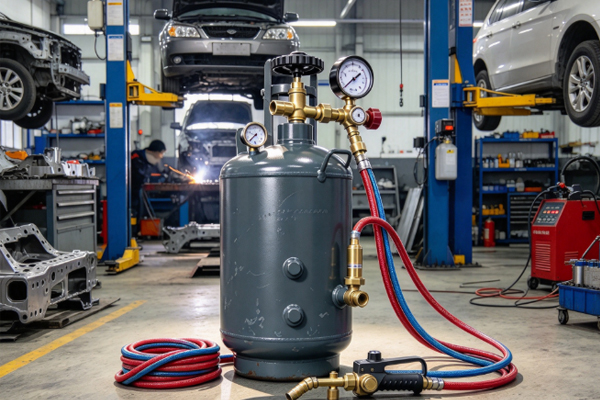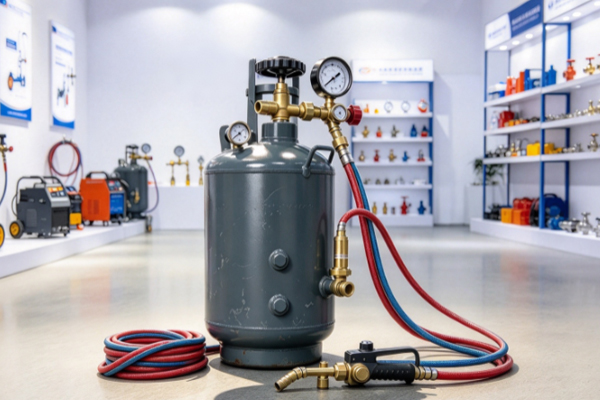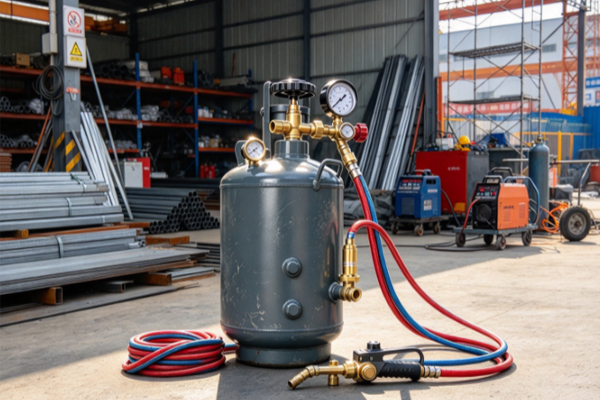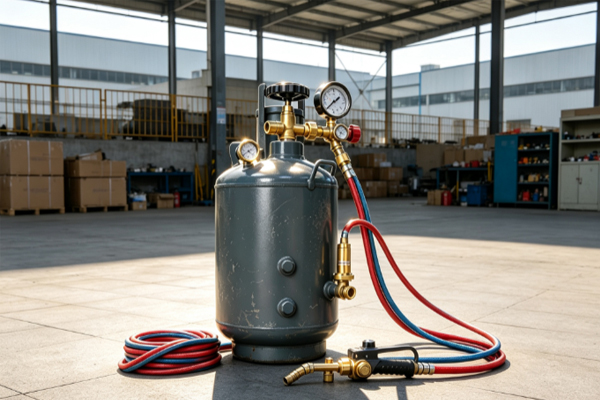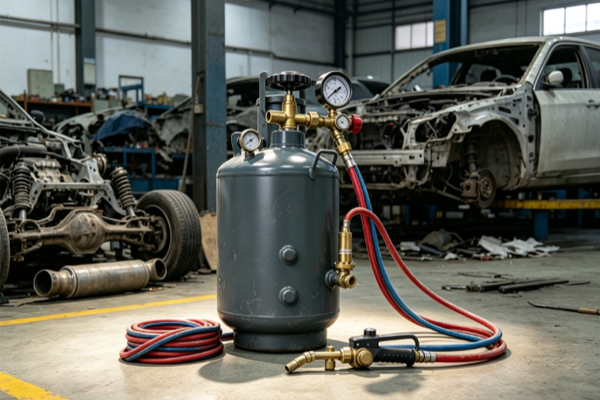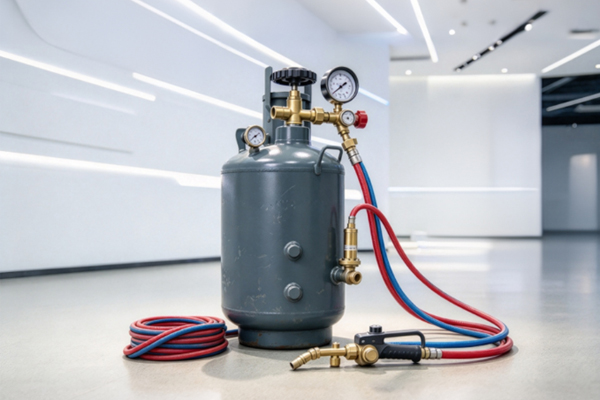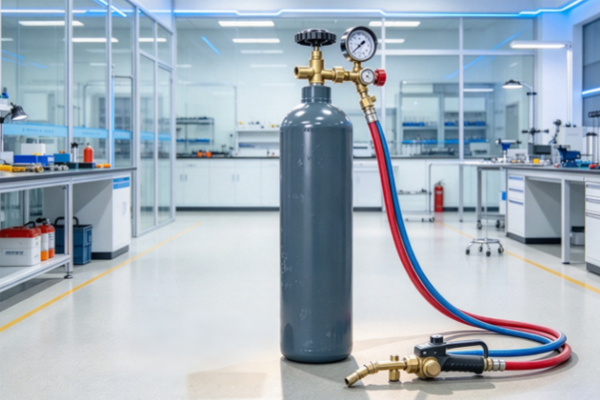
The acetylene generator is a key piece of equipment in gas welding and cutting systems. It consists of multiple precision components, each directly affecting gas production efficiency and operational safety. Through detailed component introduction videos, users can clearly understand the internal structure, functional distribution, and operating logic of the equipment, which helps improve selection decisions and maintenance capability. In industrial applications, a clearer understanding of the structure leads to more stable and reliable operation.
Working Principle and Overall Structural Logic
The core operation of an acetylene generator is based on the chemical reaction between calcium carbide and water to produce acetylene gas. Inside the system, different functional sections handle reaction control, gas separation, and pressure regulation. The reaction chamber is responsible for gas generation, while the water control system adjusts the reaction speed to prevent unstable pressure fluctuations. The generated gas then passes through purification and delivery channels, where impurities are filtered and pressure is stabilized before output. The entire structure is designed for continuity and stability, ensuring uniform gas output and preventing contamination of downstream systems.
Equipment Value and Practical Significance
Acetylene generators play an important role in metal processing industries, especially in welding, cutting, and repair operations. Compared with external gas supply systems, acetylene generators can produce gas directly on-site, reducing transportation and storage requirements. A stable gas supply improves operational continuity and ensures a consistent welding flame, which enhances processing quality. In long-term use, proper operation can also reduce gas waste, making overall operating costs more manageable. In mobile or temporary construction environments, the flexibility of this equipment is particularly valuable.
Core Component Structure and Functional Explanation
An acetylene generator is composed of multiple key components, each serving a specific function. Video demonstrations make it easier to understand their structural relationships and roles.
Reaction System and Feeding Structure Description
The reaction system is the core area where acetylene is generated, and its design directly affects efficiency and stability.
- The carbide feeding device controls the input rate of raw materials to prevent overly rapid reactions
- The reaction chamber is made of pressure-resistant and corrosion-resistant materials for long-term stability
- The water level control system maintains a consistent reaction environment for steady gas generation
- The residue discharge structure removes solid by-products to prevent blockage
These components together ensure a controlled and stable gas generation process.
Safety Protection and Control System Description
The safety system ensures stable operation even under abnormal conditions.
- The flashback arrestor blocks reverse flame propagation
- The pressure regulating valve keeps internal pressure within a safe range
- The relief system automatically releases excess pressure during abnormal conditions
- The monitoring module provides real-time operational data and triggers alarms
These safety elements form a multi-layer protection system that enhances operational reliability.
Typical Application Scenarios and Usage Methods
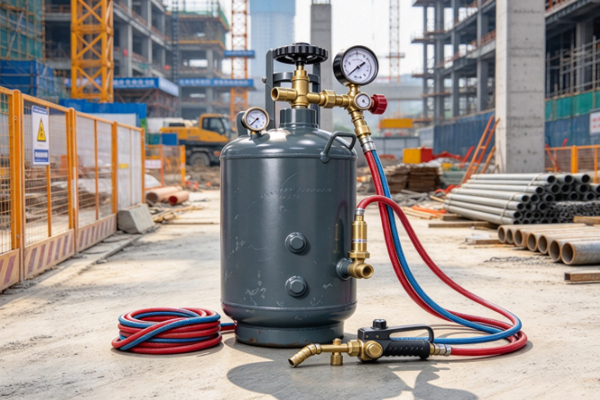
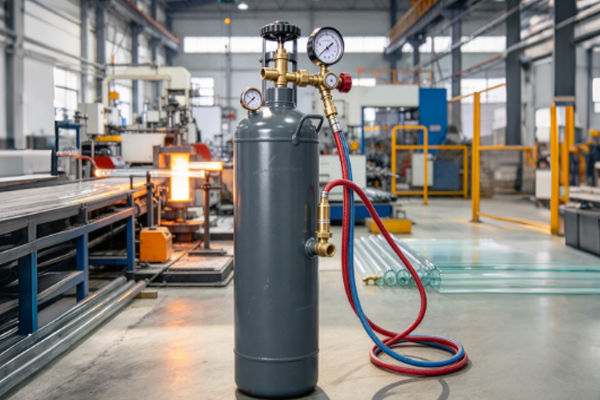
Acetylene generators are widely used in the metalworking industry, providing a stable gas source in different working environments. In large steel structure welding, the equipment ensures continuous high-temperature flame output for consistent welding quality. In mechanical repair and on-site construction, it can be quickly started and adapted to temporary operations. In small workshops, with proper pipeline configuration, it can supply multiple workstations simultaneously, improving overall productivity. Although application environments differ, the core operating principle remains the same.
Operation Procedures and Maintenance Management Key Points
Proper operation and systematic maintenance are essential for ensuring long-term stable performance of an acetylene generator. The equipment involves multiple stages such as gas generation, pressure control, and safety monitoring. Each stage must be strictly managed to ensure system safety. Learning through instructional videos helps users clearly understand key operational points and reduces risks caused by incorrect handling.
Pre-start Inspection and Preparation
Before starting the equipment, all critical conditions must be checked to ensure readiness.
- Check whether the water level is within the standard range to avoid abnormal reactions
- Confirm that the carbide feeding system is not blocked or jammed
- Inspect all sealing joints to ensure tight connections and prevent gas leakage
- Verify that pressure gauges and safety valves are functioning properly
- Ensure that the exhaust channel is unobstructed to avoid pressure buildup
After completing these checks, the system enters a ready-to-operate state, significantly reducing operational risks.
Operational Control and Monitoring During Running
During operation, continuous monitoring is required to maintain stable gas output.
- Control feeding speed to maintain a balanced reaction rate
- Observe pressure changes to prevent abnormal fluctuations
- Regularly check whether gas output remains stable
- Monitor temperature changes to avoid overheating issues
- Adjust water level and reaction intensity according to demand
The main focus during operation is stability, as fluctuations may affect gas quality and system safety.
Daily Maintenance and Periodic Servicing
Long-term operation leads to residue buildup and wear, requiring regular maintenance.
- Clean the reaction chamber to remove accumulated residues
- Inspect sealing rings for aging and replace worn parts
- Flush pipeline systems to ensure smooth gas flow
- Calibrate pressure valves and safety devices for proper sensitivity
- Check the water circulation system for blockages or deposits
Proper maintenance helps extend equipment lifespan and maintain stable output performance.
Abnormal Condition Handling and Adjustment Methods
During long-term use, some operational issues may occur and should be addressed promptly.
- If gas output becomes unstable, check whether the feeding system is uneven
- If pressure rises abnormally, inspect the relief system immediately
- If minor leakage occurs, retighten joints and reinforce sealing
- If reaction speed is too fast, adjust the water ratio to control intensity
Timely adjustments prevent minor issues from developing into serious failures.
Long-term Operation Management and Safety Habits
Stable long-term operation depends on standardized management and disciplined working habits.
- Establish regular inspection records to track equipment condition changes
- Maintain good ventilation in the operating area to reduce gas accumulation risks
- Avoid overload operation to extend component lifespan
- Perform basic cleaning after each shutdown to keep internal systems clean
Consistent adherence to these practices significantly improves reliability and safety.
An acetylene generator consists of multiple critical components that play essential roles in reaction, control, and safety systems. Through detailed component introduction videos, users can gain a clearer understanding of its structure and operating logic. In practical applications, standardized operation and continuous maintenance significantly enhance stability and extend service life, enabling the equipment to perform reliably in industrial production environments.